
Last updated August 28, 2026
Free in-home measure and quote - PGT, CGI and CWS impact lines compared on your actual openings, style by style
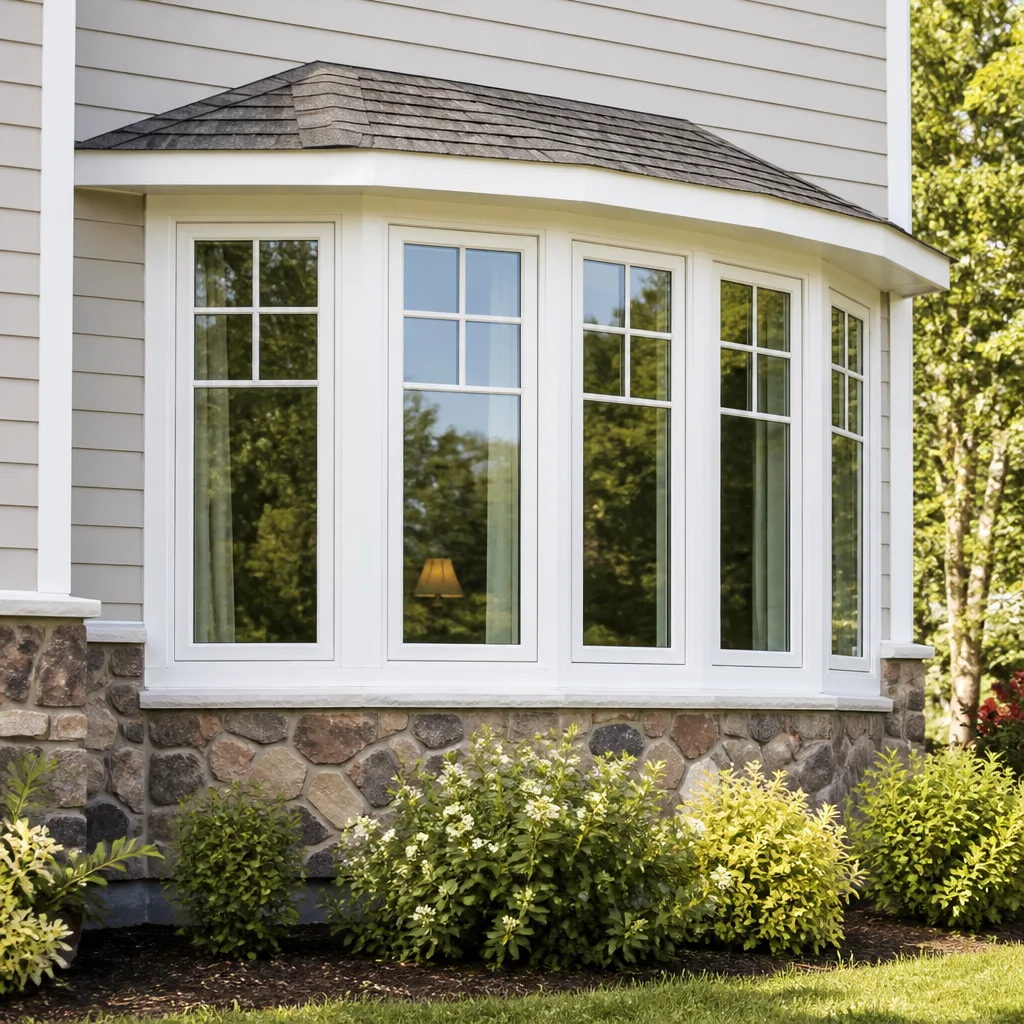
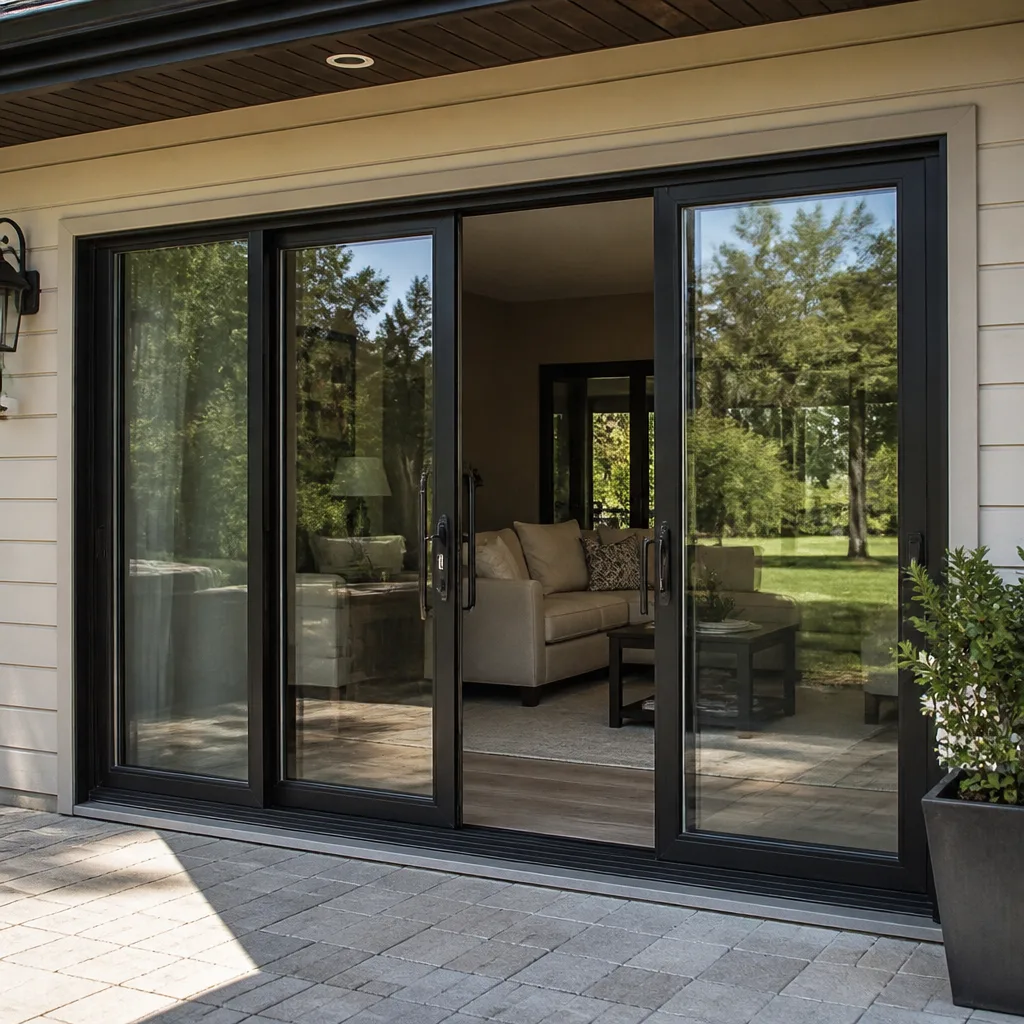
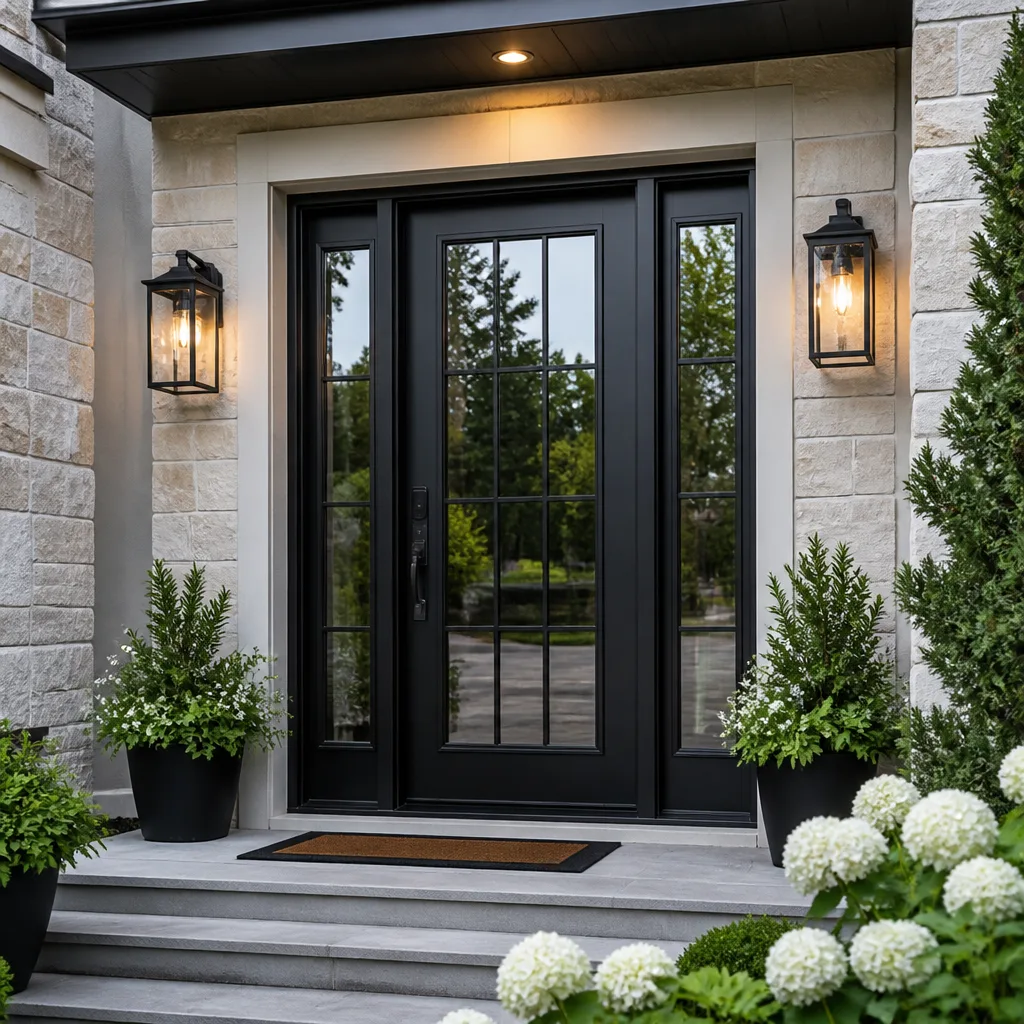
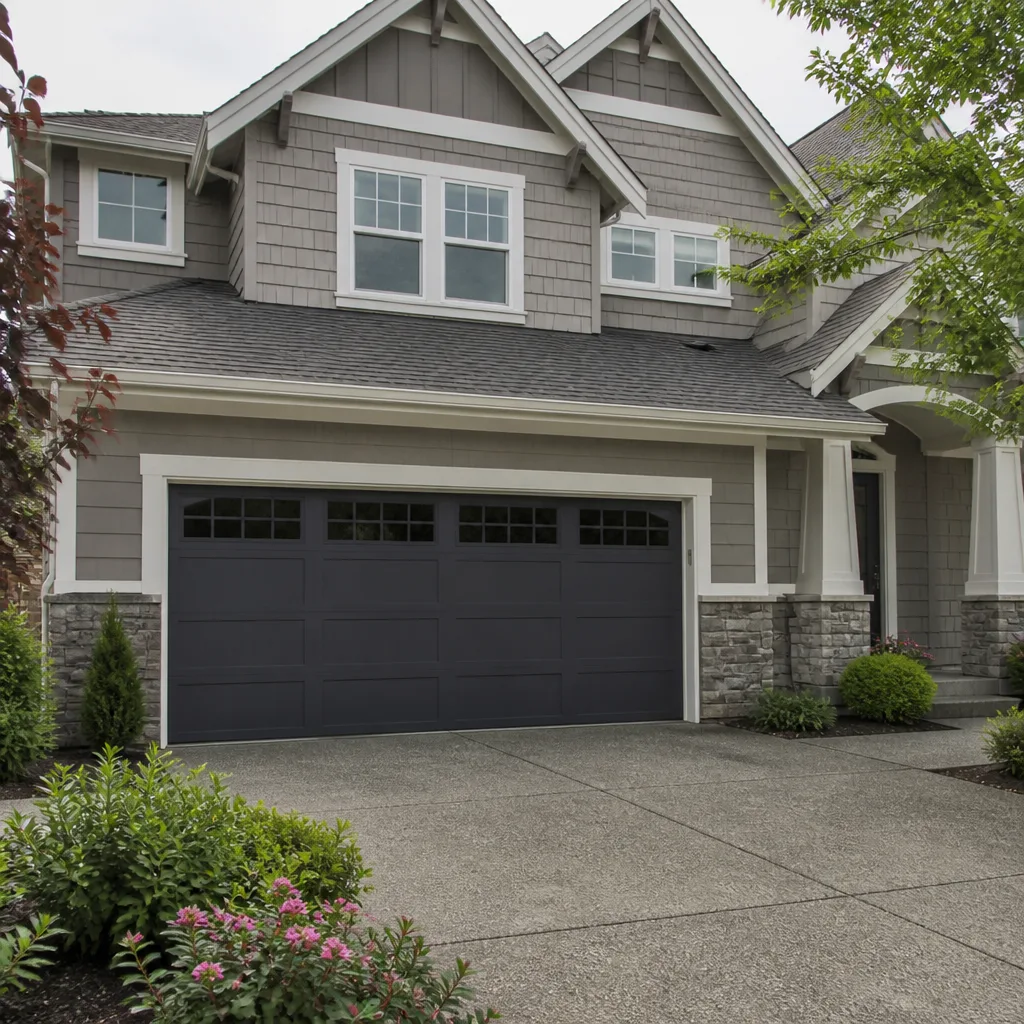
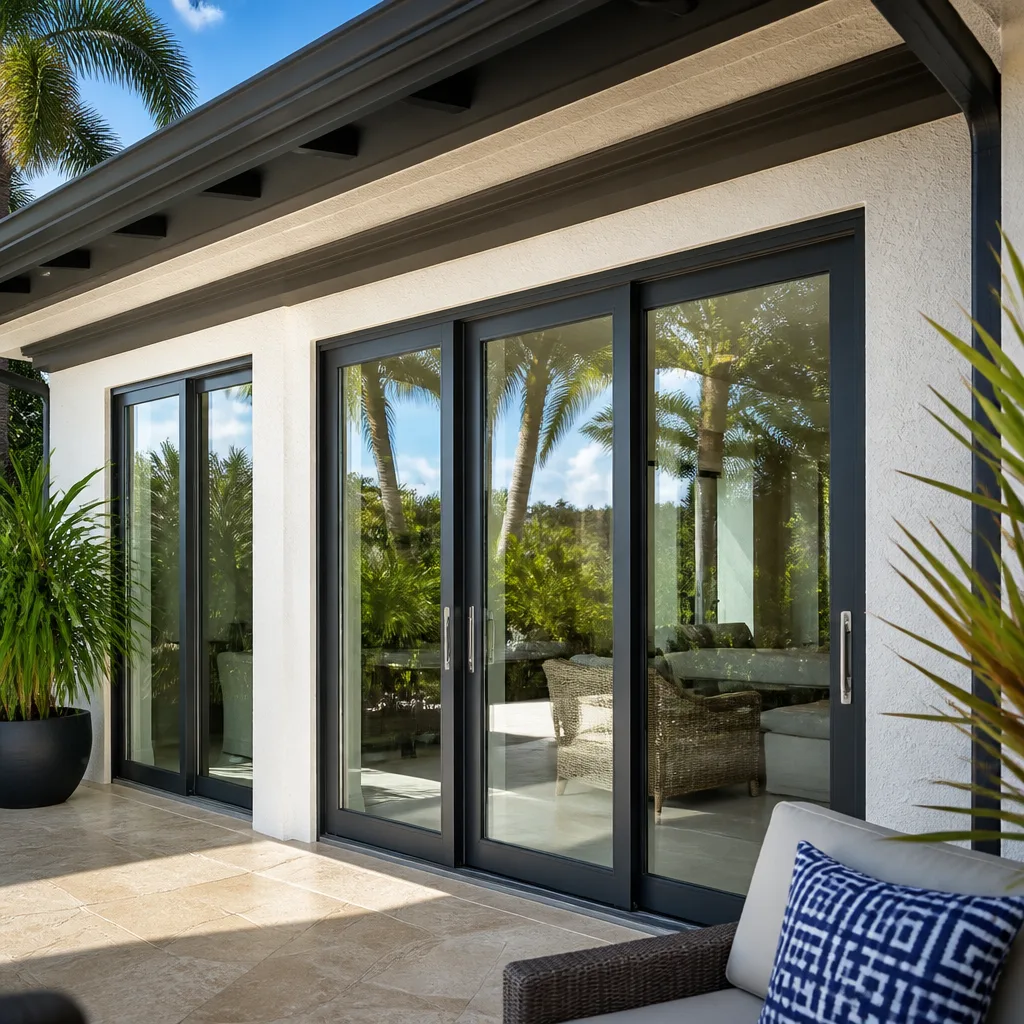
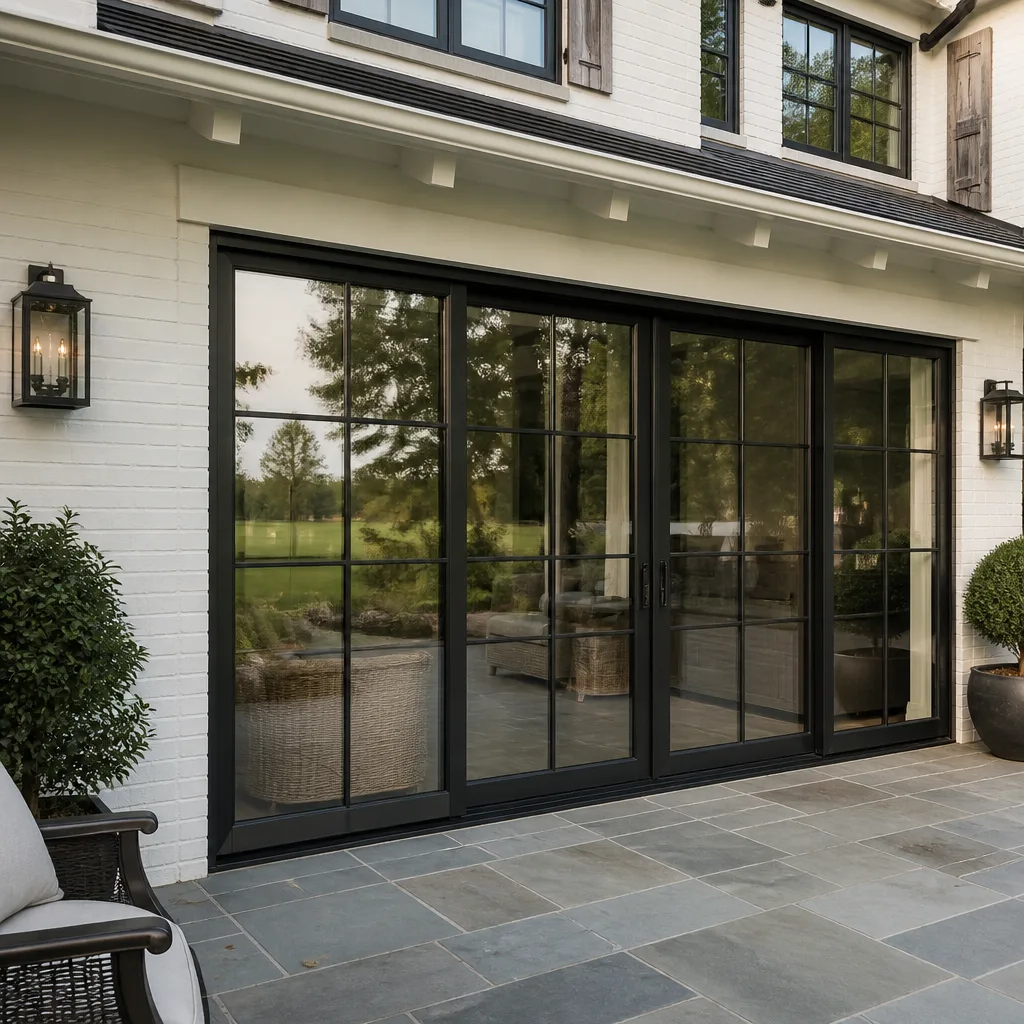
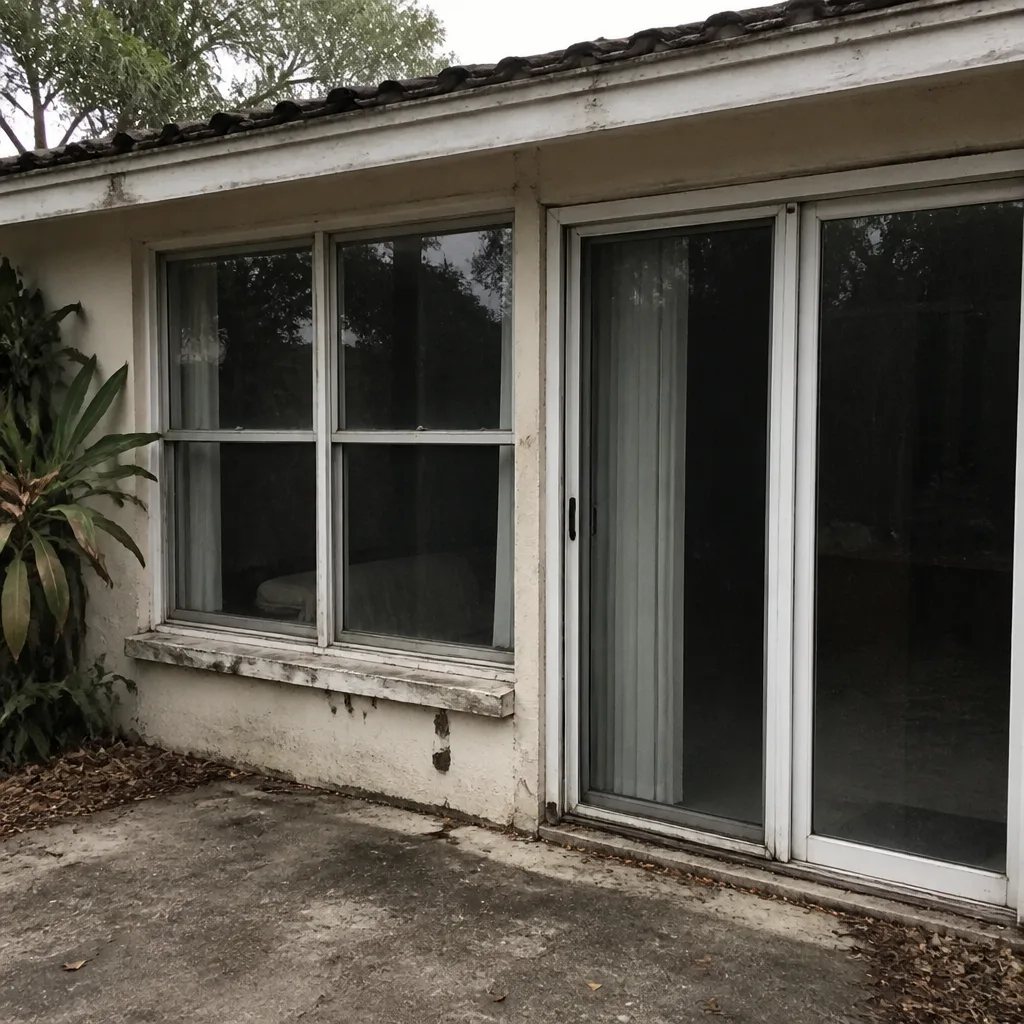 Before
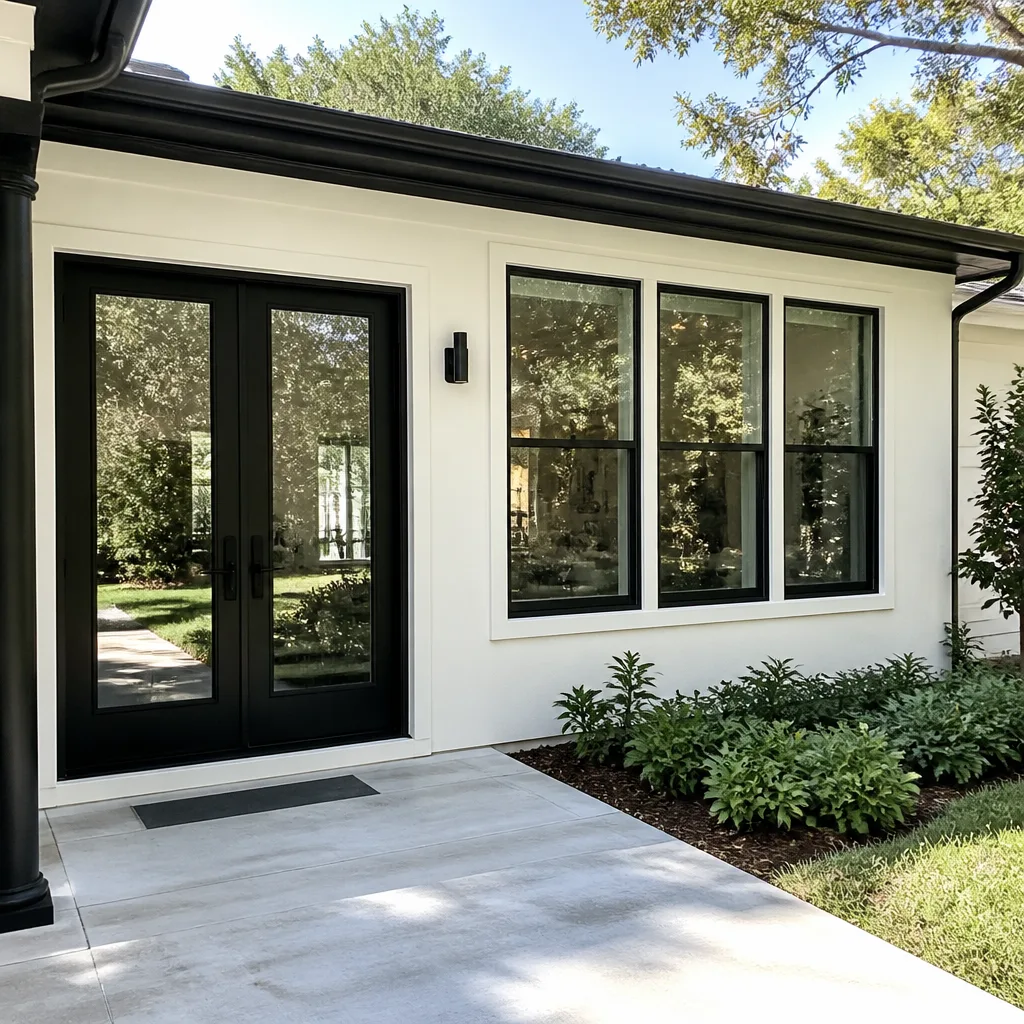 After
After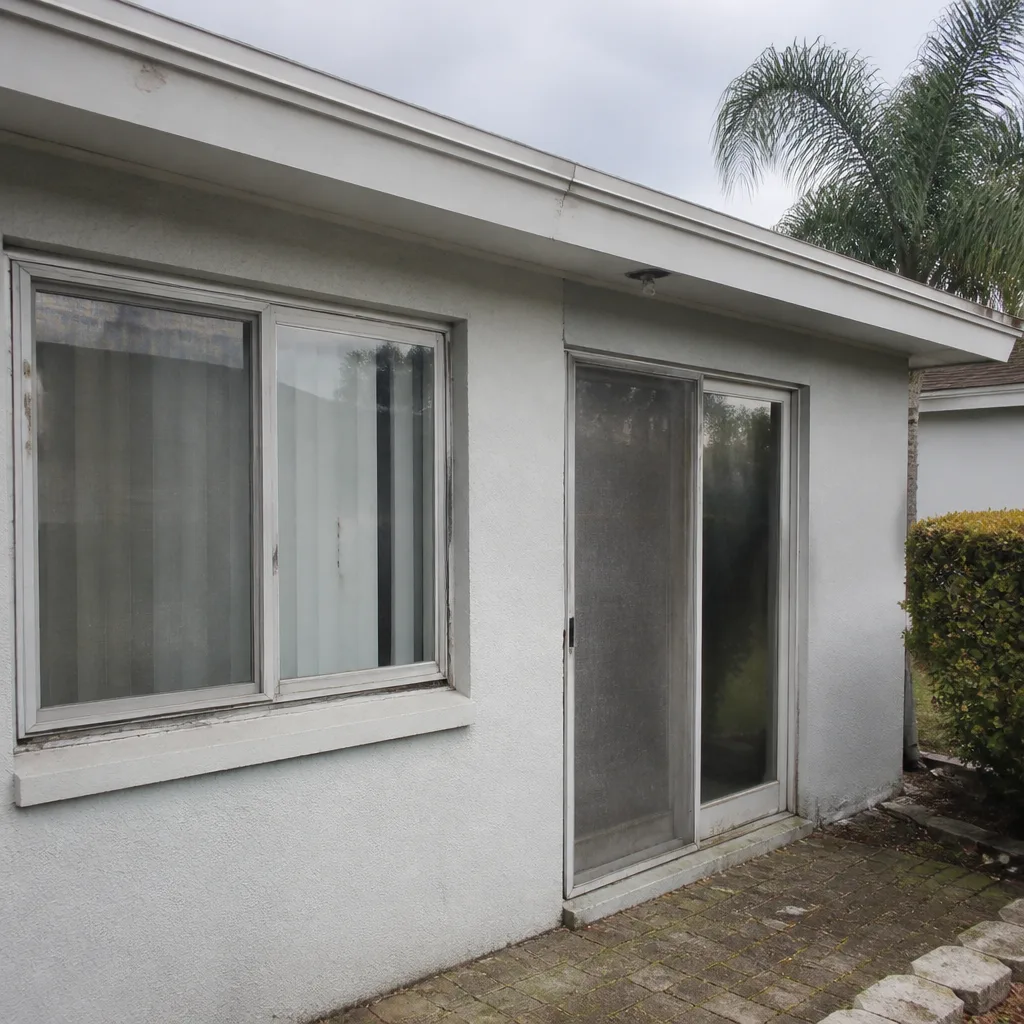 Before
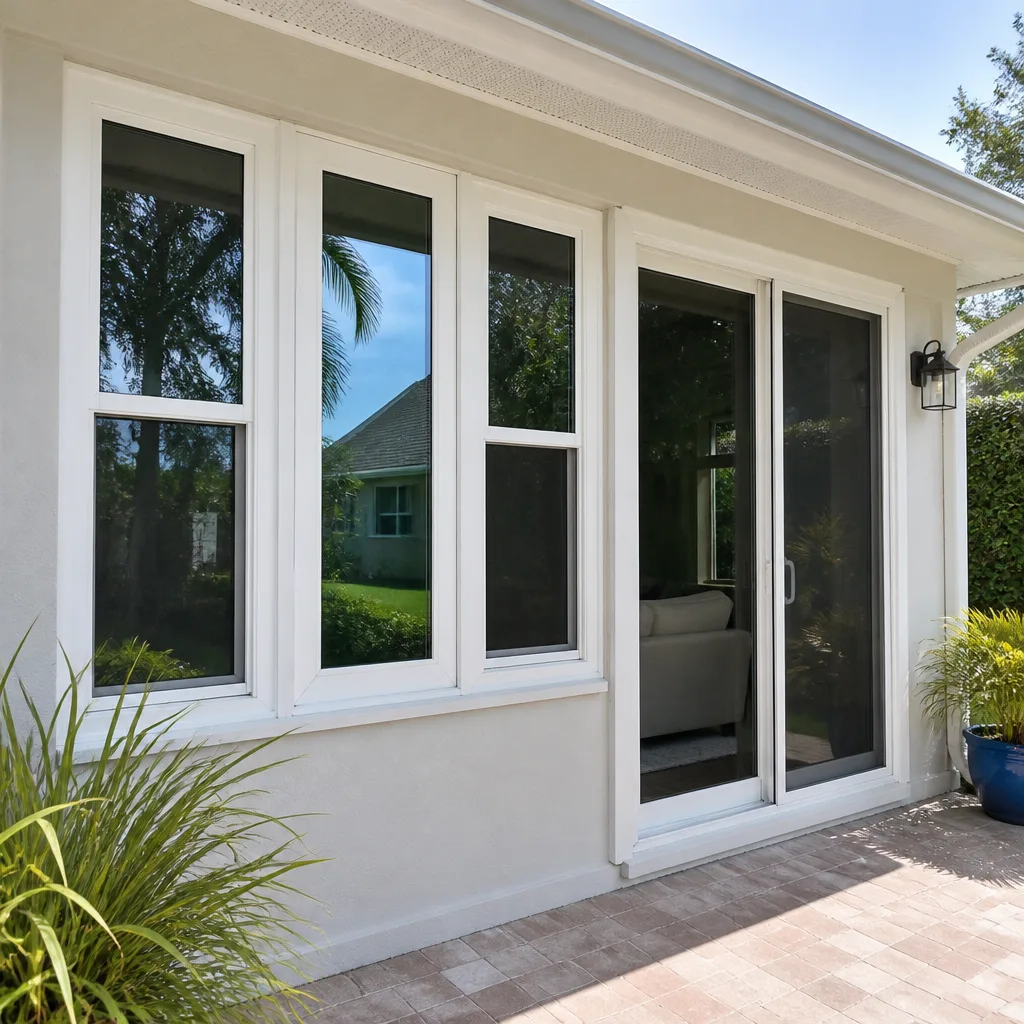 After
After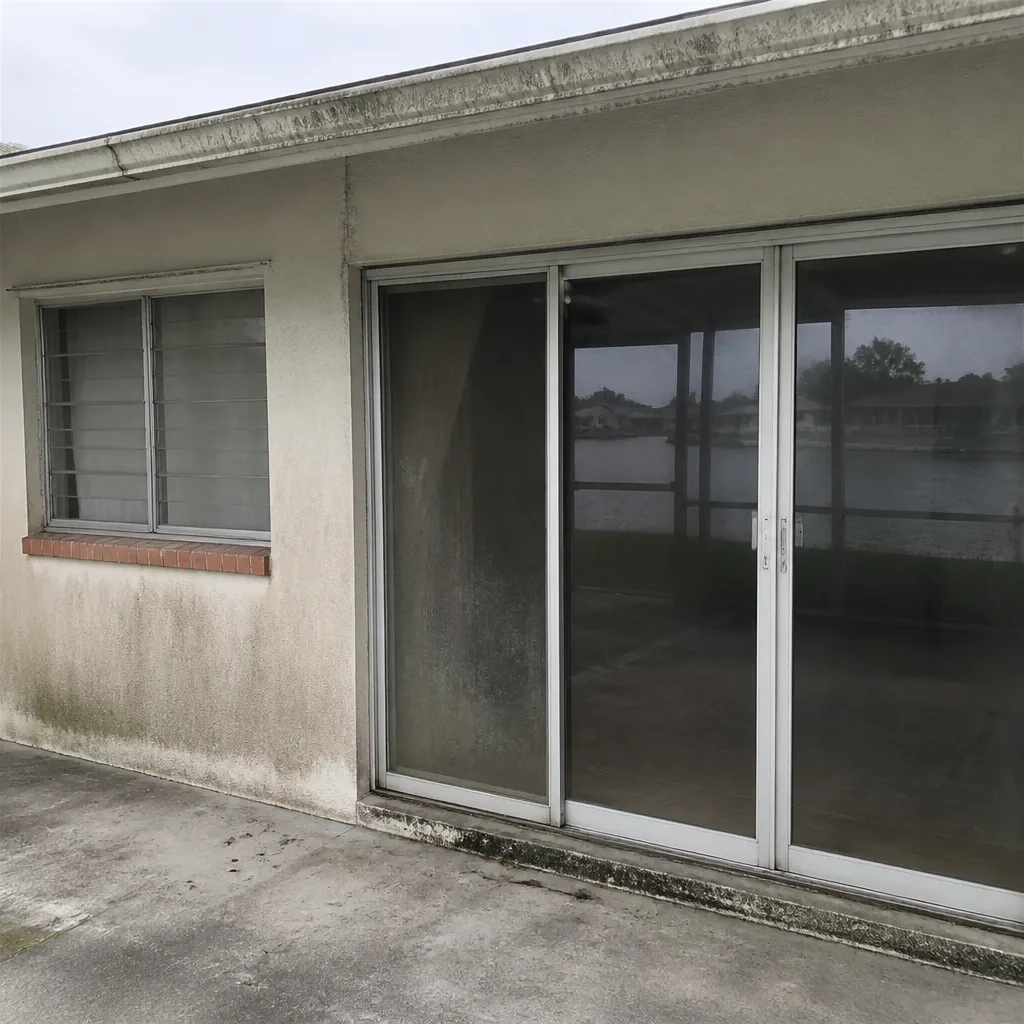 Before
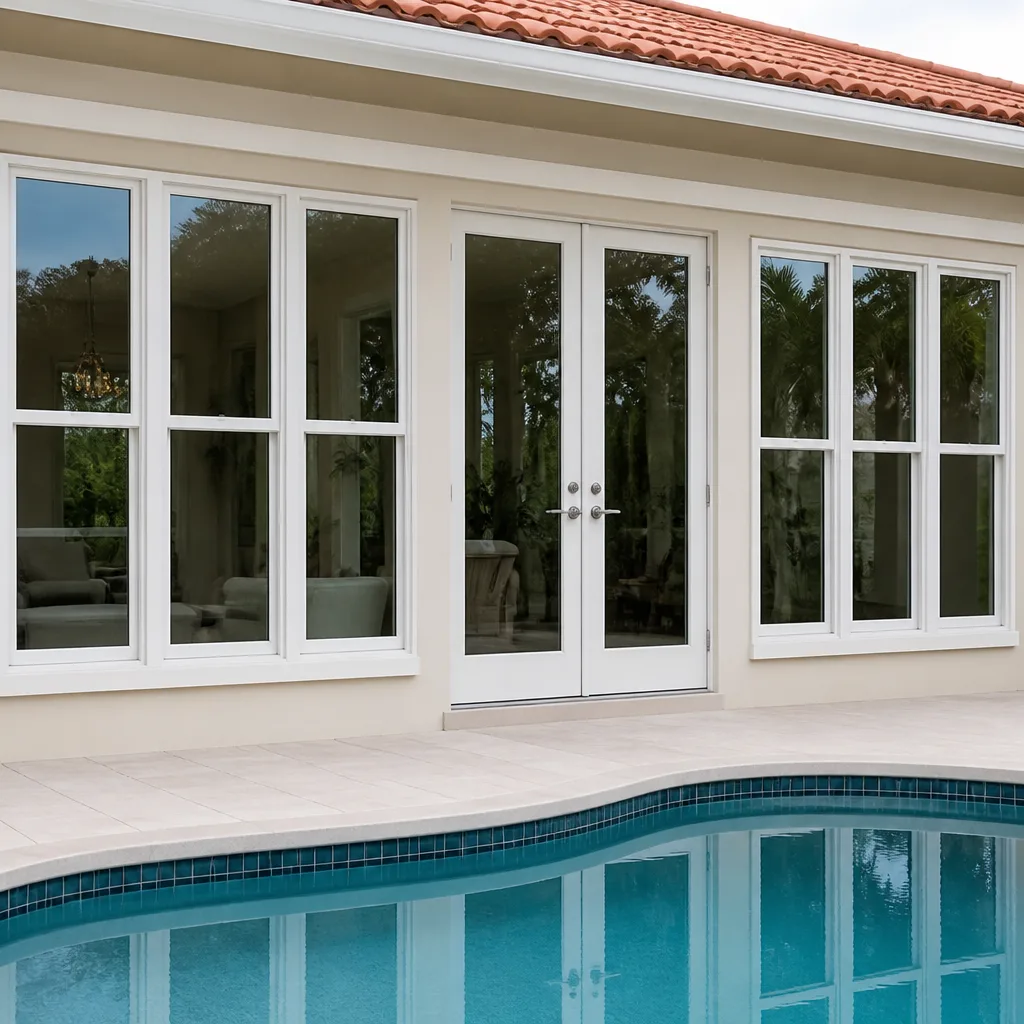 After
AfterDIY vs Professional Windows & Doors: The Sarasota Homeowner’s Decision Guide
Florida is one of the few states where a homeowner can legally pull an owner-builder permit to replace their own windows. Here is what almost nobody reads before signing that permit application: when you sign as an owner-builder in Sarasota County, you are legally attesting that you will occupy the home and that you understand Florida Statute 489.103(7) limits your ability to sell the home for one year after the work is done. And the moment you pull that permit yourself, most manufacturer warranties require installation by a certified installer, which you are not. This guide lays out the real decision matrix for Sarasota homeowners: what the permit actually obligates you to, which tasks you can safely handle without touching the permit process, where warranties die on the vine when you self-install, and what professional installation genuinely costs versus what it prevents. If you live in Sarasota and you are weighing the DIY route, this is the guide that covers the parts the national DIY websites skip.
Quick Answer
For most Sarasota homeowners, professional window and door installation is the right call not because the physical work is impossible to learn, but because pulling an owner-builder permit voids most manufacturer warranty layers, exposes you to liability if an impact-rated opening fails during a storm, and leaves you legally restricted from selling your home for 12 months. If you skip the permit entirely, you are creating an unpermitted improvement that insurance adjusters will flag during a claim. The tasks that are genuinely safe to DIY in Sarasota are maintenance-level items: weatherstripping, hardware swaps, glazing compound touch-up, and track cleaning. For more on this, see our Impact Windows Maintenance Checklist for Sarasota Homeowners. Full replacement of an impact-rated window or door should be left to a certified installer who can register both warranty layers in writing.
Table of Contents
- What Florida’s Owner-Builder Permit Actually Obligates You To
- How Self-Installation Voids Manufacturer Warranties
- Maintenance Tasks You Can Genuinely DIY in Sarasota
- The Liability Exposure of a Failed Impact Window During a Named Storm
- The Honest Cost Comparison: What Professional Installation Adds in Sarasota
- What to Look For in a Warranty Document Before Self-Installing
- Sarasota-Specific Code and Climate Factors That Change the Equation
- Common Mistakes to Avoid
- When to Call a Professional
- Frequently Asked Questions
What Florida’s Owner-Builder Permit Actually Obligates You To
Florida Statute 489.103(7) carves out an exemption for homeowners who want to act as their own contractor on their primary residence. The exemption exists so a homeowner does not need to hire a licensed contractor to pull a permit for work on a home they live in. What the statute requires is that you sign an owner-builder disclosure statement attesting, under penalty of perjury, that you understand the responsibility you are taking on.
The part most Sarasota homeowners do not read before signing is this: under the owner-builder exemption, you may not sell or lease the property for one year after the work is completed. If you intend to sell your home in Sarasota within 12 months, an owner-builder permit for window replacement creates a legal restriction on that sale. A buyer’s title company will discover the owner-builder permit during the lien search, and it becomes a disclosure item. You can sign an affidavit stating that you complied with the statute’s occupancy requirement, but if you did not actually comply, that affidavit creates a different problem.
What the owner-builder permit also does not say anywhere on the application is that it transfers all liability for code compliance onto you as the homeowner. When a licensed contractor pulls the permit, the contractor is the party of record. When you pull the owner-builder permit, you are the contractor of record. Any code violation, any failed inspection, any installation defect that surfaces later, all of it lands on you. The permit does not grant you special permission to do substandard work. It grants you permission to be legally responsible for the work.
Here is the sequence most Sarasota homeowners do not understand until they are in the middle of it:
- You file the owner-builder permit application with Sarasota County and sign the disclosure statement.
- The county issues the permit, and you are now listed as the contractor on a public record.
- You install the windows yourself, using whatever skills and tools you have.
- The county inspector reviews the work against the Florida Building Code, including product approval documentation for impact-rated openings.
- If the installation fails inspection, you are responsible for correcting it. You are also responsible for the re-inspection fee.
- If the installation passes, you now own any future problem with that window opening, structurally and legally.
The owner-builder permit is not a loophole that lets you sidestep the rules. It is a legal instrument that shifts the burden of those rules from a licensed contractor onto you. In our experience across Sarasota, from Gulf Gate to Palmer Ranch, homeowners who have pulled owner-builder permits on window replacement and later called us to correct the work consistently say the same thing: they signed the form without reading the fine print about the one-year sale restriction and the liability transfer. At TruePane, we pull permits on every job where one is required, and we stand as the contractor of record. That means the permit, the inspection, and the liability all belong to us, not to the homeowner.
For anyone weighing window replacement in Sarasota, the permit question should be settled before the purchase decision. If you are not willing to be the contractor of record for the next year and beyond, the DIY path is already closed, regardless of your skill level.
How Self-Installation Voids Manufacturer Warranties
Window and door manufacturers write their warranty documents to protect themselves, not to reward ambition. The standard language in most residential window warranties includes a clause that limits or eliminates coverage if the product is not installed by a certified or authorized installer. You may have the mechanical skill to set a window perfectly level and square, and the manufacturer will still deny a warranty claim because the installer was not on their approved list.
This is not a small technicality. It is the difference between a free replacement window and a $1,400 out-of-pocket purchase when a seal fails or the frame warps. Impact-rated products from manufacturers like PGT and CGI are built in Florida and designed specifically for the wind loads and water intrusion standards of our coastal climate. Their warranties cover the product, but the warranty document for each manufacturer specifies the conditions under which that coverage applies, and installation by a certified professional is a standard condition.
There are two warranty layers on every quality window or door. The first layer is the manufacturer’s product warranty: the glass, the frame, the hardware. The second layer is the workmanship warranty provided by the installer. When you DIY the installation, the second layer disappears entirely because there is no installer to warrant the work. And the first layer, the manufacturer’s coverage, is now at risk because the installer was not certified.
At TruePane, we register both warranty layers in writing before the truck leaves the driveway. The Keystone Standard is our name for this practice: the manufacturer’s warranty is registered with the manufacturer, the duration is stated on paper, and our 90-Day Done Right Promise covers the workmanship. The homeowner gets a copy of both. When a homeowner self-installs, there is no registry, no paper, no duration statement, and no one to call when the seal fogs in year three.
Specific to impact-rated windows in Sarasota: the product approval process under Florida Building Code requires that each model be tested as a complete assembly installed per manufacturer instructions. If you install an impact window yourself and deviate from those instructions even slightly, you have broken the product approval chain. The window may still function, but it is no longer the approved assembly that your insurance company thinks you have. That is a material difference.
Maintenance Tasks You Can Genuinely DIY in Sarasota
Not everything needs a permit or a certified installer. There is a meaningful list of maintenance tasks that a careful Sarasota homeowner can handle without touching the permit process or voiding any warranty, and our Seasonal Windows & Doors Care for Sarasota: Year-Round Homeowner’s Guide covers them in detail. These are the jobs that keep windows and doors operating smoothly between professional service visits, and they are the right place to put your DIY energy.
Here is what is genuinely safe for a homeowner to do, with the usual caveat about working carefully and deliberately:
- Weatherstripping replacement: Pull out the old foam or felt strip, clean the channel, press in a new strip. This is a wear item, and manufacturers expect homeowners to replace it periodically. No warranty implications, no permit implications.
- Hardware replacement: A worn latch, a loose handle, a stiff lock. Most replacement hardware is a direct swap with a screwdriver. Match the brand and model when ordering parts to avoid drilling new holes.
- Glazing compound touch-up: For older wood windows, dried and cracked putty around the glass can be carefully scraped and re-applied. This is routine maintenance on the exterior side. It does require patience and the right putty, but no permit is involved.
- Track cleaning and roller adjustment: Sliding doors in Sarasota collect sand and grit from daily use. Cleaning the track, vacuuming the sill, and adjusting the rollers on a sliding patio door keeps it gliding. This is maintenance, not installation, and it is entirely appropriate for a homeowner.
- Hardware lubricating: A dry silicone spray on hinges, tracks, and rollers. Not WD-40, which attracts dust, but a proper dry lubricant. Two minutes of work that prevents years of wear.
What none of these tasks do is break the weatherproofing seal, alter the structural opening, or touch the glass assembly. That is the line. The moment you are removing a window sash from the frame, pulling an entire window unit out of the opening, or disturbing the flashing and sealant line, you have crossed from maintenance into installation territory. That is where the permit, the warranty, and the liability all come back into play.
The Liability Exposure of a Failed Impact Window During a Named Storm
Here is a scenario that plays out in Sarasota after every major storm season. A homeowner self-installed impact windows or doors under an owner-builder permit, or more commonly with no permit at all. The installation held through two seasons. Then a named storm makes landfall near Manatee County, the wind pushes water horizontally against the opening, and the window leaks. Water gets into the wall cavity. Later, the drywall stains, the insulation sags, and the homeowner files an insurance claim citing storm damage.
The adjuster arrives and starts asking questions. Who installed these windows? Where is the permit? Where is the product approval documentation? Where is the installation certificate from a certified installer? If the answers are unsatisfactory, the adjuster has a clear path to deny the water damage portion of the claim on the grounds that the opening was not installed to Florida Building Code standards. The burden of proof is now on the homeowner to demonstrate that the installation was code-compliant, and the homeowner is not in a position to prove it.
This is not speculation. Insurance adjusters in hurricane-prone markets are trained to check for unpermitted or non-certified installations when evaluating water intrusion claims. An impact window that carries a product approval label but was not installed by a certified professional is a mixed signal that adjusters will investigate. If the investigation finds that the installation does not meet the manufacturer’s requirements, the claim for water damage associated with that opening can be denied or reduced.
The irony is that impact windows and doors are installed specifically to protect a home during a storm. A homeowner who self-installs an impact product to save money has purchased the most expensive protection available and then attached it to the house in a way that may not hold up to the event it was built for. That is a bad trade. For Sarasota homeowners considering impact windows in Sarasota, the installation standard matters as much as the product itself. The impact rating is only as good as the installation behind it.
We should be clear about something. A skilled homeowner can absolutely learn to set a window level, shim it correctly, and seal it properly. The physical work is learnable. What is not learnable is the legal position. You cannot learn your way out of being the contractor of record on an owner-builder permit. You cannot learn your way into being a certified installer for a manufacturer’s warranty program. Those are credentials that require training, testing, and ongoing certification, and they are the pieces that protect you when a storm does what storms do.
The Honest Cost Comparison: What Professional Installation Adds in Sarasota
Let us put numbers on the table. A standard single-hung vinyl replacement window in Sarasota County, mid-grade product, professionally installed, runs roughly $600 to $1,100 per opening depending on the product line, the condition of the rough opening, and whether it is a retrofit or full frame replacement. Impact-rated versions of the same window run higher, typically $900 to $1,700 per opening for a mid-grade product. The DIY version of that window, purchased at a supply house or big-box retailer, might save you $150 to $400 per opening on the labor line.
Here is what that savings does not include:
- Permit fees: Sarasota County permit fees for window replacement typically run $100 to $400 depending on the scope of the job. You pay this whether you hire a contractor or pull an owner-builder permit. A licensed contractor builds it into the estimate.
- Tooling: A proper window installation requires levels, shims, a foam gun with the right sealant for Florida’s climate, flashing tape, and often a brake for aluminum trim work. A homeowner buying this toolkit for one job will spend $200 to $600, and then store it in the garage for a decade.
- Disposal fees: Old windows, old sealant, and debris. A homeowner hauls it to the county transfer station and pays the fee. A contractor includes haul-off in the price.
- Corrective labor: If the installation fails, if the window leaks, if the inspector does not pass it on the first visit, the homeowner pays for correction out of pocket. There is no installer to call back.
- Warranty loss: This is the invisible cost. The value of a registered manufacturer warranty is not zero. When a seal fails on a professionally installed window, the replacement glass unit is often covered. When it fails on a self-installed window, it is not.
The honest comparison is not “labor saved versus labor spent.” It is “total cost of ownership over the life of the product, including the value of the warranty and the risk of a denied claim.” In Sarasota, where the building code requires impact-rated products within one mile of the coast and product approval documentation on every opening, the risk-adjusted cost of DIY installation is significantly higher than the sticker price suggests.
There is a defensible scenario for DIY, and we want to be straight about it. If you are replacing a window on a shed, a detached workshop, or an interior door, and no permit is required, and the product is not impact-rated, and you are not concerned about resale value, then DIY is a reasonable choice. The financial exposure is limited, and the stakes are low enough that the savings are worth it. We have told homeowners exactly this when they asked. The DIY decision is defensible precisely when the consequences of being wrong are small.
What to Look For in a Warranty Document Before Self-Installing
If you are still considering the DIY route for a full window or door replacement, do one thing before you buy: read the warranty document. Not the marketing brochure, not the sales page, the actual warranty document. It is published by every legitimate manufacturer, and it contains the language that will determine whether your product is covered if something goes wrong.
Specifically, look for these clauses:
- Installer qualification language: Phrases like “installed by a certified professional,” “installed by an authorized dealer,” or “installation must comply with manufacturer instructions.” This language gives the manufacturer the legal basis to deny a warranty claim when the installer is not certified.
- Warranty registration requirements: Many manufacturers require the warranty to be registered within a specific window of time after purchase, including information about the installer. A homeowner cannot register themselves as a certified installer.
- Coverage exclusions for installation defects: Most warranties exclude damage “caused by or resulting from improper installation.” That clause is the one that gets cited when a self-installed window leaks and the homeowner files a claim.
- Transfer language: Some warranties are transferable to a subsequent homeowner, some are not, and some require a fee and a re-registration process. If you plan to sell your Sarasota home, a transferable, registered warranty is a selling point. A voided warranty is a liability.
The manufacturers that serve the Florida market, PGT and CGI among them, publish detailed warranty documents that are specific about installer requirements. These documents exist to protect the manufacturer, and they are written in careful legal language. A homeowner who reads the document and still chooses to self-install has at least made an informed decision. The homeowners who get into trouble are the ones who never read it at all.
At TruePane, we go a step further than the warranty document requires. The Keystone Standard means both warranty layers are registered in writing, durations are stated on paper, and our 90-Day Done Right Promise covers the workmanship. We put it in writing because in our experience, “trust me” is not a warranty. A piece of paper with a manufacturer’s name on it, a registration number, and a clear duration is what protects a homeowner five years in.
We started TruePane in 2008 because Dale Kessler, a second-generation glazier, had seen too many out-of-true installs and voided warranties in the Sarasota area, and he believed both problems were fixable with a handshake that comes with paperwork. The rule on the whiteboard in the shop has not changed: if the pane is not true, the job is not done.
Sarasota-Specific Code and Climate Factors That Change the Equation
Sarasota is not a generic Florida market. The code requirements here are specific, the climate is brutal on building materials, and the market’s expectations around windows and doors have shifted over the past two decades. Any DIY decision needs to account for these local factors.
Wind zone and product approval: Sarasota County sits in a high-velocity hurricane zone under the Florida Building Code. Properties within one mile of the coast have strict impact-rating requirements for all exterior openings. This means the window or door itself must carry a Florida Product Approval number, and that approval number must match the product installed in the opening. A generic window from an out-of-state supply house may not carry a Florida Product Approval at all, or may be approved for a lower wind load than what your specific property requires. The county inspector will check this.
Salt air and corrosion: Homes in Siesta Key, Lido Key, and along the Manatee County line face salt-driven corrosion that accelerates wear on hardware, frames, and sealants. The material choices that work in a landlocked state fail early on the coast. This is why impact-rated products from Florida manufacturers like PGT and CGI are built differently than midwestern vinyl windows. It is also why installation details like sealant selection and flashing technique matter more here than they do elsewhere.
Humidity and mold: Sarasota’s humidity means that any gap in the weatherproofing envelope becomes a mold situation within a season, not within a decade. A correctly installed window is sealed against air infiltration and water intrusion. An incorrectly installed window leaks slowly, behind the wall, where you do not see it until the damage is extensive. The vapor barrier details and flashing techniques that are standard in Florida are different from those in drier climates.
Permit and inspection culture: Sarasota County’s building department is staffed by inspectors who have seen decades of hurricane damage and unpermitted work. Their standards are rigorous because the stakes are real. A homeowner facing a Sarasota County window inspection without professional experience is walking into a room where the inspector has seen a thousand bad installs. The inspection outcome often determines whether the project is finished or just beginning.
For all of these reasons, we believe the window installation standards in Sarasota require a level of local experience that no national DIY guide can provide. The code, the climate, and the inspector are all local. The person installing the window should be too.
Common Mistakes to Avoid
- Pulling an owner-builder permit without reading the one-year sale restriction. Florida Statute 489.103(7) prohibits selling or leasing the home for 12 months after owner-builder work. If you list your Sarasota home for sale within that window with an owner-builder permit on file, you have a legal problem to disclose.
- Buying impact windows from an online retailer without a Florida Product Approval number. The county inspector will reject an opening that does not carry a valid FL product approval for the specific wind load zone. The window is then unusable, and the online retailer is not coming to pick it up.
- Self-installing a window and assuming the manufacturer’s warranty still applies. Most manufacturers require certified installation as a condition of warranty coverage. The warranty document says so, in writing, and the manufacturer will cite that language in a denial letter.
- Using the wrong sealant or flashing for Florida’s climate. A sealant that works in a dry climate will fail early in Sarasota’s humidity and salt air. The wrong flashing on an opening that sees horizontal rain during a storm means water behind the wall.
- Treating impact windows as a DIY weekend project. Impact products are heavy, the installation details are specific, and the product approval chain must be preserved. A dropped impact window is a two-person lift gone wrong and a ruined product.
- Skipping the permit entirely. Unpermitted window replacement is discoverable during a title search when you sell, and it is a red flag for insurance adjusters during a claim. The short-term savings become a long-term liability.
When to Call a Professional
Call a professional when the job requires a permit, involves an impact-rated product, touches the structural opening, or affects the weatherproofing envelope of the house. If the window or door you are replacing is on a Sarasota home you plan to sell or leave to your children, the installation quality matters more than the labor savings. If the product carries a manufacturer warranty worth protecting, certified installation is the only way to protect it. If you are anywhere outside the maintenance tasks listed above, the DIY risk begins to outweigh the reward. TruePane Windows & Doors offers free estimates in Sarasota, and we are happy to walk a home and tell a homeowner honestly which jobs are worth doing themselves and which are not. You can also explore more guides & resources on our blog. Call (941) 214-2069 to schedule a free estimate for window or door work, and we will quote it straight.
We do not pressure homeowners into work they do not need. Dale built this company on the opposite principle. But when the work is needed, when the opening matters and the warranty matters and the storm we all know is coming matters, we do the work to the standard that has kept us serving these communities for over 42 years. TruePane Windows & Doors is not the cheapest bid in town. We are the last call a homeowner needs to make.
Frequently Asked Questions
Yes, Florida Statute 489.103(7) allows a homeowner to pull an owner-builder permit and replace windows on a home they occupy, but the permit restricts the sale or lease of the home for one year and transfers all liability for code compliance to the homeowner. Most manufacturer warranties also require certified installation, which means the warranty is voided if the homeowner self-installs. Call (941) 214-2069 for a free estimate if you would rather have a licensed contractor carry the permit.
The labor savings on a DIY window replacement ranges from $150 to $400 per opening, but the real savings are often erased by permit fees, tooling costs, disposal fees, and the lost value of a registered manufacturer warranty that the DIY install voids. When a seal fails on a self-installed window, the replacement glass comes out of the homeowner’s pocket. For an exact quote on professional installation in Sarasota, call (941) 214-2069.
Insurance adjusters in Florida routinely check for unpermitted or non-certified installations when evaluating water damage claims from storm events. If a self-installed impact window leaks during a named storm and the installation was not permitted or not done by a certified installer, the insurance company has grounds to deny or reduce the claim. The cost of a denied claim is far higher than the labor savings. Call (941) 214-2069 to discuss impact window installation in Sarasota with a licensed contractor.
Weatherstripping replacement, hardware swaps, glazing compound touch-up on older wood windows, track cleaning, and roller adjustment are all maintenance tasks that do not require a permit and do not void manufacturer warranties. None of these tasks break the weatherproofing seal or alter the structural opening. If you are unsure whether a task crosses the line, call (941) 214-2069 and we will tell you honestly.
Most major manufacturers, including PGT and CGI, include installer qualification language in their warranty documents that limits coverage when the product is not installed by a certified or authorized professional. The specific language varies by manufacturer, but the pattern is consistent: the manufacturer will deny a warranty claim on an installation defect if the installer was not certified. Read the warranty document before you buy, or call (941) 214-2069 to have a TruePane technician walk you through what your product’s warranty actually covers.
No. Florida Statute 489.103(7) prohibits selling or leasing a property for one year after work performed under an owner-builder permit. If you list the home for sale within that 12-month window, the owner-builder permit becomes a title issue that must be disclosed. The restriction is part of what you sign when you pull the permit. Most homeowners who pull owner-builder permits do not read that clause before signing.
The Bottom Line
The DIY versus professional decision for Sarasota windows and doors is not primarily about skill. A careful homeowner can learn to set a window square and level. The real question is whether you want to be the contractor of record, the installer of record, and the warranty holder of record when a storm tests the opening or a seal fails in year three. For maintenance tasks, DIY is appropriate. For full window or door replacement, especially impact-rated products in a coastal market, the permit, warranty, and liability structure makes professional installation the rational choice. We stand behind the work, in writing, and we answer the phone when you call.
Written by Dale Kessler, Owner at TruePane Windows & Doors, serving Sarasota since 2008.
Six Reasons Homeowners Choose TruePane Windows & Doors
Impact systems engineered to design pressures up to +/-100, matched to your wind zone - your openings hold when the storm arrives.
Low-E insulated impact glass from our manufacturer lines commonly cuts monthly cooling bills 20-30%.
Laminated impact glass shuts out up to 40% of outside noise - traffic, neighbors, weather.
Monitoring services run $30-90 a month. Laminated impact glass resists forced entry around the clock, with no subscription.
Florida homeowners average around 25% savings on the windstorm portion of their policy after protecting every opening - some homes qualify for more.
A full impact package upgrades curb appeal, buyer confidence and appraised value in one project.