
Last updated August 28, 2026
Free in-home measure and quote - PGT, CGI and CWS impact lines compared on your actual openings, style by style






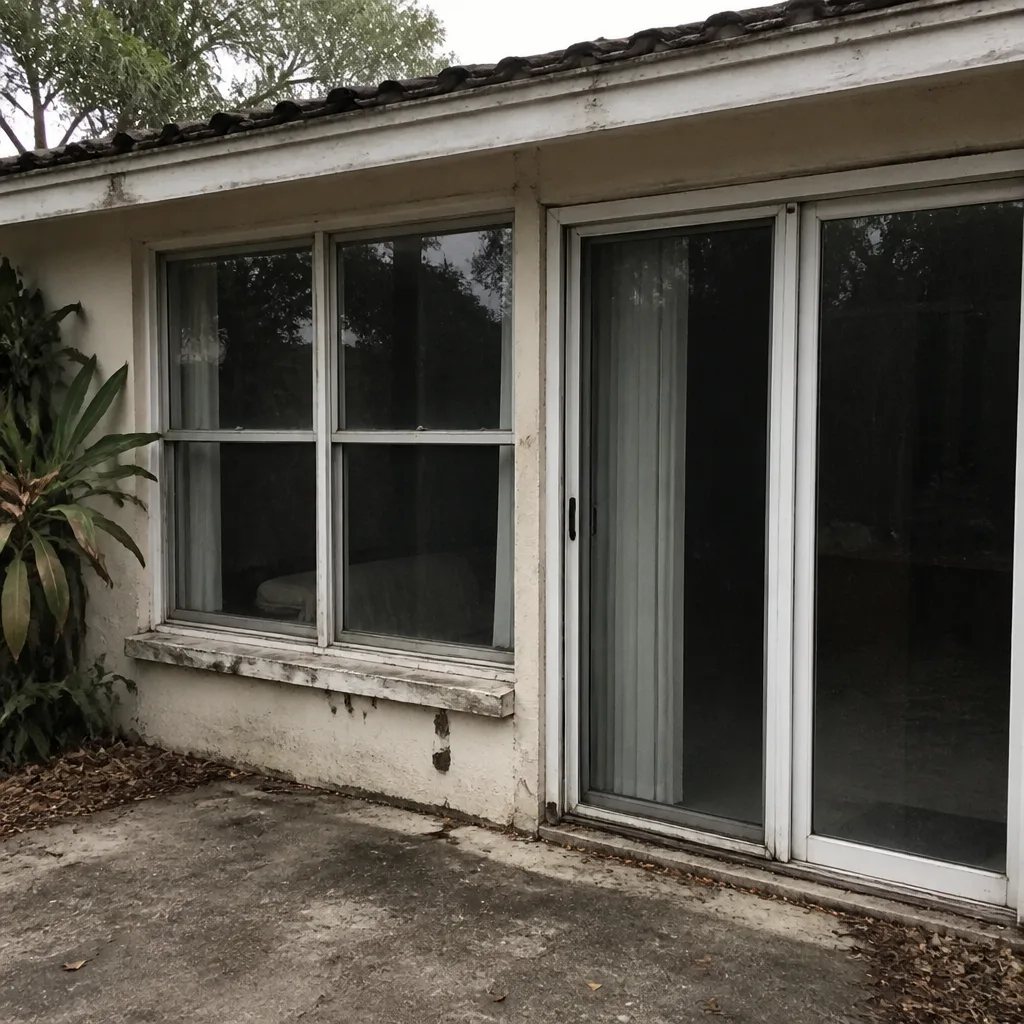 Before
 After
After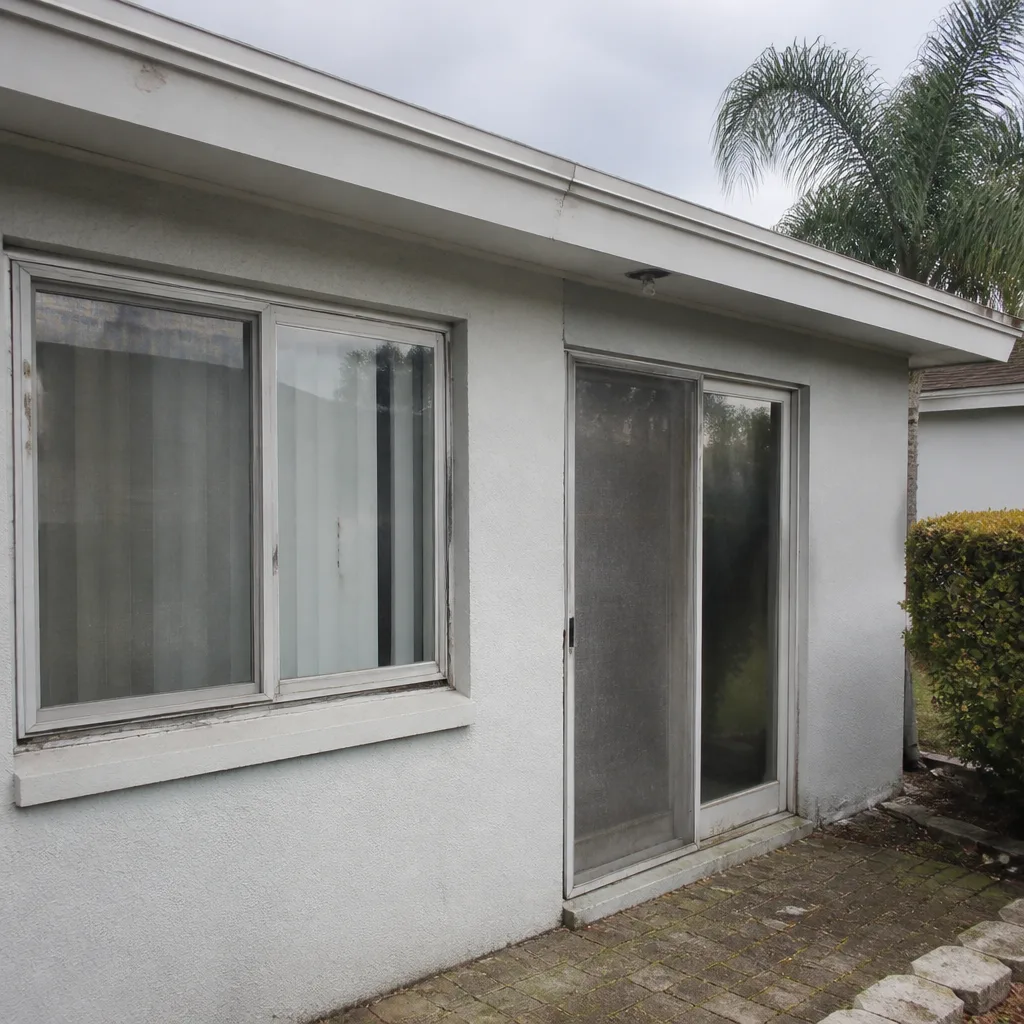 Before
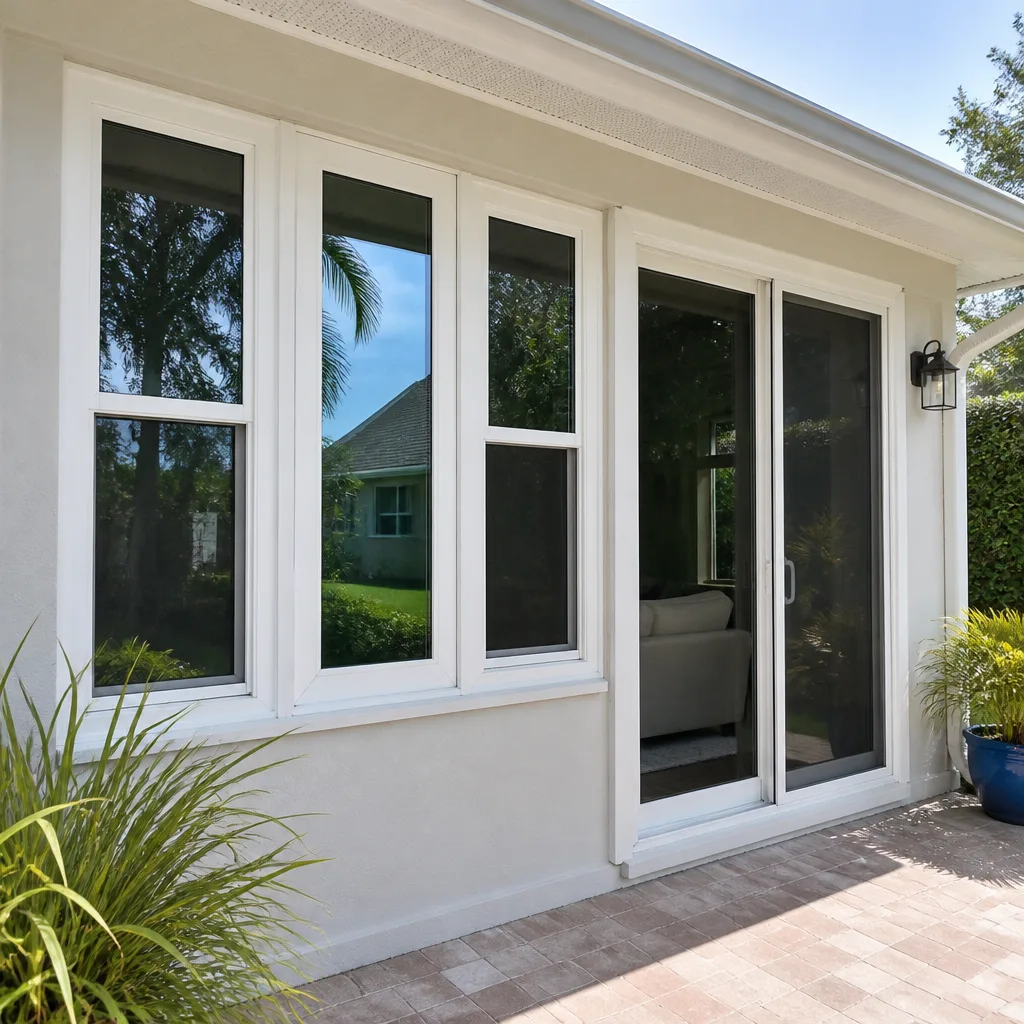 After
After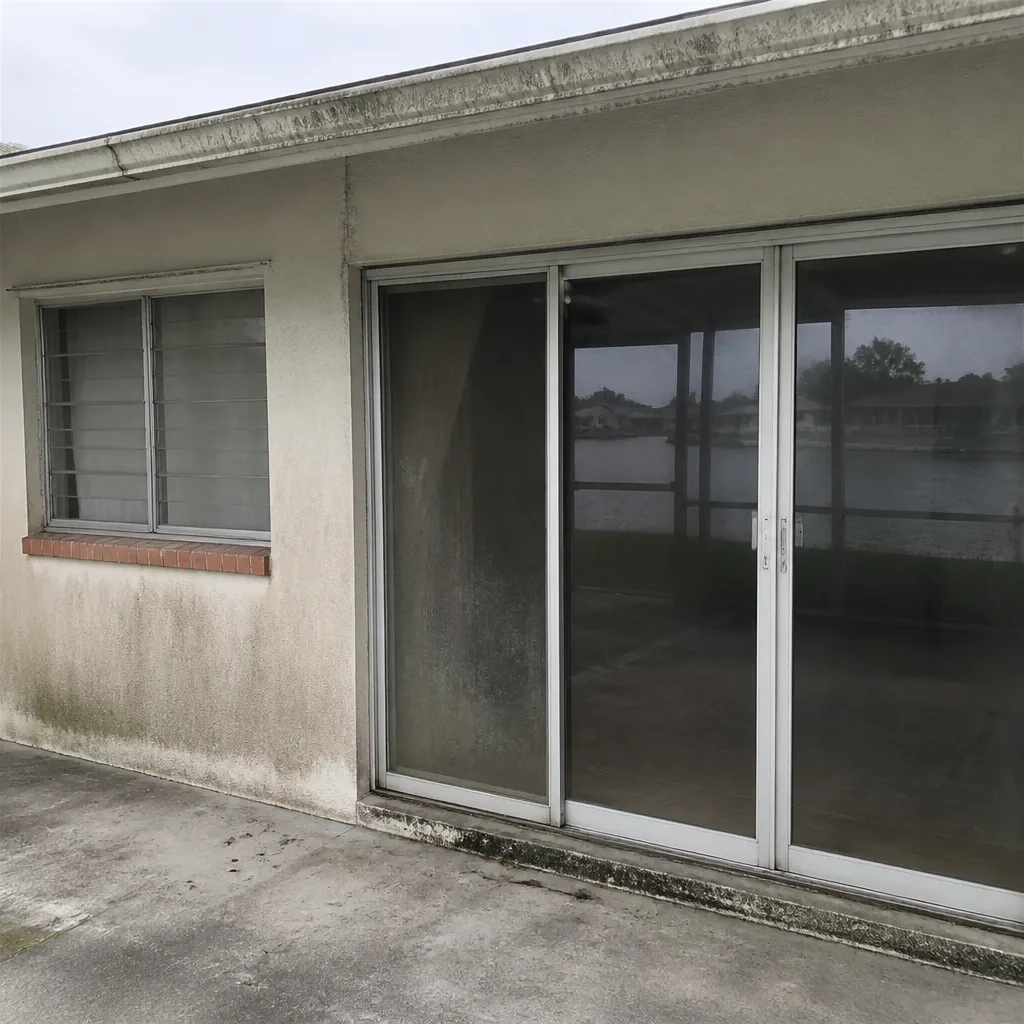 Before
 After
AfterImpact Windows Maintenance Checklist for Sarasota Homeowners
Most impact window failures in Sarasota don’t begin with a hurricane. They begin quietly, months or years earlier, with a clogged weep hole in the bottom track of an aluminum frame. During a summer storm, that tiny blockage traps water against the glazing compound, and the pressure works its way into the insulated glass unit from the inside out. This guide is built around the inspection points a homeowner can actually see and check without a ladder or a tool kit, sorted by month, tied to Sarasota’s real climate calendar, and written so you know the difference between a window that needs cleaning and a window that needs a technician. If you’ve lived in this area for any length of time, you know the difference matters.
Quick Answer
Impact window maintenance in Sarasota comes down to a seasonal rhythm: clear the weep holes and inspect the sealant before April, lubricate hardware and check gaskets during the August-September storm peak, and clean the glass with low-e-safe products in November after the storms pass. The full checklist below walks through each task in the order that matches our climate calendar. If this is the first time you’ve inspected your windows in a while, start with the weep holes.
Table of Contents
- The Month-by-Month Maintenance Calendar for Sarasota
- Weep Holes: The Most Overlooked Maintenance Point
- The Four Stages of Sealant Degradation (And Which One You’re In)
- How to Clean Impact-Rated Glass Without Damaging the Low-E Coating
- Hardware Lubrication Points Specific to Impact Sliders and Casements
- What Your Warranty Actually Requires You to Document
- Common Mistakes to Avoid
- When to Call a Professional
- Frequently Asked Questions
- The Bottom Line
The Month-by-Month Maintenance Calendar for Sarasota
Maintenance checklists that tell you to “inspect windows twice a year” don’t account for how Sarasota’s weather actually behaves. We get a dry stretch from October through April, daily afternoon thunderstorms from June through September, and the real storm threat concentrated between mid-August and late September. Each window in your house responds to those conditions differently depending on the season. Here is the calendar we give to homeowners who want a schedule they can actually keep.
April: Pre-Season Inspection
April is when you catch problems before they become August emergencies. The weather is mild, the sun hasn’t started baking the sealant yet, and you can work comfortably outside. Walk the full perimeter of the house and spend 30 seconds looking at each window frame from the outside.
- Clear every weep hole on the bottom track of every frame. A straightened paper clip or a can of compressed air works. If water pools in the track after you clear the hole, the interior drainage channel is blocked, not just the opening.
- Look at the sealant bead where the frame meets the stucco or siding. Run your fingertip lightly over it. If it feels chalky or leaves residue on your finger, the sealant is oxidizing. That’s Stage 2 deterioration, and it means water is starting to find a path behind the frame. We cover the four stages in detail below.
- Open and close every operable window once, slowly. Listen for grinding, feel for resistance. A window that sticks in April will be a window you can’t open in August when you actually need ventilation.
- Inspect the weatherstripping and gaskets. Press them with your thumb. Material that doesn’t spring back has lost its memory and is no longer sealing.
May through July: Monitoring Months
Once the daily thunderstorms start, you’re not doing deep maintenance. You’re watching for water. After each heavy rain, run a paper towel along the interior sill and the bottom corners of the frame. If the towel comes up damp, you have an active leak, and you need to note which corner the water is collecting in before you call anyone. Write it down. The location of the water tells us more than the fact that water exists. Left and right corners have different drainage channels, and the fix for one is not the fix for the other.
August through September: Peak Storm Season
This is the maintenance period most homeowners skip, and it’s the one that matters most. Before a named storm approaches, run through a quick functional check.
- Close and lock every impact window and door. The locking mechanism is part of the structural rating. An unlocked impact window is not providing the protection it was engineered for.
- Verify that the weep holes are still clear. Wind-driven debris, mulch, and dead insects will clog them faster during storm season than at any other time of year.
- Check the silicone around any glass-to-frame joints on fixed windows. Flexing from wind pressure can open tiny gaps that weren’t there in April.
- If you have impact sliding doors, remove the bottom track cover if your model has one and clean out the track thoroughly. Debris in the track is the leading cause of a slider jamming shut when you need it closed.
November: Post-Season Cleaning and Repair
After the last storm has passed and the humidity drops, do the deep clean. This is when you’ll catch the slow damage that storm season exposed. Salt residue from wind-driven rain sits on the glass and frame. Salt is corrosive to aluminum over time. Wash it off with mild soap and water, rinse thoroughly, and dry the frames. While you’re cleaning, look at the sealant again. Storms accelerate sealant degradation, and a bead that looked fine in April may show Stage 3 hairline cracks by November. The dry season between November and March is the best window for any repair work, because sealants need dry, mild conditions to cure properly. At TruePane, our installation calendar in impact windows in Sarasota fills fastest in February and March for exactly this reason.
Weep Holes: The Most Overlooked Maintenance Point
Every impact window with an aluminum or vinyl frame has weep holes, small rectangular or round openings in the bottom track on the exterior side. They’re designed to let water drain out before it accumulates. A weep hole is doing more structural work than most homeowners realize. In a Sarasota summer storm, an hour of heavy rain can drive several gallons of water against a single large window. If the weep holes are clear, that water drains away through the frame’s internal channel system. If they’re clogged, the water has nowhere to go but into the glazing compound, behind the sealant, and eventually behind the drywall. Here is the maintenance routine we recommend, and it takes less than five minutes per window.
- Inspect each exterior bottom track, locating the weep holes. On most frames, there are two or three per window. On wide sliders, there may be four or more.
- Use a straightened paper clip, a twist tie with the paper coating stripped off, or a small bottle brush to clear any visible debris from each opening.
- After clearing, pour a small cup of water into the interior track. Watch the exterior weep holes. If water runs out promptly, the drainage path is clear. If water does not emerge, or emerges slowly, the clog is deeper in the channel system. A soft wire or compressed air can sometimes reach it. If not, the frame’s drainage channel may need to be accessed from the end cap, which is a job for someone with glazing experience.
- Repeat this check quarterly, and again before any significant storm event.
In our experience across Sarasota neighborhoods, the most common culprits are oak pollen in the spring, mulch from landscaped beds, and lovebugs in May and September. If your home sits near a Live Oak canopy, inspect these holes monthly during pollen season. If your irrigation spray heads point toward the house on a low corner of the property, you’ll also see sediment accumulation in those weep holes faster than anywhere else. It’s a small thing. It’s also the thing that prevents a warranty claim from becoming necessary in the first place.
The Four Stages of Sealant Degradation (And Which One You’re In)
Most maintenance checklists say “check the seals.” Here is what a failing seal actually looks like at each stage, and what each stage means for repair versus full replacement. This applies to the exterior caulk and sealant joints around the frame, not the insulated glass unit itself. The sealant around the frame is the first line of defense against wind-driven rain. It fails in a predictable sequence, and you can identify the stage from inside your home without any tools.
Stage 1: Surface Oxidation
The sealant has started to break down at a chemical level, but it still looks intact from a distance. When you touch it, a fine powdery residue transfers to your finger. It may feel dry and hard rather than slightly rubbery. What it means: The sealant is still shedding water, but its life is ending. You have six to eighteen months before it becomes a problem. This is the ideal time to have it re-sealed, because the prep work is minimal and the repair is inexpensive.
Stage 2: Edge Separation
You can see a hairline gap forming between the sealant bead and the stucco, siding, or frame edge. The gap may only be visible when you press gently on the frame, opening the joint slightly. What it means: Water is now able to wick behind the sealant by capillary action. It has not yet reached the rough opening, but it has left the surface. Repair at this stage involves cutting out the old bead and applying new sealant. No sill pan replacement needed. This is still a straightforward fix.
Stage 3: Hairline Cracks in the Bead
The sealant itself has developed visible cracks, not just separation at the edges. These cracks may run along the bead or across it. What it means: Water is now penetrating through the sealant body, not just around it. The sealant is no longer performing its function. If caught quickly, the fix is still sealant replacement. But if Stage 3 has persisted through a rainy season, you need to check for secondary damage: staining on the interior drywall, soft spots in the sill, or water marks on the interior frame.
Stage 4: Interior Water Intrusion
You’re seeing water inside the home: staining, damp drywall, peeling paint, or condensation between the frame and the wall. What it means: The sealant has failed, the flashing tape behind it has likely been compromised, and water has been traveling into the wall cavity. This is the stage where a sill pan replacement or frame removal may be required, and it’s the stage where “re-caulking” no longer solves the problem. The damage is behind the surface, invisible until someone removes the casing. If you’re seeing any sign of interior water, this is not a DIY repair. The fix requires removing the window to inspect the rough opening, replace flashing as needed, and reset the sill pan. We see a handful of these every year in Sarasota homes, and the common thread is that a Stage 2 repair three years ago would have cost a fraction of the eventual fix.
How to Clean Impact-Rated Glass Without Damaging the Low-E Coating
Impact windows in Florida almost always carry a low-emissivity, or low-e, coating. This is a microscopically thin metallic oxide layer applied to the interior side of the outer pane. It reflects radiant heat, which is a meaningful portion of your cooling bill in a Sarasota summer. The coating is durable, but it is not indestructible, and the wrong cleaning products will strip it over time. Standard ammonia-based glass cleaners are the primary offender. Ammonia attacks the metallic coating at a chemical level, causing it to degrade, haze, or delaminate. If you’ve been cleaning your impact windows with the same blue spray bottle you use on your interior mirrors, stop. The damage compounds with each application. Here is a cleaning protocol that protects the coating and leaves the glass streak-free.
- Choose a cleaner labeled “ammonia-free” and “safe for coated glass.” If the label doesn’t say both things, don’t use it on impact-rated or low-e glass. A mild dish soap solution, a few drops per gallon of water, works just as well for most cleaning jobs.
- Use a soft, clean microfiber cloth or a soft sponge. Do not use paper towels. Paper leaves micro-abrasions on the glass surface that accumulate over years. Do not use a razor blade or any scraping tool on coated glass. The coating is on the interior face of the glass, and a blade will damage it.
- Clean on a cloudy day or in the early morning. Direct sun causes the cleaning solution to flash-dry, which leaves residue and increases streaking. Sarasota afternoons are hostile to glass cleaning for this reason.
- Spray the cloth, not the glass. This keeps cleaner from pooling in the frame corners or running into the weep holes, where it can carry dissolved contaminants into the drainage channels.
- Wipe in one direction, then buff with a dry section of the cloth. If you see a rainbow-colored or oily sheen on the glass after cleaning, that is not a stain. That is the low-e coating starting to show wear. Call someone who knows impact glazing before considering the glass damaged beyond cleaning.
One note on hard water: Sarasota municipal water and well water both carry dissolved minerals. If your irrigation overspray reaches the windows, you’ll get hard water spots on the exterior glass, and they’ll build up fastest on the lower panes. A solution of equal parts white vinegar and water will break up mineral deposits without touching the coating. Rinse thoroughly afterward, because vinegar left on aluminum frames will accelerate corrosion. If the spots have baked on through a full summer, they may already be etched into the glass surface, and no cleaning product will remove etching. In that case, you’re looking at glass replacement, not cleaning. The good news, as we tell homeowners during window replacement in Sarasota consultations, is that a single pane can often be replaced without changing the entire sash if the frame is still sound.
Hardware Lubrication Points Specific to Impact Sliders and Casements
Impact-rated windows and doors use heavier hardware than standard residential units. The hinge pins, roller assemblies, and locking mechanisms are built to withstand greater loads, and that means they have greater friction. Lubrication is a maintenance task that pays back immediately in ease of operation. But the lubricant choice matters more than most homeowners think, because one common recommendation actively damages the gaskets these windows depend on.
Petroleum-based lubricants, including WD-40 and similar products, break down EPDM rubber, the material used in most impact window gaskets and weatherstripping. The lubricant overspray that drifts from the hinge onto the gasket is enough to start the degradation process. The gasket loses its elasticity, hardens, and stops sealing, and you’ll have a draft or a water leak that didn’t exist before. We see this on a regular basis in Sarasota, usually after a homeowner followed a generic online tutorial and lubricated everything in reach.
Use a dry PTFE or silicone-based lubricant instead. Neither attacks EPDM rubber, and both are available at any hardware store. Here are the specific lubrication points to hit on a six-month schedule.
- Hinge pins on casement and awning windows: Apply a small amount to the pin where it enters the hinge leaf. Open and close the window three or four times to work it through the mechanism.
- Roller assemblies on sliding doors and windows: Clean the track thoroughly first, then apply lubricant to the roller bearings. Do not lubricate the track itself. A lubricated track collects dust and debris, which turns into a grinding paste that wears the rollers faster.
- Locking mechanisms and multi-point locks: Apply a small amount to the moving parts of the lock body. Multi-point locks on impact doors have several moving pins that each benefit from lubrication. Operate the lock fully through its range several times after applying.
- Folding hardware on impact accordion doors: If you have folding impact doors, like those from ES Windows or similar, the hinge carriage systems run on rollers that need the same six-month lubrication. These doors are heavy, and dry rollers make them harder to operate and increase wear on the track.
A final note on operation: if a window or door suddenly becomes harder to operate, or starts binding at a specific point in its travel, don’t force it. Forcing an impact window past a bind can bend the hardware, strip the lock, or damage the frame. Stop, clear whatever obstruction you can see, and if the problem persists, call someone who diagnoses rather than forces. The difference between a ten-minute adjustment and a hardware replacement is often whether the window was forced past its sticking point.
What Your Warranty Actually Requires You to Document
Here is a fact most Sarasota homeowners don’t discover until they file a claim: impact window manufacturers write maintenance compliance requirements into their warranty documents. Not performing the maintenance, or not being able to show records that you performed it, gives the manufacturer a reason to deny a claim for seal failure or hardware defects. The language varies by manufacturer, but the pattern is consistent. Mr-Glass, ECO Window Systems, and the other major lines all include some version of it.
The most common requirements are annual inspection of the glazing and sealant, cleaning of glass and frames at a stated interval, keeping weep holes clear, and lubricating hardware per the manufacturer’s schedule. When a seal fails on an insulated glass unit, the manufacturer’s claims process typically asks whether the homeowner maintained the unit per the warranty terms. If you can’t answer yes with documentation, you’re relying on the company’s goodwill. Goodwill is not a warranty. Here is how we advise our customers to keep records that protect their claims, and this applies whether the windows came from TruePane or from another contractor.
- Keep a simple maintenance log. A spiral notebook is fine. For each maintenance session, record the date, the windows serviced, what was checked or cleaned, and any observations. If you clear a weep hole, write it down. If you lubricate hardware, write it down. Date it.
- Take photographs. A phone photo with a timestamp is better evidence than a written note alone. Photograph the weep holes after clearing them, the sealant condition, the glass after cleaning. Store the photos in a folder on your phone or computer.
- Keep product documentation. The manufacturer’s care and maintenance guide, the warranty certificate, and the original purchase records all live together in one place. If you bought your windows through a contractor, the contractor should have provided these. If they didn’t, ask. If they can’t provide them, that’s a red flag about whether the warranty was actually registered.
This is where The Keystone Standard matters more than most homeowners realize when they’re comparing contractors. When we install or service impact windows, both manufacturer warranty layers are registered in writing, with durations stated on paper, before the truck leaves the driveway. The homeowner gets a copy. The manufacturer has a copy. There’s nothing to hunt for later. If you’re working with windows that were installed by another company, or windows that came with the house when you bought it, the first step is to locate the manufacturer’s name on the spacer bar between the glass panes, then call that manufacturer directly and ask them to confirm your warranty registration status. You might be surprised how often the answer is that the warranty was never registered. There’s a fix for that in some cases, and it starts with having the paperwork conversation early, not at claim time.
And if you’re considering window installation in Sarasota and want to understand how the warranty works before you commit, ask any contractor this question: “Will you show me the warranty registration paperwork before final payment?” The answer tells you what you need to know about how they run their business.
Common Mistakes to Avoid
- Using ammonia-based glass cleaner on low-e coated glass. Ammonia attacks the metallic coating chemically, and the damage is cumulative and irreversible. Once the coating is compromised, the glass loses its thermal performance permanently, and the only real fix is glass replacement.
- Lubricating window tracks with WD-40. Petroleum-based lubricants degrade the EPDM gaskets that seal the window against water and air. The gasket hardens, cracks, and stops sealing, and you’ve created a leak that didn’t exist. Use dry PTFE or silicone only.
- Painting over weep holes or sealant. When a Sarasota home gets a fresh exterior paint job, painters sometimes caulk and paint over the weep holes because they don’t know what they’re for. A painted-over weep hole is a future interior leak. If you’re having the house painted, walk behind the painters and check every window’s bottom track before final payment.
- Ignoring a stage 2 sealant separation because “it’s just a hairline gap.” Capillary action draws water into spaces you can’t see. What looks like a cosmetic issue in April becomes an interior stain in September. The repair cost at stage 2 is a fraction of the stage 4 fix.
- Forcing a stuck window or slider. Impact windows are heavy and built to tight tolerances. Forcing a binding window bends hardware, strips locks, and turns a ten-minute adjustment into a hardware replacement order.
- Assuming the original contractor registered your warranty. Many weren’t registered, and the homeowner discovers it when they file a claim years later. Verify registration directly with the manufacturer, not the contractor’s word.
- Cleaning impact glass in direct afternoon sun. The cleaning solution flashes off before you can wipe it, leaving a streaky, hazy film that bakes on. And if the solution runs into the weep channels, it carries residue into the drainage path. Clean in the morning or on overcast days.
When to Call a Professional
Most of the maintenance on this checklist is something a homeowner can do in an afternoon. But there are specific situations where the right move is to pick up the phone instead of a paper clip. If you see interior water staining on drywall, soft spots on a sill, or water pooling between the frame and the wall, the problem is behind the surface, and the repair requires removing the casing to see the rough opening. If an impact window or door has become difficult to lock, the hardware may be bent or the frame may have shifted, and a forced repair will make it worse. If your glass shows a haze or a rainbow sheen that doesn’t clean off, the low-e coating has begun to fail. And if any window was installed by a contractor you cannot reach or who has since gone out of business, and you have no warranty documentation, an inspection is the first step to knowing where you stand. TruePane Windows & Doors offers free estimates in Sarasota, and a live person answers the phone 24 hours a day. Call (941) 214-2069 and we’ll schedule a time to look at the windows together.
Frequently Asked Questions
Impact windows should be inspected at minimum twice a year in Sarasota: once in April before storm season, and once in November after it ends. If your home is near oak trees or receives irrigation overspray on the windows, add quarterly weep hole checks.
A failing seal shows up in four progressive stages: powdery residue on the sealant surface, a hairline gap between the sealant and the frame, visible cracks running through the sealant bead, and finally water intrusion at the interior sill. Stages one through three are repairable with new sealant. Stage four typically requires removing the window to inspect and reset the sill pan. Call (941) 214-2069 for an exact assessment if you’re seeing any of these signs.
No. Windex and most standard glass cleaners contain ammonia, which attacks the low-e coating on impact-rated glass and causes irreversible degradation over time. Use an ammonia-free cleaner labeled safe for coated glass, or a mild dish soap solution with a soft microfiber cloth.
Use a dry PTFE or silicone-based lubricant. Never use WD-40 or any petroleum-based product, which breaks down the EPDM rubber gaskets and causes them to harden and stop sealing. Lubricate hinge pins, roller bearings, and lock mechanisms every six months.
Find the manufacturer’s name etched on the spacer bar between the glass panes, then call that manufacturer directly and ask them to confirm your warranty registration. Many homeowners discover the warranty was never registered by the original contractor. If the contractor cannot show you written registration paperwork, assume it was never filed and start from there.
It depends on what has failed. A single pane of glass, a hardware set, or a sealant joint can often be repaired for a fraction of the cost of a full replacement, provided the frame is still square and the structural channels are intact. Once the frame itself has corroded or the sill pan has failed, replacement becomes the more honest recommendation. TruePane provides side-by-side quotes for repair versus replacement so you can see the numbers before deciding.
The Bottom Line
Impact window maintenance in Sarasota is not about doing more work. It’s about doing the right work at the right time of year, and knowing what a real problem looks like before it becomes an expensive one. Clear the weep holes before April. Lubricate hardware with the correct product during storm season. Clean the glass with low-e-safe products in November. Watch the sealant for the four stages of failure, and keep a written record of every maintenance session because your warranty may depend on it. If you inherited windows with no paperwork, or you’re seeing signs that something isn’t right, don’t guess. A free estimate from TruePane Windows & Doors home team costs you nothing and tells you exactly where you stand. Call (941) 214-2069 and a live person will answer.
Written by Dale Kessler, Owner at TruePane Windows & Doors, serving Sarasota since 2008. Explore more guides & resources on our blog.
Six Reasons Homeowners Choose TruePane Windows & Doors
Impact systems engineered to design pressures up to +/-100, matched to your wind zone - your openings hold when the storm arrives.
Low-E insulated impact glass from our manufacturer lines commonly cuts monthly cooling bills 20-30%.
Laminated impact glass shuts out up to 40% of outside noise - traffic, neighbors, weather.
Monitoring services run $30-90 a month. Laminated impact glass resists forced entry around the clock, with no subscription.
Florida homeowners average around 25% savings on the windstorm portion of their policy after protecting every opening - some homes qualify for more.
A full impact package upgrades curb appeal, buyer confidence and appraised value in one project.