
Last updated August 28, 2026
Free in-home measure and quote - PGT, CGI and CWS impact lines compared on your actual openings, style by style
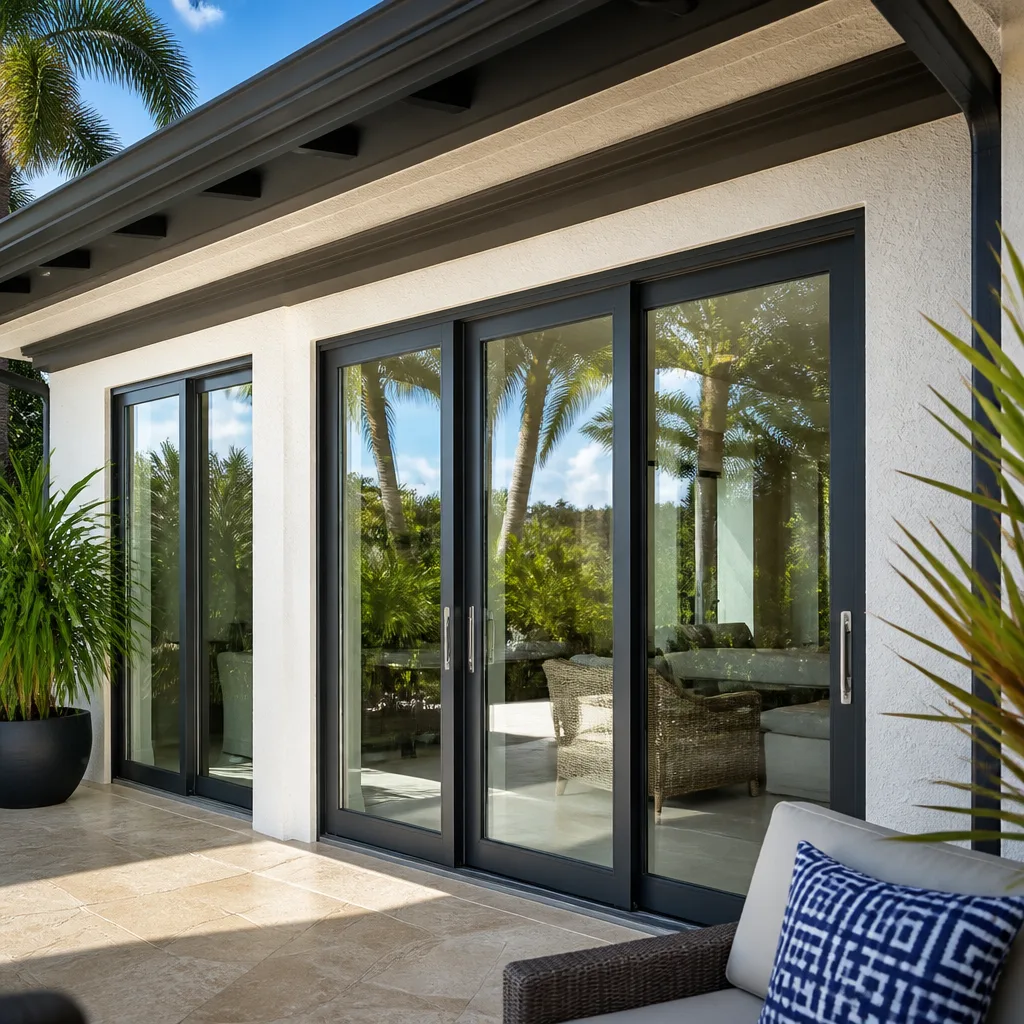
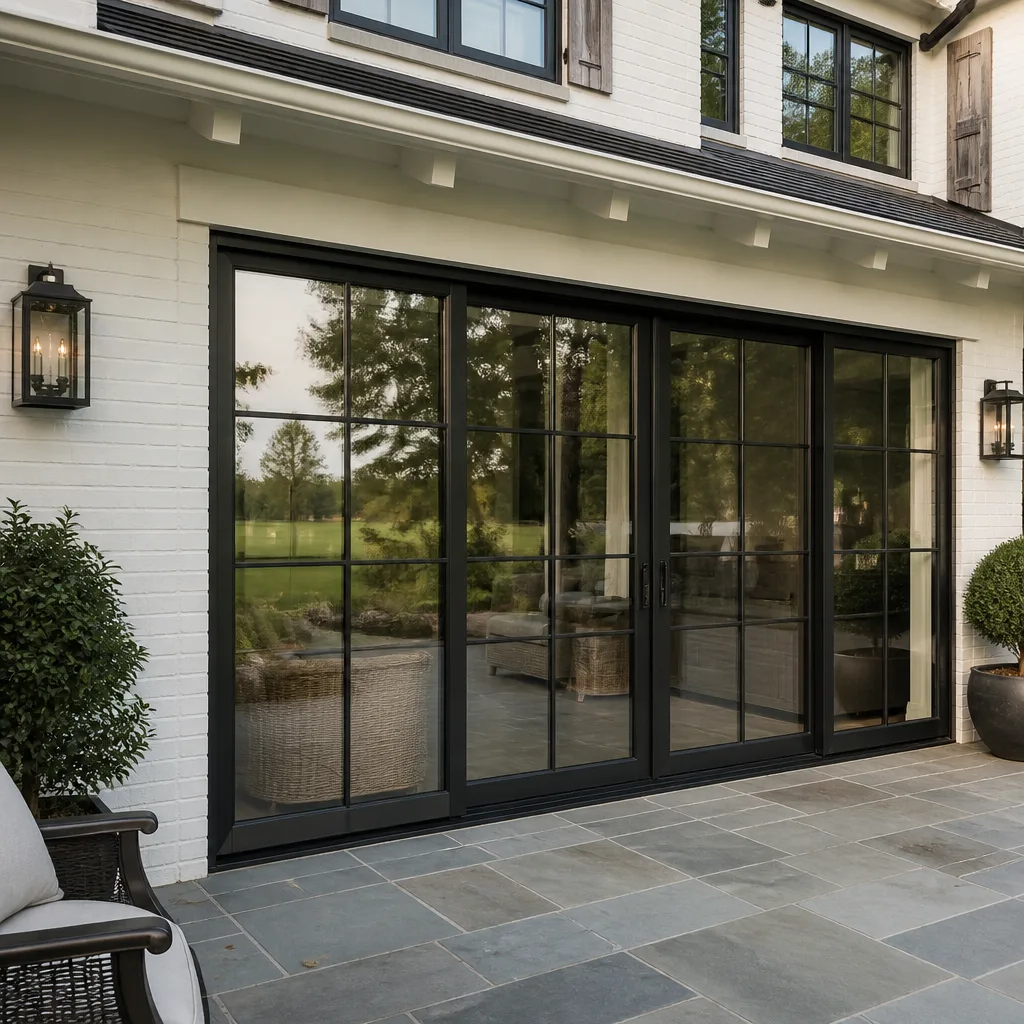
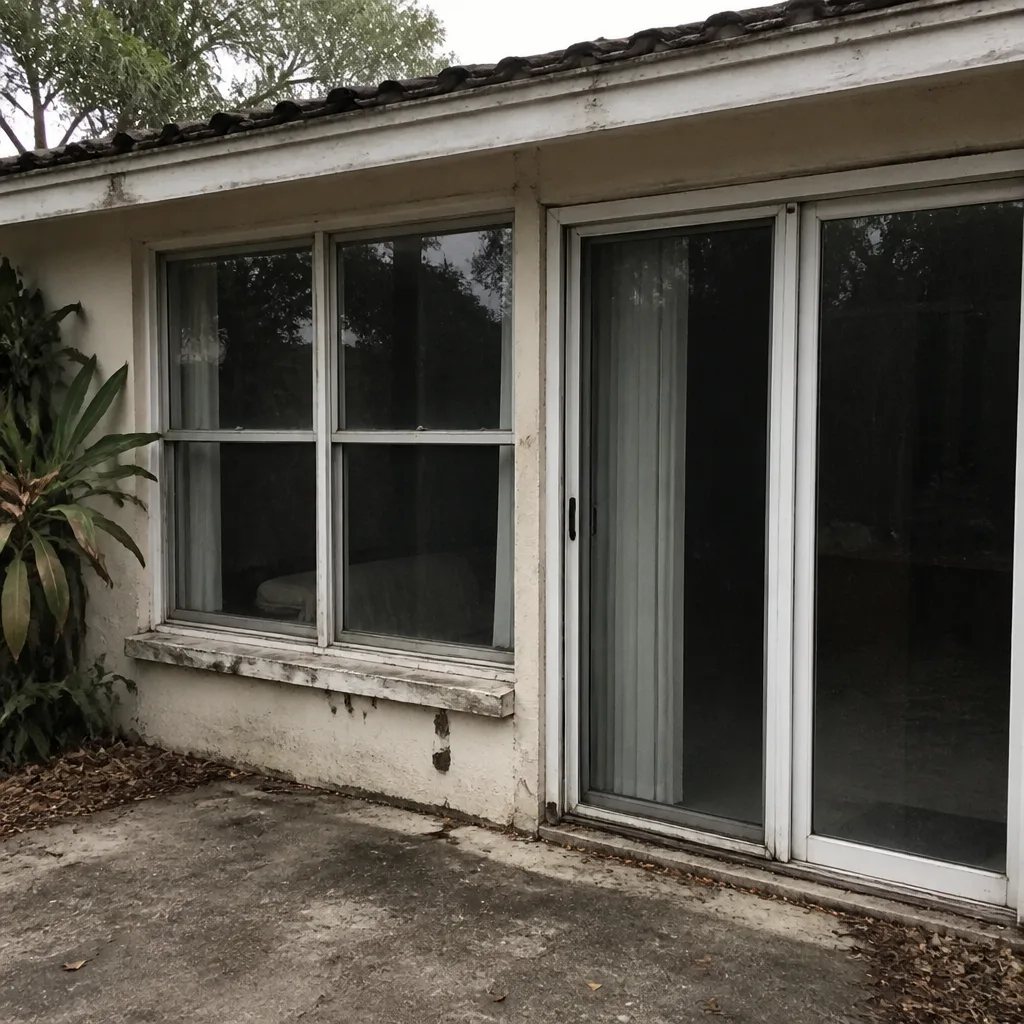 Before
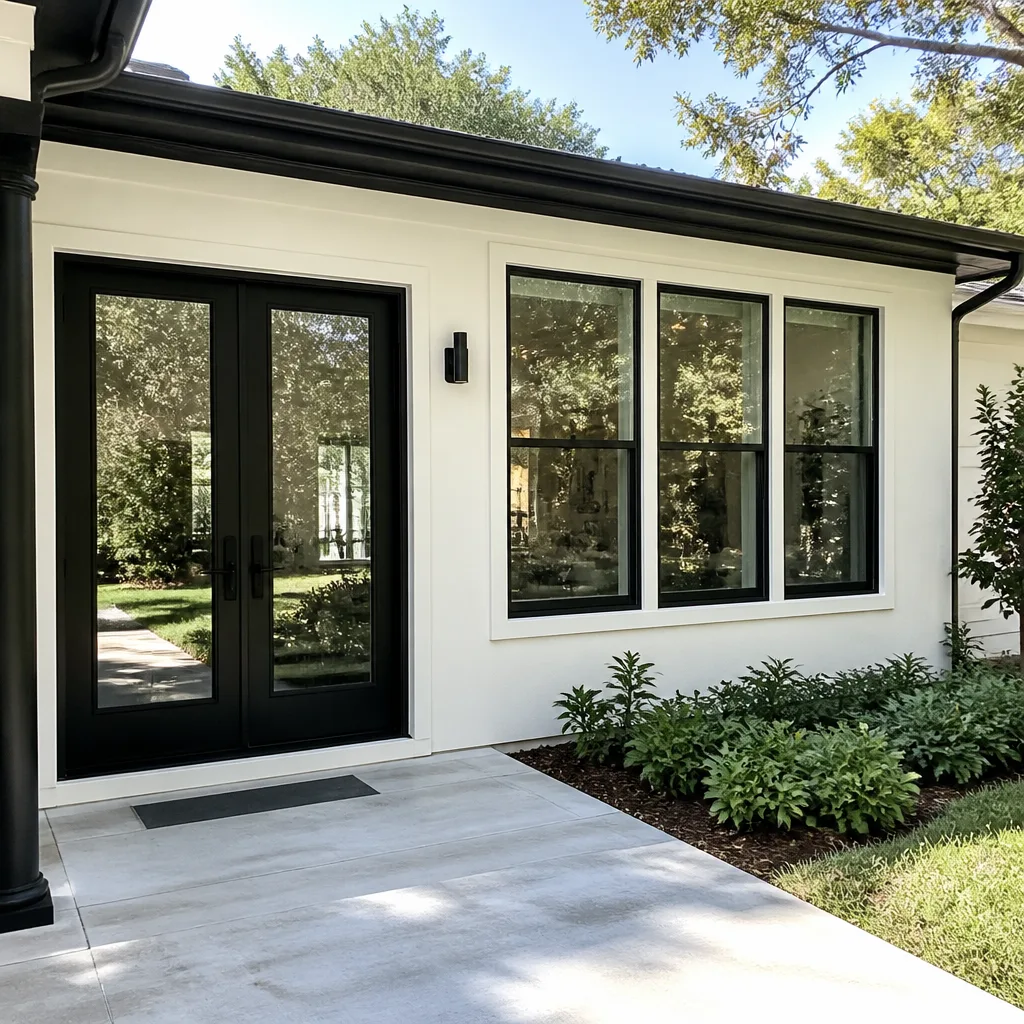 After
After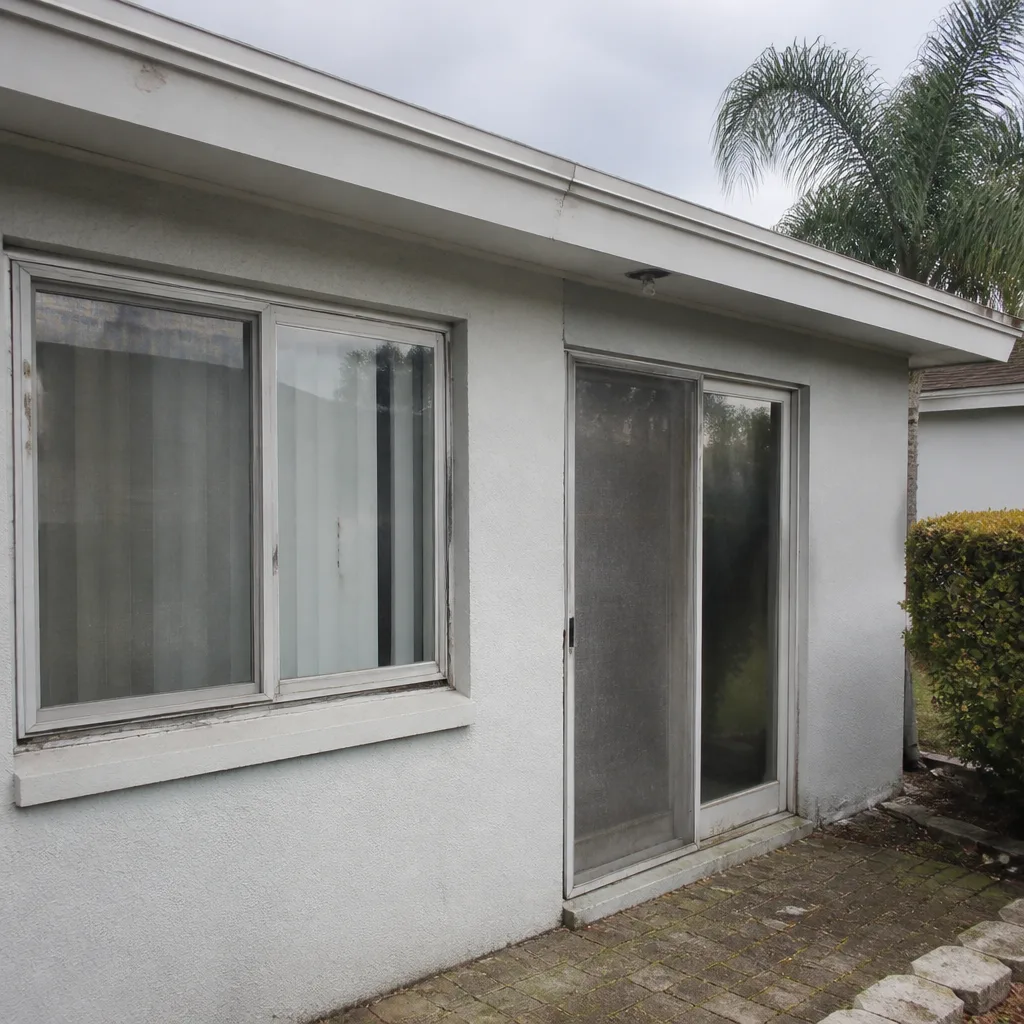 Before
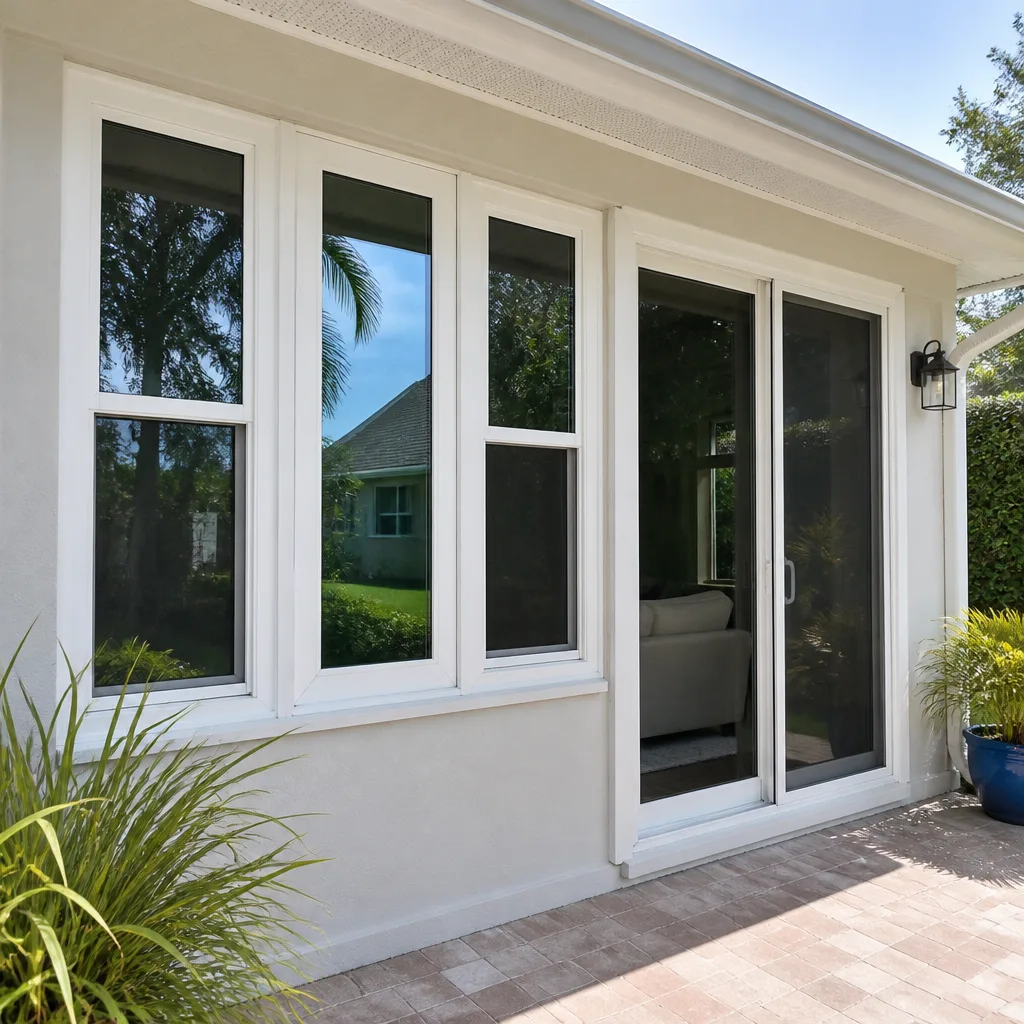 After
After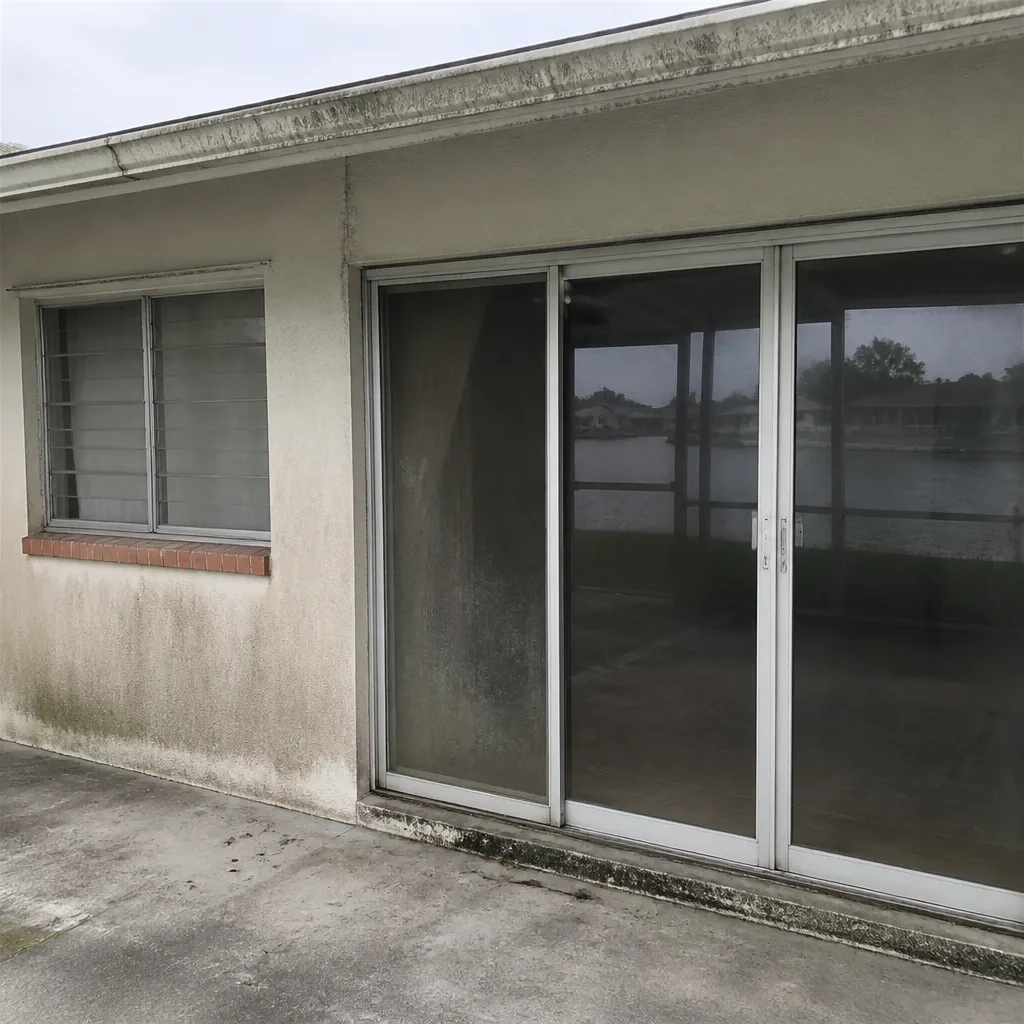 Before
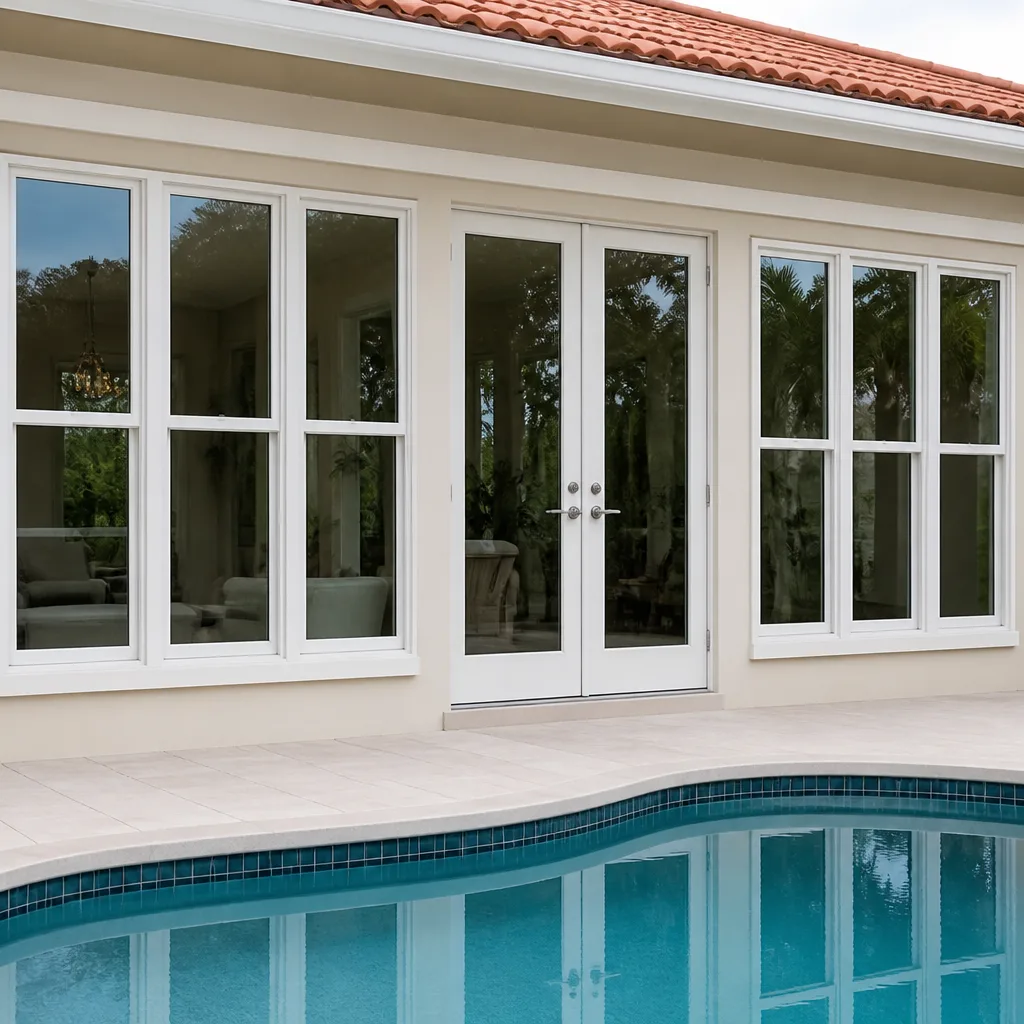 After
AfterSeasonal Windows & Doors Care for Sarasota: Year-Round Homeowner’s Guide
Most Sarasota homeowners treat their windows and doors the same in February as they do in August. That is a mistake, and it is an expensive one. The dry season from November through April is when the UV index and lack of humidity cause weatherstripping to shrink and sealants to crack at the highest annual rate in Sarasota, not during the humid summer when everything swells and feels fine. This guide maps window and door care to the actual stress cycle our climate creates, and it will show you exactly what to check, when to check it, and what to do when you find a problem. For related reading, see our Windows & Doors Warning Signs: A Sarasota Homeowner’s Reference Guide.
Quick Answer
Seasonal window and door care in Sarasota means following four distinct maintenance windows each year: pre-storm season hardening from March through May, active storm season inspection from June through October, post-storm documentation in November, and dry season UV and thermal cycling checks from December through April. The work takes a homeowner roughly six hours per year, and it catches the small problems that become five-figure replacements before they get there. Focus your attention on sealants, weatherstripping, hardware torque, and frame expansion gaps, in that order.
Table of Contents
- Pre-Storm Season (March-May): Hardening Your Window and Door Systems
- Active Storm Season (June-October): The Post-Storm 72-Hour Protocol
- Post-Storm Season (November): Documentation, Insurance, and Warranty
- Dry Season (December-April): UV, Thermal Cycling, and the Sun Angle Problem
- Building an Annual Maintenance Log That Satisfies Warranty Requirements
- Common Mistakes to Avoid
- When to Call a Professional
- Frequently Asked Questions
Pre-Storm Season (March-May): Hardening Your Window and Door Systems
By March in Sarasota, the dry air has been working on your window and door seals for four months. The sealant bead that looked pliable in October has dried and started pulling away from the frame in the corners. The weatherstripping on your patio door has shrunk enough that you can see daylight at the threshold. And the hardware on your windows, the locking points and the rollers, has been sitting in winter dust that acts as a fine abrasive every time you open and close the sash.
Pre-storm season is when you do the work that determines whether your impact windows and doors perform to their rating when the first named storm arrives. A window system only works as a system. The glass can carry a PGT or CGI impact rating, but if the frame is out of true or the hardware is loose, the entire assembly fails under the wind loads it was rated for.
Here is the pre-storm checklist we recommend for every Sarasota home, whether you live in Gulf Gate, Lakewood Ranch, or out near the Bee Ridge corridor:
- Hardware torque check. Every locking point and hinge screw on every window and door should be checked with a screwdriver or torque driver. Loose hardware is the most common cause of a window that rattles in a storm and the easiest fix. If a screw spins without tightening, the hole is stripped and needs a larger fastener or a thread insert. Do not ignore a spinning screw; it is telling you the frame material is fatigued.
- Glazing tape inspection. The tape between the glass unit and the frame is what keeps water out when wind-driven rain hits the window at 60 miles per hour. Look for any tape that has oozed, cracked, or pulled away from the glass. Squeegee-like bubbles under the tape are a failure indicator. In our experience, this is the single most overlooked pre-storm check in Florida.
- Sealant bead inspection. Run your finger along every exterior sealant joint: frame to stucco, frame to trim, threshold to slab. A healthy bead is flexible and fully adhered. A failing bead is chalky, cracked at the corners, or peeling at the edge. Sarasota’s dry season accelerates this failure every year, so do not skip it just because you checked last year.
- Weep hole clearing. The small drainage slots at the bottom of the exterior frame need to be clear of dirt, paint, and insect nests. A clogged weep hole holds water in the track, and standing water in a track eats the frame coating and invites corrosion. Clear them with a stiff brush or compressed air.
- Roller and track service on sliding doors. Sarasota’s sandy soil means your patio door track has grit in it by March. Lift the panel out if you can, vacuum the track, and check the rollers for flat spots. A flat-spotted roller puts lateral load on the door frame and causes the classic July bind, where the door refuses to slide when the humidity swells everything.
This work is not complicated, but it is detail work. Most of our service calls during the first week of June are for problems that a March hardware check would have caught. If you are not comfortable lifting a patio door panel or inspecting glazing tape, a single window replacement in Sarasota inspection call is cheaper than a failed impact window after a named storm.
For homeowners with impact windows that were installed more than a decade ago, from the CGI and PGT generation that went in after the 2004-2005 hurricane seasons, add one more step: check the fastener pattern on the frame. Original installs from that era sometimes used fewer fasteners than current code requires, and a retrofit inspection can tell you if your windows still meet the current Florida Building Code anchor requirements. For more on this, see our explainer on impact windows in Sarasota, which covers rating standards and code requirements in plain English.
Active Storm Season (June-October): The Post-Storm 72-Hour Protocol
After a named storm passes Sarasota, most water intrusion that eventually becomes a mold problem is invisible for the first several weeks. Water enters around a failed sealant joint, wicks into the wood buck or the drywall, and sits there while the homeowner sees nothing wrong on the painted surface. The 72-hour window after a storm is when you can catch that water before it becomes a remediation job.
Here is the protocol we give every homeowner we work with in Sarasota, and it is the same protocol our technicians follow after every major storm:
- Walk the exterior within 72 hours. Look at every window and door frame from the outside. You are looking for staining, streaking, or any change in the sealant bead. A fresh hairline crack in a bead after a storm tells you the frame flexed under wind load. That is information; write it down.
- Check the interior drywall around every opening. Run your hand over the drywall at the corners of every window and door, top and bottom. Feel for cool spots, which indicate moisture behind the surface. Look for any paint bubbling, which is a later-stage water sign, or any shadow line that was not there before.
- Slide every window and door open and closed. A sash or panel that binds or sticks after a storm is telling you the frame moved. If the frame moved enough to bind, it moved enough to open a water path. Take this seriously, even if the window still locks.
- Inspect the track and threshold for standing water. After the rain stops, there should be no water puddled in any track or threshold within a few hours. If water is still there the next morning, you have a drainage problem or an intrusion path that needs to be found.
- Check the interior finish around every opening for any new gap. When a window frame flexes, the interior caulk line often cracks even if the exterior looks fine. A new interior gap is an indicator that the exterior joint also flexed, and the exterior joint is the one that was keeping water out.
If you find any of these indicators, do not wait to see if it dries out. Sarasota’s summer humidity means wet drywall and wet framing do not dry on their own; they grow mold. Call a professional to trace the water path, and do it within the first week. The difference between a sealant repair and a mold remediation is almost always measured in days, not weeks. That applies everywhere from Colonial Oaks to Palmer Ranch and out to the barrier islands, where salt air accelerates corrosion on any exposed fastener or track.
One more storm season note that most guides skip: storm surge and salt water. If your home took salt water anywhere near the window and door frames, even just splash height, flush the tracks and hardware with fresh water as soon as it is safe to do so. Salt residue is hygroscopic, meaning it pulls moisture out of the air and holds it against the metal. Corrosion begins within days. This is a big deal on Siesta Key, Longboat Key, and the waterfront neighborhoods of Sarasota where salt exposure is already a year-round concern.
Post-Storm Season (November): Documentation, Insurance, and Warranty
November in Sarasota is when you look back at the storm season and decide what got damaged, what held up, and what needs to go on the record. Our experience with window installation in Sarasota warranty claims has taught us that the difference between a warranty claim that gets approved and one that gets denied is almost always paperwork. The manufacturer is not looking for a reason to pay you; they are looking for evidence that the product was maintained and installed correctly. Your November documentation is that evidence.
Here is what to document every November, even in years with no named storms:
- Photograph every window and door from the interior and exterior. Take the same photos in the same light every year, and store them with the date. These baseline photos are your record of what the openings looked like before any future damage, and they make an insurance or warranty claim dramatically easier.
- Note any sealant cracks, tape pull-away, or hardware looseness found during the year, and note what was repaired. A maintenance record that shows you addressed issues as they appeared is strong evidence that you maintained the product according to warranty terms.
- Separate storm damage from product failure. This is the key distinction. Manufacturer warranties cover defects in materials and workmanship: a failed seal in the glass unit, a delaminating frame coating, a hardware defect. Homeowner’s insurance covers sudden and accidental damage: a branch through a pane, wind-driven water intrusion during a named storm, impact damage. If a window leaked during a storm because the frame flexed and the sealant cracked, that is an insurance question. If a window leaked on a calm day because the glass seal failed, that is a warranty question. Documenting which is which in November saves you months of arguing later.
The Keystone Standard exists because we watched too many Sarasota homeowners get caught in exactly this gap: the installer says it is a manufacturer issue, the manufacturer says it is an install issue, and the homeowner is stuck in the middle. That is why we register both manufacturer warranty layers in writing, with durations stated, before the truck leaves the driveway on every job we do. You should hold any contractor you hire to the same standard, and if they cannot produce a written warranty registration, that tells you something useful.
Dry Season (December-April): UV, Thermal Cycling, and the Sun Angle Problem
December through April is the season when most Sarasota homeowners stop thinking about their windows, which is exactly backwards. The winter sun angle in Sarasota is lower than the summer angle, which means direct sunlight hits your west-facing windows at a shallower angle and for more hours of the day. The UV index in January is still high enough to damage polymer seals, and the air is dry enough that those seals are already at their most brittle.
Here is what the dry season does to a window and door system in Sarasota, and what to do about each item:
Weatherstripping shrinkage. The EPDM and vinyl weatherstripping on your windows and doors loses moisture in the dry air and shrinks. Gaps that were invisible in October open up by February. Test every door by closing it on a dollar bill at three points along the jamb; if the bill slides freely, the weatherstripping needs replacement. This is a fifteen-minute job on most doors and the single highest-return dry season maintenance item.
Sealant cracking at the frame-stucco joint. The stucco and the window frame expand and contract at different rates as the temperature swings between a cool January night and a warm January afternoon. Over repeated cycles, the sealant bead at that joint fatigues and cracks. Check this joint every February on every window, paying special attention to the west-facing elevations and any opening that gets full afternoon sun.
Frame expansion gaps on aluminum installations. Aluminum expands more than vinyl or wood when heated, and a Sarasota winter afternoon can put a 30-degree temperature difference across a west-facing aluminum frame. The frame needs an expansion gap at the ends to allow for that movement. If the gap was not left or has been caulked over, the frame will buckle and bind. If you have aluminum-framed windows or doors, especially older ones from the 1980s and 1990s that are common in Sarasota’s mid-century neighborhoods, check for binding in the afternoon sun and listen for any creaking or popping as the day cools. A popping aluminum frame is thermal stress, and it eventually fails the corner welds and the sealant.
UV damage to interior finishes and window films. The low winter sun angle means more direct sunlight penetrates deeper into your interior, which fades flooring and furniture and degrades low-quality window films faster in winter than in summer. If you have any window film installed, check the edges for peeling and cloudiness in the dry season. Good films are warrantied for a specific number of years, and the dry season photographs you take should document any film condition change while the warranty is still active.
In Lakewood Ranch and the newer communities east of I-75, the dry season adds a different concern: fine construction dust from continued neighborhood build-out settles on window tracks and door thresholds, and if it is left there through the dry season, it mixes with spring dew and makes a paste that eats rollers and corrodes track coatings. Vacuum your tracks and thresholds every six weeks during the dry season if you live near active construction.
Building an Annual Maintenance Log That Satisfies Warranty Requirements
Here is what we know from handling warranty work for our own installations and for homeowners who were abandoned by a previous contractor: most window and door warranty denials are procedural, not technical. The product failed, but the homeowner could not produce evidence of maintenance, and the warranty language requires reasonable maintenance. A simple log changes that.
Your maintenance log does not need to be elaborate. A spiral notebook in a kitchen drawer works. A digital photo album with dated entries works better. What matters is that it exists and that you actually use it. Here is the log format that has satisfied every manufacturer warranty claim we have supported:
- Date of inspection. Use the same date every year, or the same week, so the record is easy to produce.
- What you checked. Write it down even if you found nothing. A record that says “checked all sealant beads, all weatherstripping, all hardware torque” is exactly what the warranty department wants to see.
- What you found. Note any cracking, shrinkage, binding, or other changes. A single sentence is enough.
- What you did about it. If you repaired something, write down what and when. If you replaced weatherstripping, note the product. If you called a contractor, note who and what they did.
- Photos. Attach or file the dated photos from your November documentation sweep and any issue-specific photos you took during the year.
Keep the log for as long as you live in the house, and pass it to the next owner if you ever sell. A house with a complete window and door maintenance history sells faster, and the next owner inherits a warranty position that is easier to defend. This is a small habit that protects a large investment, and it is the difference between a warranty claim that gets processed and a warranty claim that gets a form letter.
For homeowners who want a set of trained eyes on their windows once a year, TruePane Windows & Doors offers an $89 Seasonal Tune-Up that covers the inspection, the hardware torque check, the track and roller service, and a written report you can file in your maintenance log. It is not a sales call disguised as a service; it is a service, and the report is yours to keep either way.
Common Mistakes to Avoid
- Ignoring the dry season because it is sunny and pleasant. The dry season is when sealant and weatherstripping fail fastest in Sarasota. The damage done between December and April is what shows up as a leak during the first June storm.
- Testing weatherstripping with your eyes instead of a dollar bill. Weatherstripping that looks fine can be fully compressed and functionally useless. The dollar bill test tells you what your eyes cannot.
- Painting over weep holes. A fresh coat of paint on the exterior frame often clogs the drainage slots that keep water out of the track. If a painter covered your weep holes, clear them immediately.
- Using silicone caulk on a failed sealant joint. Silicone does not bond to old silicone, and it fails quickly on stucco. Use a sealant rated for the materials you are joining, or leave it to someone who knows which one.
- Waiting to document storm damage until the insurance adjuster arrives. The adjuster may take weeks to arrive, and by then the evidence has degraded. Photograph and write down everything within the first 72 hours, before memory fades and the bead dries and pulls.
- Lubricating window and door hardware with WD-40. WD-40 displaces the factory lubricant and leaves a residue that attracts dust. Use a dry PTFE-based lubricant on tracks and a light machine oil on hinge pins.
- Ignoring a south-facing or west-facing window that binds only in the afternoon. That is thermal movement, and it is telling you the frame is stressed. Ignore it long enough and the seal fails or the hardware breaks, and that is a bigger repair bill.
When to Call a Professional
Most of the maintenance in this guide is homeowner work: checking, cleaning, noting, and documenting. But there are times when the right move is to pick up the phone. Call a professional when you find water intrusion you cannot trace to its source, when a sash or panel binds and you cannot see an obvious cause, when the sealant bead has failed around multiple openings and the scope of the repair is more than one tube of caulk, when glass shows any crack or impact damage even if it is small, and when your windows are older than about twenty years and have never had a professional inspection. A failed seal in a glass unit needs replacement, not caulk, and a frame that has moved needs to be reset square. Since 2008, Dale Kessler and the team at TruePane Windows & Doors have been the call Sarasota homeowners make when they want a straight answer about a window or door. We are state-licensed, insured and bonded, and we write line-item quotes with no surprises on the bill. Call (941) 214-2069 for a free estimate in Sarasota, and we will tell you honestly what needs fixing and what can wait. A live person answers the phone, and that person works for us, not a call center in another state.
Frequently Asked Questions
You should do a full formal inspection twice a year: once in March before storm season begins, and once in November after storm season ends. Between those two formal sweeps, give every opening a quick visual check once a month during the dry season and once a week during active storm season, especially after any heavy rain event. The full inspection takes about three hours for an average single-family home, and the monthly checks take ten minutes.
For the homeowner doing the work themselves, the annual material cost runs $75 to $150: weatherstripping, a few tubes of quality sealant, track lubricant, and replacement hardware like rollers or cranks. If you hire a professional for an inspection and tune-up, TruePane’s seasonal tune-up runs $89 and covers the full checklist with a written report. Repairs found during inspection are quoted separately and in writing before any work begins. Call (941) 214-2069 for an exact quote; estimates are free.
Yes, and it is measurable rather than theoretical. An impact window’s product rating assumes the frame is square, the hardware is torqued to spec, and the sealant beads are intact. The annual maintenance routine outlined in this guide addresses exactly those three variables. In our experience across Sarasota, impact windows that receive basic annual maintenance last five to eight years longer than windows that are ignored, and the failure mode is usually a slow mechanical decline rather than a sudden catastrophic failure. You are buying years of rated performance for about six hours of work per year.
A fogged or hazy glass unit between the panes means the hermetic seal has failed, and no amount of cleaning will fix it. The failure allows moisture into the air space between the glass layers, which permanently degrades the insulating value and often leaves a mineral residue on the interior glass surface. In a single-hung or double-hung window, the sash can sometimes be re-glazed, but in most modern impact windows the correct repair is a full glass unit replacement, which is warrantied work if the seal failed within the warranty period. Document the fogging with photos and note it in your maintenance log, then call a professional to determine whether it is a warranty replacement or an out-of-warranty repair.
Homes on Siesta Key, Longboat Key, Lido Key, and Bird Key face salt-air corrosion, higher sustained wind exposure, and more frequent storm surge contact, all of which accelerate the wear cycle on window and door hardware, sealants, and frame coatings. Island homes should be on a quarterly inspection schedule rather than semi-annual, with special attention to track corrosion, roller wear, and any pitting on aluminum frame finishes. After any storm event that brings saltwater near the openings, fresh water rinsing of the tracks and hardware within 24 hours is one of the highest-value maintenance actions you can take.
Most of the inspection, cleaning, and documentation work in this guide is homeowner level work that requires no specialized tools. Where homeowners should stop and call a professional is at the point where they find an actual defect: water intrusion, binding frames, failed seals, or hardware that has stripped or broken. A failed seal or a moved frame is not a maintenance item, and attempting to caulk or adjust it yourself often makes the underlying problem worse. If you are not sure which category a problem falls into, a single professional inspection answers the question, and most reputable contractors will tell you honestly if the work is something you can handle yourself. You can also explore more guides & resources on our blog for additional homeowner guidance.
The Bottom Line
Sarasota windows and doors do not fail randomly; they fail on a schedule set by the climate. The dry season cracks the sealants, the storm season flexes the frames, and the humidity works on whatever the other two weakened. The homeowners who stay ahead of the pattern are the ones who inspect in the dry season, harden before the storms, document after them, and keep a simple log that proves all of it. Six hours a year and a spiral notebook will buy you years of extra performance from the openings you already own. And when something does fail, call (941) 214-2069 for a free estimate. TruePane Windows & Doors has been serving Sarasota since 2008, and if the pane is not true, the job is not done.
Written by Dale Kessler, Owner at TruePane Windows & Doors, serving Sarasota since 2008.
Six Reasons Homeowners Choose TruePane Windows & Doors
Impact systems engineered to design pressures up to +/-100, matched to your wind zone - your openings hold when the storm arrives.
Low-E insulated impact glass from our manufacturer lines commonly cuts monthly cooling bills 20-30%.
Laminated impact glass shuts out up to 40% of outside noise - traffic, neighbors, weather.
Monitoring services run $30-90 a month. Laminated impact glass resists forced entry around the clock, with no subscription.
Florida homeowners average around 25% savings on the windstorm portion of their policy after protecting every opening - some homes qualify for more.
A full impact package upgrades curb appeal, buyer confidence and appraised value in one project.