
Last updated August 28, 2026
Free in-home measure and quote - PGT, CGI and CWS impact lines compared on your actual openings, style by style
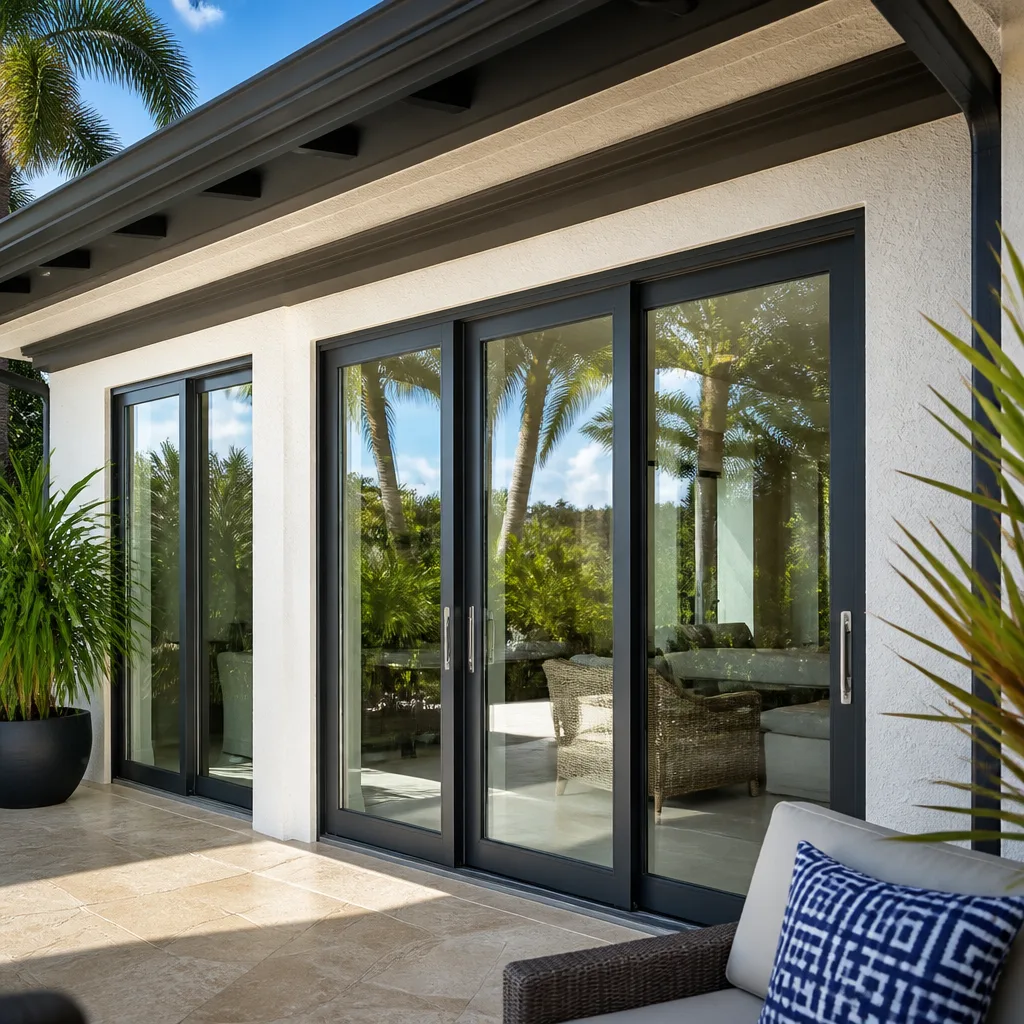
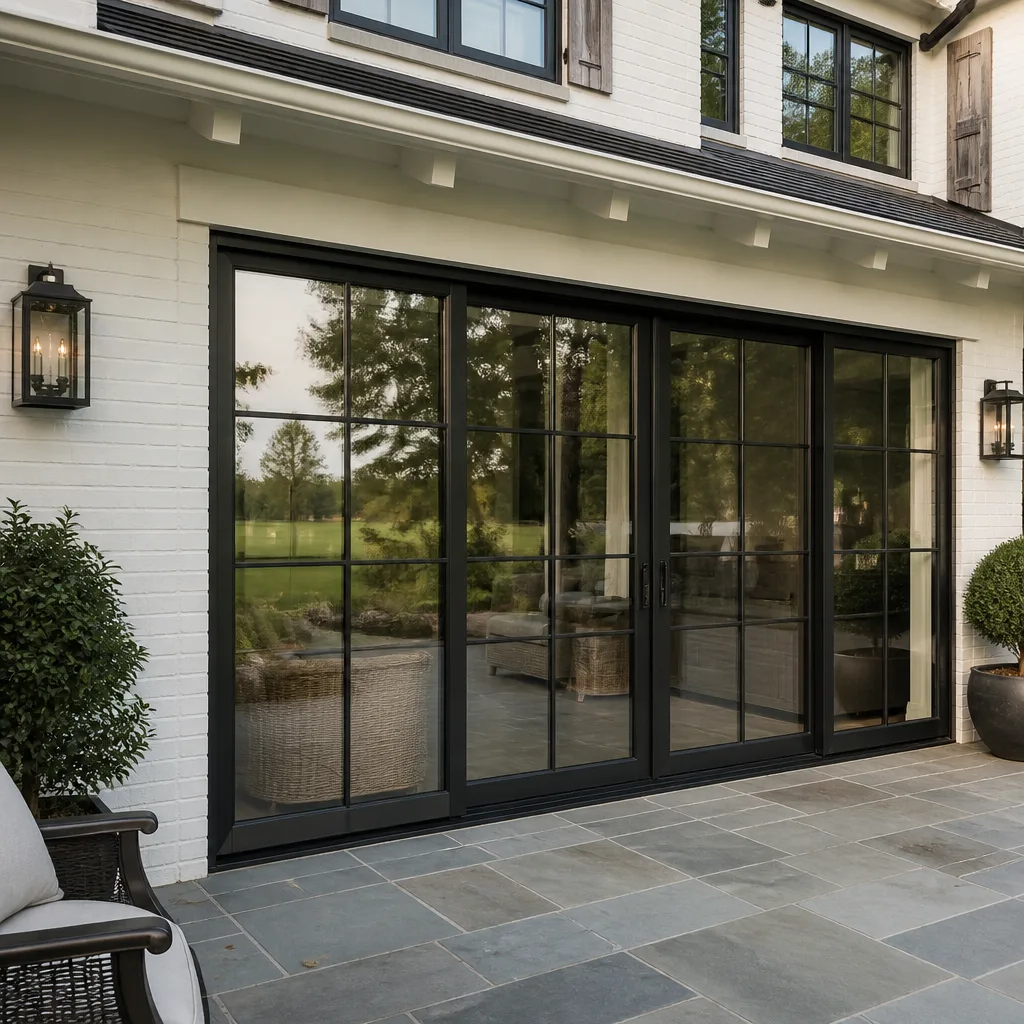
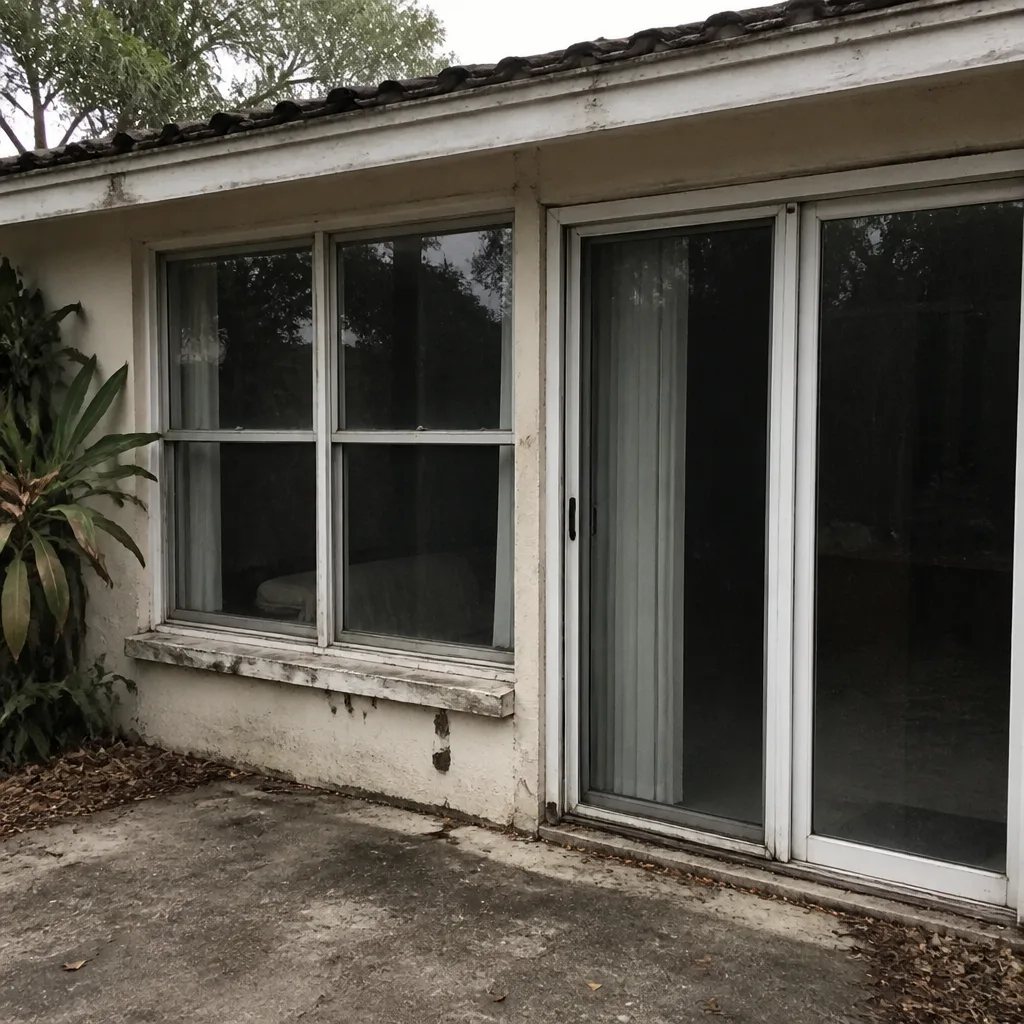 Before
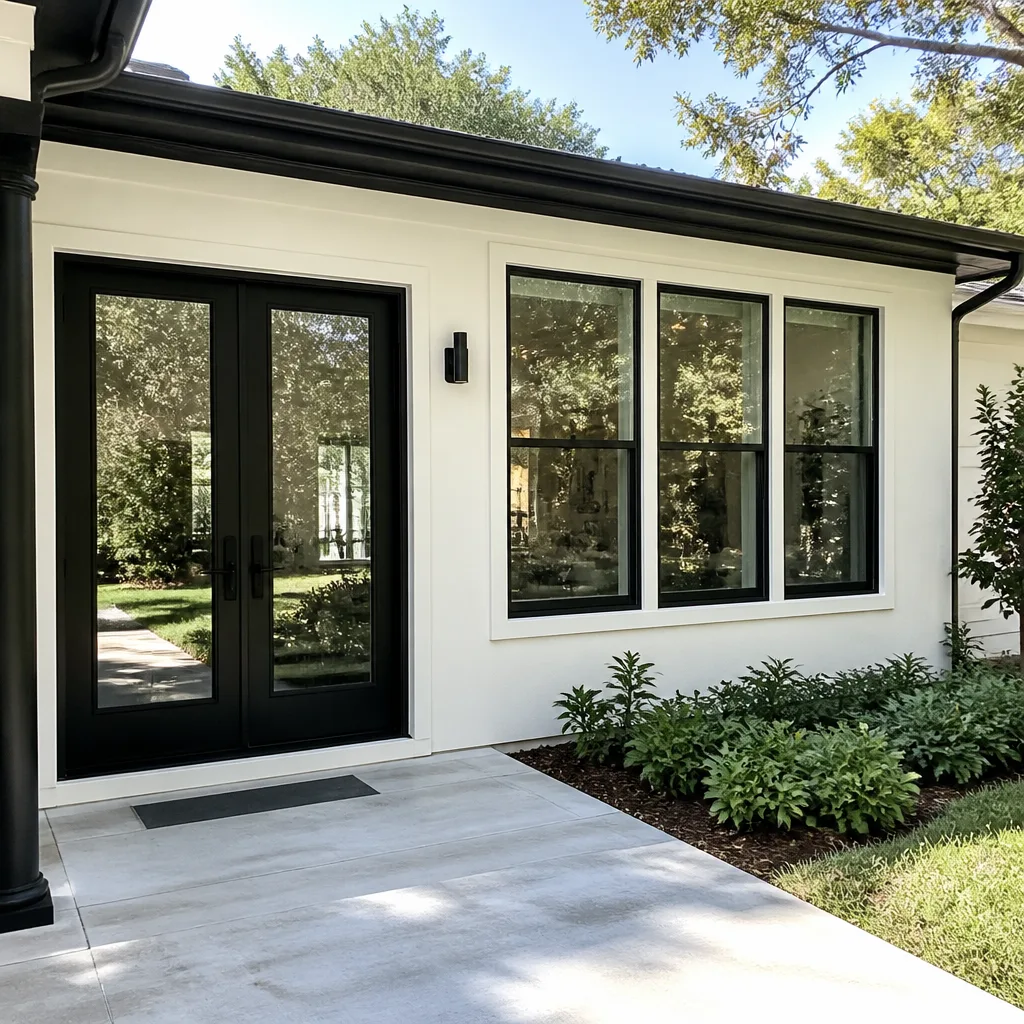 After
After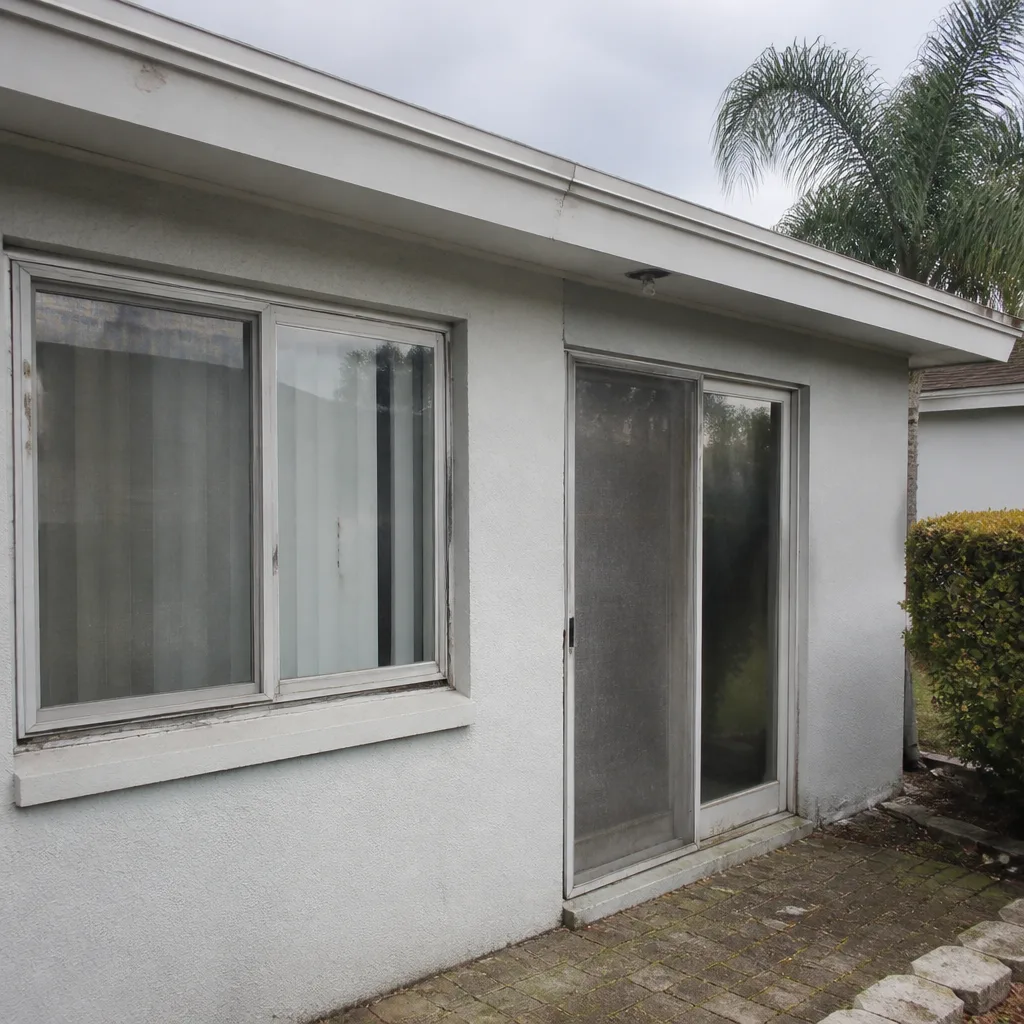 Before
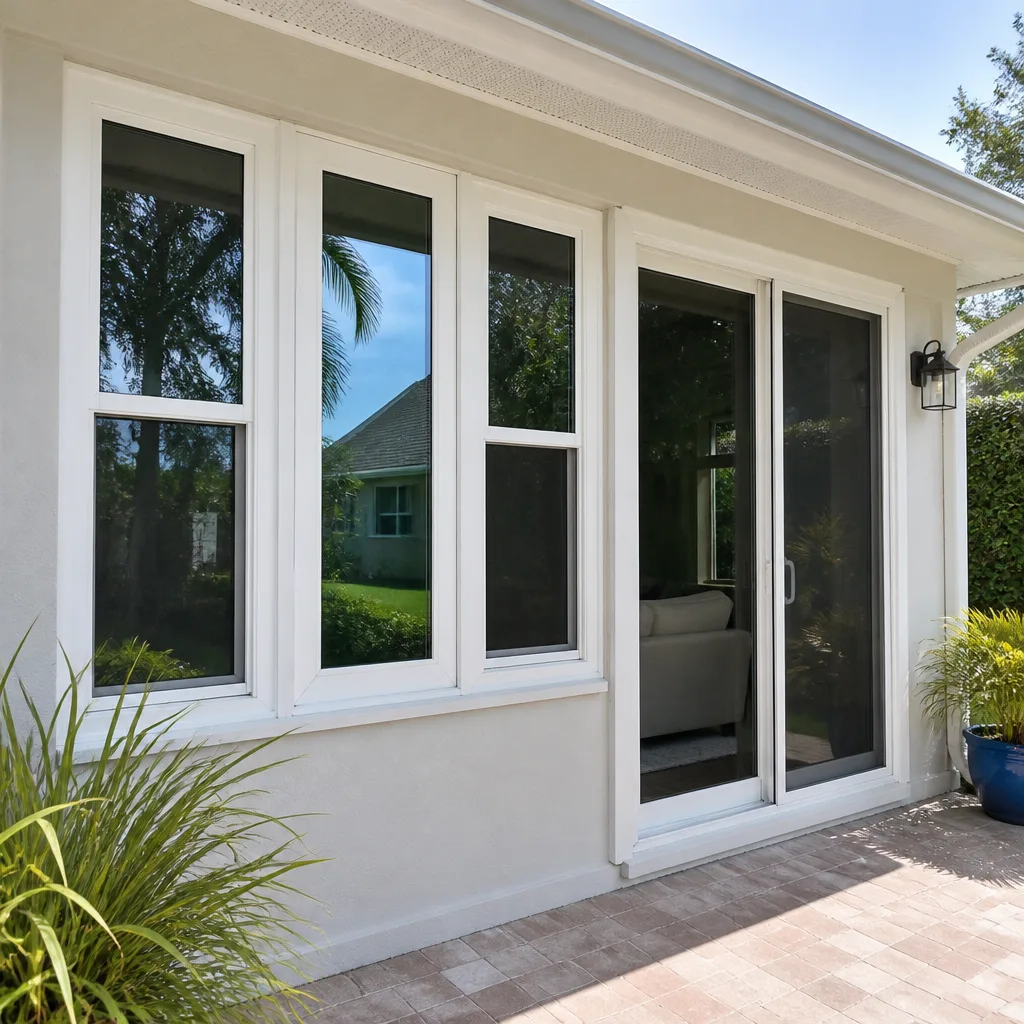 After
After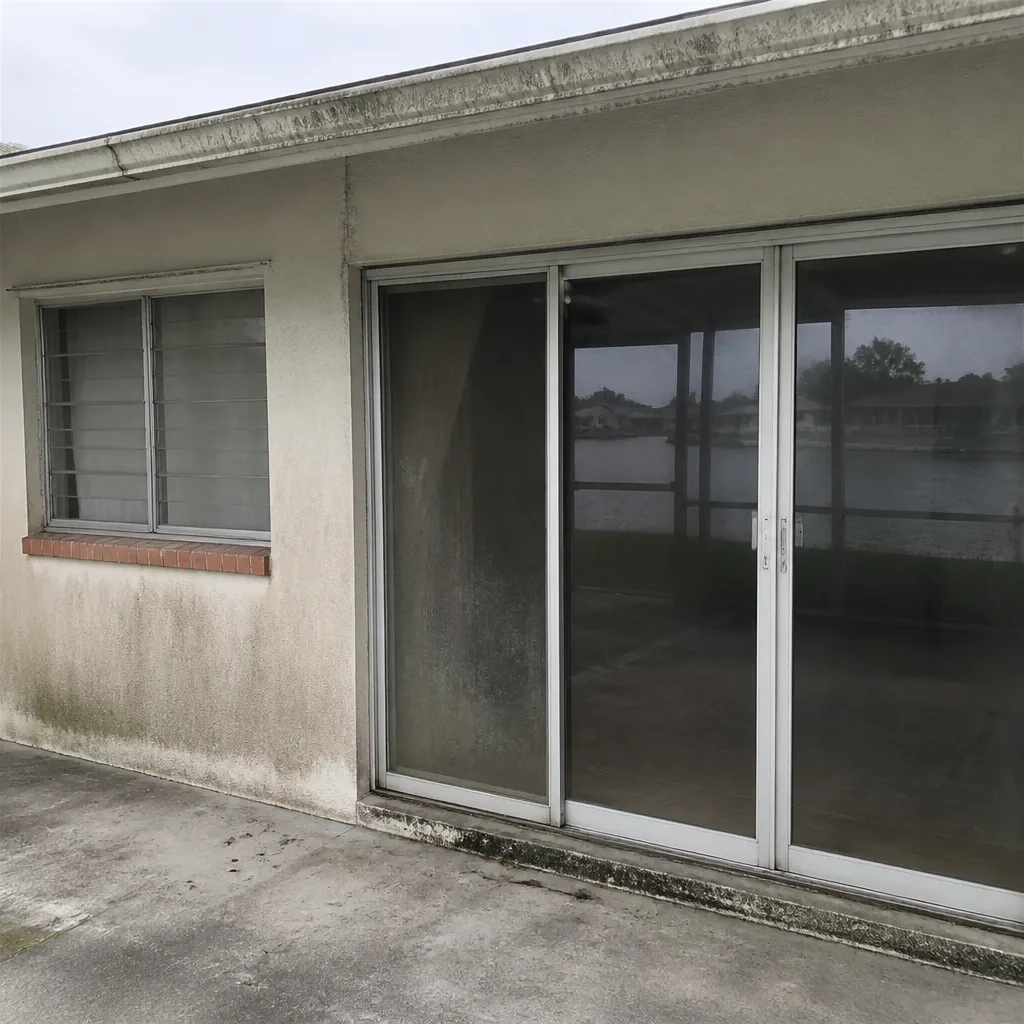 Before
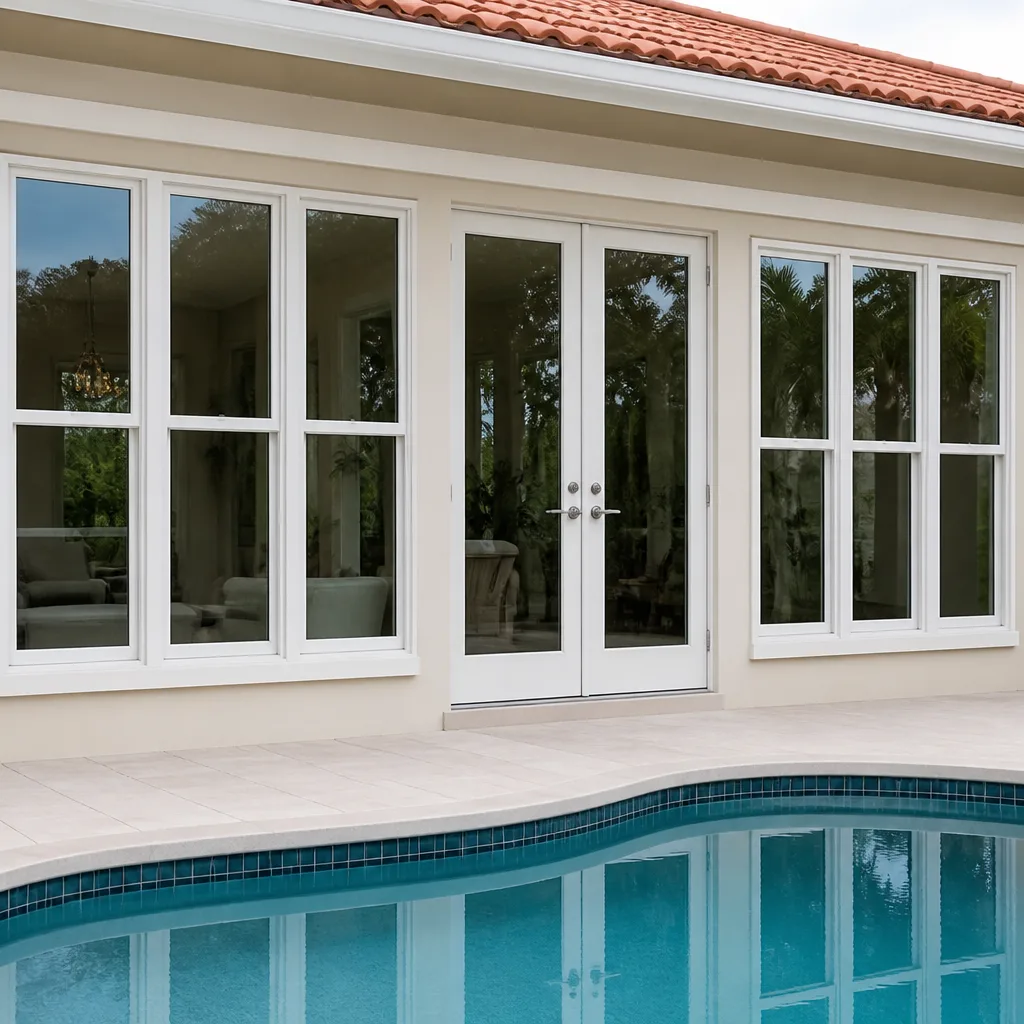 After
AfterWindows & Doors Permits, Codes & Inspections in FL: What You Need to Know
Florida does not require a permit to replace a window with an identical unit in an identical opening. That sentence has probably misled more Sarasota homeowners than any other line in the state code. The word “identical” carries a legal definition that excludes most modern impact upgrades, and the homeowner who skips the permit on that assumption leaves behind an unpermitted improvement that will surface during a title search, a refinance, or a sale inspection. This guide walks through the actual decision tree a homeowner faces in Sarasota, where county rules, city rules, wind speed thresholds, and product approval documentation all intersect in ways the state code never quite explains. For a deeper look at the full process, see our Complete Guide to Windows & Doors in Sarasota.
Quick Answer
Most window and door replacements in Sarasota require a permit, a product approval showing the unit meets Florida’s wind load standards, and at least one on-site inspection. The permit must be pulled from the correct authority, which depends on whether the property sits in unincorporated Sarasota County, the City of Sarasota, Venice, or North Port. Skipping the permit is the most expensive shortcut a homeowner can take on a window job, because the cost of retroactive permitting plus the disclosure obligation at resale will exceed the permit fee by a wide margin.
Table of Contents
- Who Requires a Permit in Sarasota County and Why the Answer Varies by Address
- What the Florida Building Code Actually Says About Windows and Doors
- The High-Velocity Hurricane Zone: What It Means for Product Approvals
- The Inspection Sequence: Rough-In, Framing, and Final
- Who Pulls the Permit: Contractor, Homeowner, or Owner-Builder
- How Permit Records Attach to Your Property Title and What That Means at Sale
- Common Mistakes to Avoid
- When to Call a Professional
- Frequently Asked Questions
- The Bottom Line
Who Requires a Permit in Sarasota County and Why the Answer Varies by Address
A homeowner in Sarasota who calls the county and gets one answer, then calls the city and gets another, has not been misled. They have discovered the patchwork of permit authorities that governs a single contiguous geography. Four separate agencies issue and track window and door permits across the Sarasota metro area, and the one that applies to your job depends entirely on the mailing address and the tax parcel boundaries.
Unincorporated Sarasota County falls under Sarasota County building services. The City of Sarasota operates its own building department with its own fee schedule and its own inspector roster. Venice runs its own permit counter. North Port, which has grown faster than any other municipality in the county over the last two decades, has its own building division and its own interpretation of several code sections. A permit pulled from the wrong authority is not transferable. The correction costs time, and on a job where the old window is already out of the wall, time is moisture intrusion.
Here is the practical breakdown:
- Unincorporated Sarasota County: County permit required for any window or door replacement that changes the size of the rough opening, alters the structural framing, or changes the product type from non-impact to impact.
- City of Sarasota: City permit required for the same scope, but the city treats “like-for-like” replacement more strictly than the county in some subdivisions, particularly in historic districts where design review adds a layer before the building permit is issued.
- Venice: Venice enforces its own wind load documentation standards and has a reputation among contractors for requiring product approval paperwork that other jurisdictions accept without comment.
- North Port: North Port’s permit process is fast for simple replacements, but the city’s inspectors are exacting about flashing details and sill pan installation at the rough-in stage.
When we work on a home in Palmer Ranch or Lakewood Ranch, we check the parcel first. The address line says Sarasota, but the jurisdiction may be county, and the answer changes the permit path. This is the kind of detail that does not appear on a state-code summary website.
What the Florida Building Code Actually Says About Windows and Doors
The Florida Building Code, currently in its 8th edition with 2023 updates adopted statewide, sets the baseline. Every window and door installed in Florida must meet one of two sets of wind load requirements depending on where the property sits: the High-Velocity Hurricane Zone provisions that apply to Miami-Dade and Broward counties, or the standard wind load provisions that apply everywhere else in the state. Sarasota falls under the standard wind load provisions, but the effective design wind speed for most of the county runs higher than the state minimum, which pushes many Sarasota installations into product approval territory that looks a lot like HVHZ in practice.
The state code also sets the energy performance requirements. Windows and doors in Sarasota must meet the Florida energy code’s U-factor and solar heat gain coefficient thresholds, which in this climate zone means low SHGC values to reduce cooling load. A cheap window that meets the wind load standard but fails the SHGC requirement will not pass inspection, no matter how well it is installed.
The code sections that matter for most homeowners:
- FBC Residential Chapter 6: wall construction, including window and door openings, flashing, and water-resistive barrier requirements.
- FBC Existing Building Chapter 7: the rules for alterations and repairs to existing structures, including replacement windows and doors.
- FBC Energy Conservation Chapter 4: the energy performance standards that determine which units can be installed in Sarasota’s climate zone.
The state code is available online, but it reads like a statute because it is one. The sections cross-reference each other in ways that make a straightforward question, such as whether a replacement door needs a new lintel, produce an answer that depends on three other sections and the wind speed map. That is why a permit application includes a set of drawings or specifications, and why the building department reviews those documents before the first cut is made in the wall.
The High-Velocity Hurricane Zone: What It Means for Product Approvals
Sarasota County is not in Miami-Dade or Broward, so the formal High-Velocity Hurricane Zone code provisions do not apply here as they do on the east coast. But the effective design wind speed for much of Sarasota County, particularly the western half toward the Gulf, runs at or above 140 mph for Risk Category II structures. That threshold triggers the same practical requirement: the window or door must carry a Florida Product Approval or an NOA, which stands for Notice of Acceptance, issued by Miami-Dade County and used statewide as the benchmark for impact product documentation.
In plain terms, you cannot install any window or door in most of Sarasota without a product approval number that demonstrates the unit was tested to the design pressure rating for your specific opening size. The opening size matters. A impact window tested and approved for a 4-foot by 5-foot opening is not automatically approved for a 6-foot by 8-foot opening. When a contractor quotes a product line, the approval number must match the actual size and configuration of each opening on the permit drawings. A mismatch between the product approval and the opening size is one of the most common reasons for a failed rough-in inspection in Sarasota.
Manufacturer lines we install regularly, including PGT and Therma-Tru, carry Florida Product Approvals for a wide range of sizes. The approval documentation is part of the job file. We pull the approval sheets at quoting time, not at inspection time, because a permit application that lists an approval number for the wrong size gets rejected by plan review before an inspector ever arrives.
Homeowners in barrier island communities such as Siesta Key, Longboat Key, and Casey Key should know that their properties fall in the highest wind speed contour in the county. The product approval requirements there are the strictest, and a window that passes inspection in a mainland home may not be approvable for the same opening on the barrier islands if the design pressure rating comes up short.
The Inspection Sequence: Rough-In, Framing, and Final
Window and door permits in Sarasota follow an inspection sequence that rewards a contractor who works in the right order and penalizes a homeowner who lets the installer finish the job before the inspector arrives. The sequence is the same in concept across all four permit authorities, with minor variations in scheduling and process.
- Rough-in inspection: This inspection happens after the old unit is out and the opening is prepared, but before the new window or door is set in place. The inspector checks the opening dimensions, the condition of the existing framing, the header or lintel, and the flashing details. In impact zone applications, the inspector also verifies the fastening schedule against the product approval. A failed rough-in means the installation stops until the problem is corrected.
- Framing inspection: If the job involves resizing an opening, moving a door, or adding a new opening, the rough framing must be inspected before any finish work covers it. This inspection verifies the structural members, the connections, and the load path. In Sarasota, a framing inspection is almost always required when a sliding glass door becomes French doors, or when a window gets widened for a larger glass package.
- Final inspection: The final inspection happens after the window or door is fully installed and trimmed. The inspector verifies the product installed matches the product approval, the energy label is visible, the hardware works, and the flashing and sealant details are complete. The final inspection is what closes the permit and creates the public record of a code-compliant installation.
A failed inspection is not the end of the world, but it is the end of the smooth schedule. If the installer has already finished the work, pulled the plastic off the windows, and swept up the glass before a failed rough-in, the homeowner carries the correction cost. The framing is covered. The flashing is behind the trim. The fix gets expensive. We pull rough-in inspections before we set the units because a correction at that stage costs an hour of labor. A correction after final costs a day or more, and sometimes a reorder of materials. If the pane is not true, the job is not done, and a bypassed inspection is not a shortcut.
Who Pulls the Permit: Contractor, Homeowner, or Owner-Builder
Florida law permits a homeowner to pull permits as an owner-builder for work on their own residence. The statute exists for legitimate reasons, mostly to protect the right of a competent homeowner to handle their own project without being forced to hire a licensed contractor. But the owner-builder path has implications that are rarely explained at the permit counter.
When a homeowner pulls the permit, the homeowner assumes the role of the contractor in the eyes of the building department and the state. The homeowner is responsible for scheduling inspections, correcting deficiencies, and closing the permit. More importantly for impact window work, the homeowner assumes the responsibility for the product approval documentation. A homeowner who pulls the permit and hires a crew to install the windows has no licensed contractor standing behind the installation. The product warranty remains valid because the manufacturer warrant provides coverage regardless of who installs, but the workmanship warranty evaporates. There is no workmanship warranty from a crew that has no contractor’s license and no company name on the invoice.
Insurance adds a second layer. A homeowner’s insurance policy covers the structure, but if an unpermitted or improperly permitted installation fails during a storm and the insurer determines the permit was pulled under an owner-builder exemption by someone who was not actually building the project themselves, the claim can become a coverage dispute. The insurer’s argument is straightforward: the homeowner misrepresented the work as self-performed, and the misrepresentation voids the coverage.
We pull every permit for the jobs we install. The permit is in our name, the inspections are our responsibility, and the 90-Day Done Right Promise covers the workmanship. That structure is not a marketing position. It is the only arrangement in which a homeowner can hold a company accountable for the work.
How Permit Records Attach to Your Property Title and What That Means at Sale
Permit records in Florida attach to the property parcel, not to the person who pulled the permit. The building department’s system records the permit against the tax ID and the legal description of the property. A title search done by a buyer’s closing agent discovers every permit ever issued for the property, and by omission, every improvement that should have had a permit but did not.
If you replace three windows in 2009 without permits and sell the house in 2026, the buyer’s title agent will pull the building department records and find no permit for the windows. The windows may be perfectly installed. The product approvals may be legitimate. The lack of a permit record creates a question, and the question becomes a closing item. The seller either completes a retroactive permit, which requires opening the walls to show the flashing and fasteners, or negotiates a price reduction, or the deal stalls. Retroactive permitting on windows and doors is not a paperwork exercise. It is the same inspection sequence, but with the added cost of exposing work that has been covered for years.
Florida’s seller disclosure laws require the seller to disclose latent defects and any known material facts that affect the value of the property. An unpermitted window replacement is a known material fact if the seller knows about it. Failing to disclose it transfers liability to the seller after closing. The combination of the title search and the disclosure obligation means an unpermitted window or door replacement has a way of finding the homeowner who authorized the shortcut.
We have pulled permits for the homes we have worked on for years, and the record is clean. That record is part of the value we deliver on every job in Sarasota. The building department file for your home should tell the next buyer that the windows were installed by a licensed contractor and inspected to code. Anything less is a liability you will eventually explain.
Common Mistakes to Avoid
- Assuming “like-for-like” means “no permit.” The state code exemption for identical replacement applies only when the old unit and new unit match in size, type, and structural characteristics. A standard impact upgrade is not identical to a non-impact original, and neither is a sliding door that becomes French doors. When in doubt, call the building department and ask for a written determination for your address.
- Pulling the permit from the wrong jurisdiction. A property with a Sarasota mailing address might fall under county jurisdiction, which means county permit fees, county inspectors, and a county permit portal. Pulling the permit from the city when the county is the authority wastes weeks.
- Letting the installer finish before the rough-in inspection. The rough-in is the inspector’s only chance to see the flashing, fasteners, and framing connections. Once the trim and casing cover the work, the inspector sees nothing, and the permit cannot be honestly closed.
- Buying windows on product approval numbers that do not match the opening sizes. Product approvals are size-specific. A PGT impact window approved for one opening size cannot be installed in a larger opening without a new approval calculation. The permit application will be rejected before the job starts.
- Skipping the permit to save the fee. Permit fees for window and door replacements in Sarasota run in the hundreds, not thousands. Retroactive permitting, disclosure negotiations, and the price reduction a buyer will demand for an unpermitted install all run in the thousands.
- Hiring a installer who refuses to pull permits. Any contractor who works by the rule “we can do it without a permit, it will be fine” is making a promise that will not be kept when the inspection never happens and the record stays blank.
- Ignoring the energy code. A window that meets wind load but fails the SHGC requirement will fail final inspection. The energy label matters as much as the product approval in Sarasota’s cooling-dominated climate.
When to Call a Professional
Replacing a window or door is not a DIY weekend project for most homeowners. The moment the job involves an impact upgrade, a changed opening size, or a door that moves from one location to another, the permit drawings, product approvals, and inspection scheduling become a full-time job on their own. A homeowner who has never read a product approval sheet should not be reading one for the first time while the old window is out and the Florida afternoon thunderstorm is rolling in.
If you are planning window or door work in Sarasota and want the permit, the product approvals, and the inspection sequence handled by a company that has done it thousands of times, TruePane Windows & Doors offers free estimates in Sarasota. Call (941) 214-2069 and we will put the scopes, the paperwork, and the schedule in writing before anyone touches the wall.
Frequently Asked Questions
In most cases, yes. A permit is required when the replacement changes the window type from non-impact to impact, alters the rough opening size, or changes the structural framing. A true identical replacement may qualify for an exemption, but the definition of identical is narrow. Call the building department with your address and the product specifications, or call (941) 214-2069 and we’ll confirm the requirement before you buy.
Window and door permit fees in Sarasota County and the City of Sarasota typically run between $150 and $400 for a replacement project, depending on the number of openings and the valuation of the work. The fee is based on the estimated job cost, so a full-house impact window replacement will be higher than a single window swap. Exact fees can be confirmed with the building department once the scope is defined.
The unpermitted improvement will show up as a gap in the building department records during the buyer’s title search. The seller will face a retroactive permit, a price concession, or both. Florida law also requires disclosure of known material facts, so failing to disclose an unpermitted window replacement passes the liability to you after closing.
A product approval is a document that proves a specific window or door model, in a specific size, was tested to withstand the design wind pressure for your location in Sarasota. Most of Sarasota County falls in a wind speed contour that requires product approval documentation, and the approval number must match the actual opening size on the permit application.
Florida allows owner-builder permits, but pulling your own permit on impact window work makes you the contractor of record. You assume responsibility for inspections and product approvals, and you forfeit the workmanship warranty a licensed contractor would otherwise provide. The insurance implications are real, especially when storm damage later involves an installation question.
A straightforward window or door replacement permit in Sarasota usually takes one to two weeks for plan review, then the inspections are scheduled at rough-in and final stages. The full process often runs two to four weeks from application to closed permit, depending on the jurisdiction and inspector availability. Call (941) 214-2069 for a timeline on your specific project, and we’ll walk you through the schedule before you sign anything.
The Bottom Line
Window and door permits in Florida are not optional paperwork. They are the mechanism that verifies the product, the installation, and the structure meet code, and the record that survives the sale of your home. Sarasota’s patchwork of permit authorities, wind speed thresholds, and product approval requirements means the answer to “do I need a permit?” depends on the address, the opening size, and the product type. Skip the shortcut. Pull the permit, schedule the inspections in order, and the job closes clean. A square deal on a window job starts with a permit record that leaves nothing to explain later. For warning signs every Sarasota homeowner should watch for, see our dedicated guide.
Written by Dale Kessler, Owner at TruePane Windows & Doors, serving Sarasota since 2008. Explore more guides & resources on windows and doors.
Six Reasons Homeowners Choose TruePane Windows & Doors
Impact systems engineered to design pressures up to +/-100, matched to your wind zone - your openings hold when the storm arrives.
Low-E insulated impact glass from our manufacturer lines commonly cuts monthly cooling bills 20-30%.
Laminated impact glass shuts out up to 40% of outside noise - traffic, neighbors, weather.
Monitoring services run $30-90 a month. Laminated impact glass resists forced entry around the clock, with no subscription.
Florida homeowners average around 25% savings on the windstorm portion of their policy after protecting every opening - some homes qualify for more.
A full impact package upgrades curb appeal, buyer confidence and appraised value in one project.