
Last updated August 28, 2026
Free in-home measure and quote - PGT, CGI and CWS impact lines compared on your actual openings, style by style
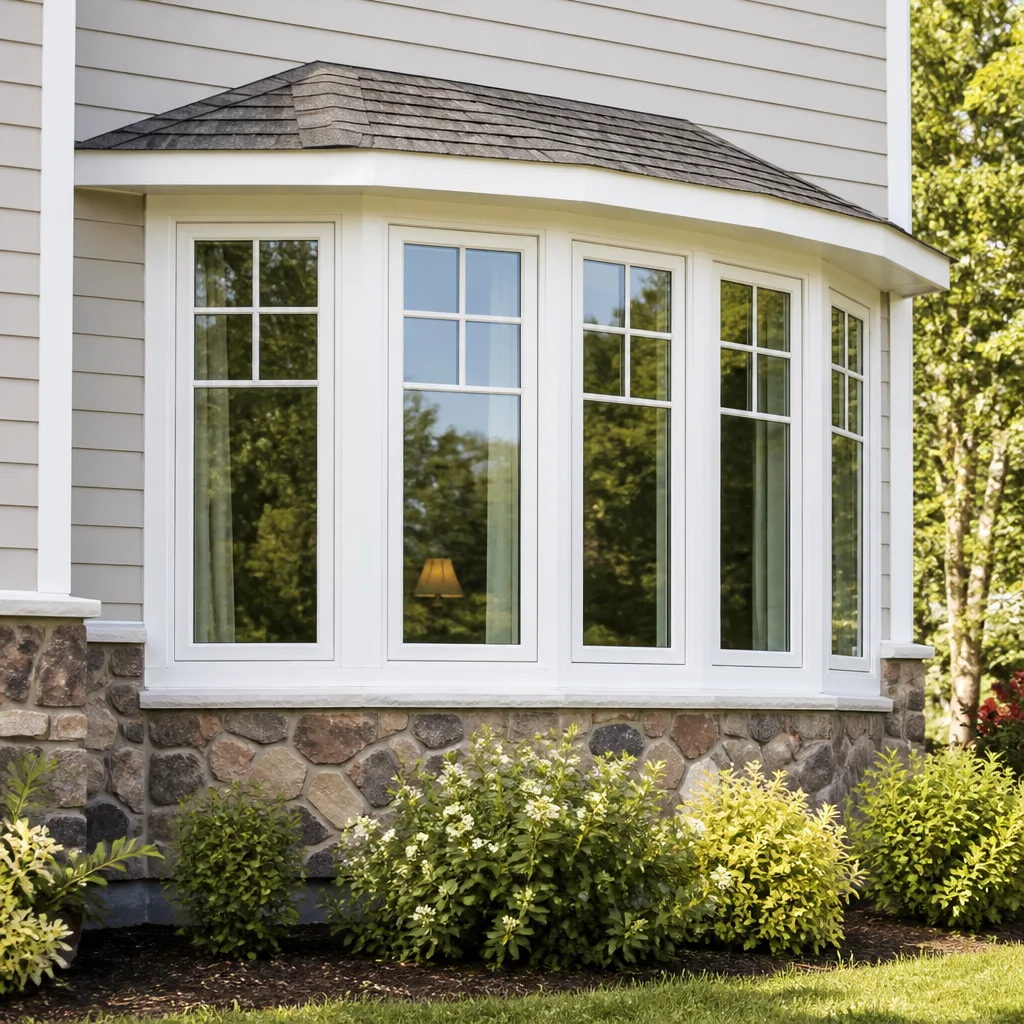
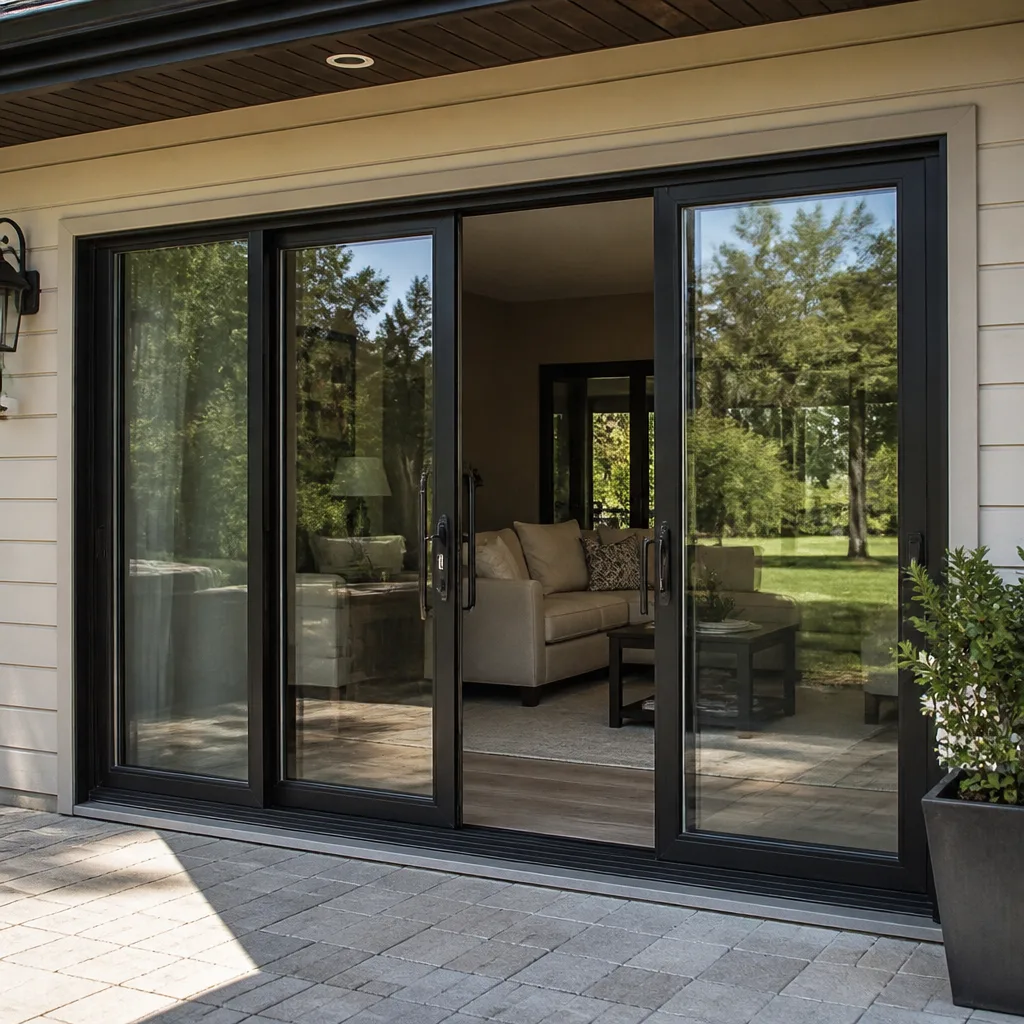
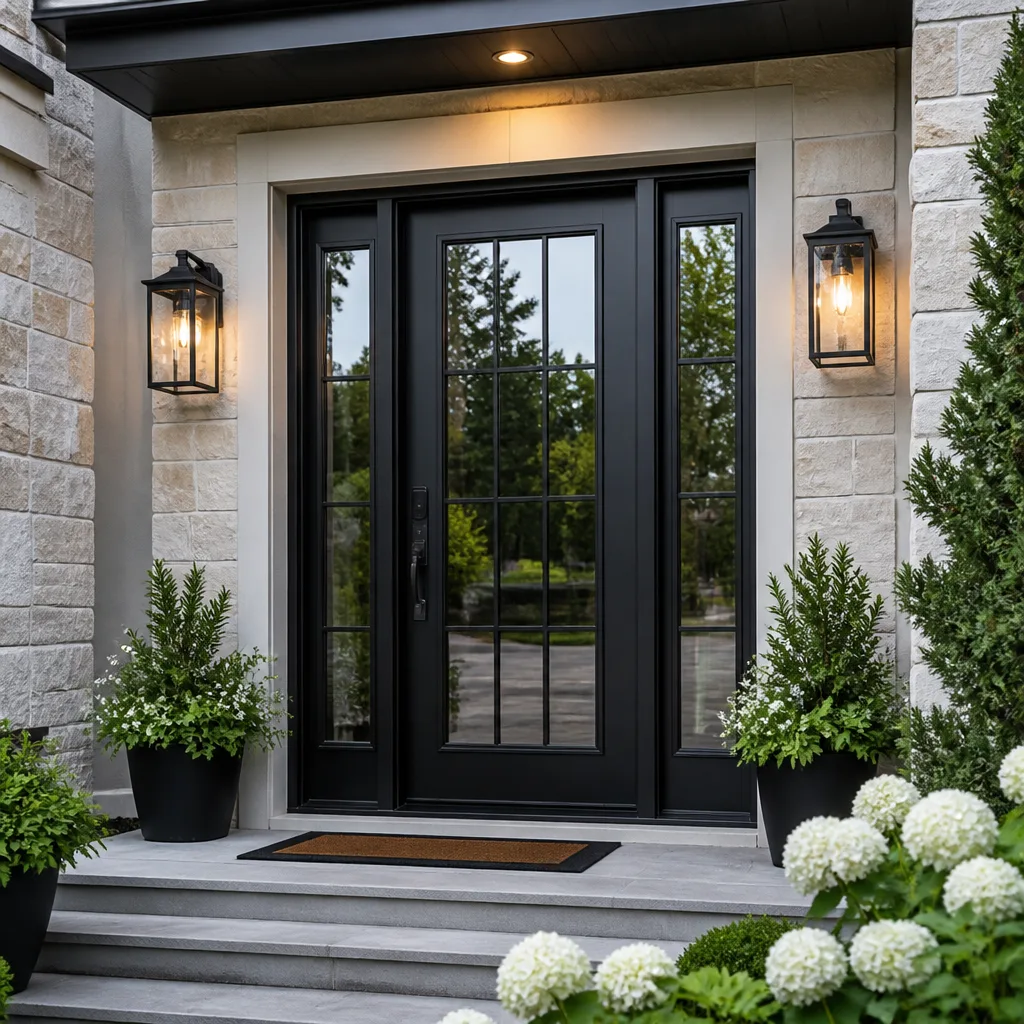
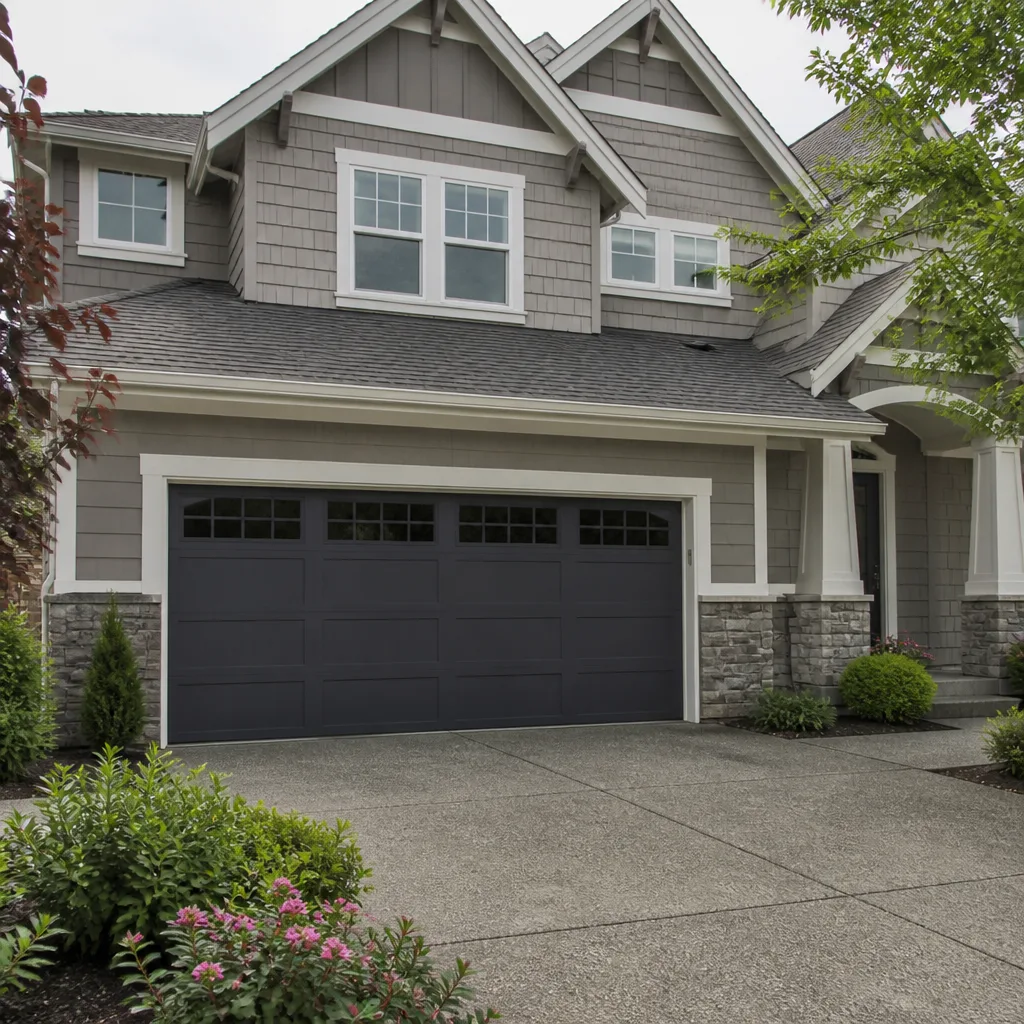
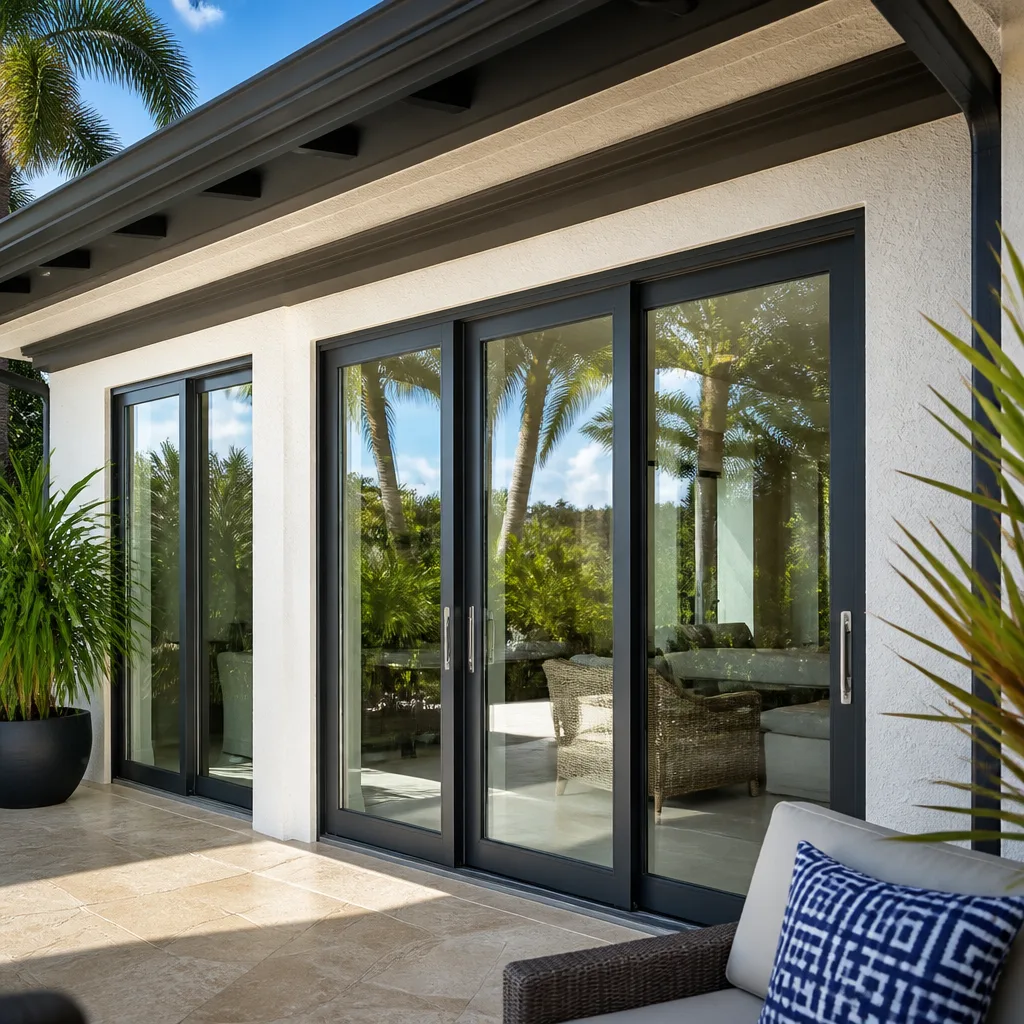
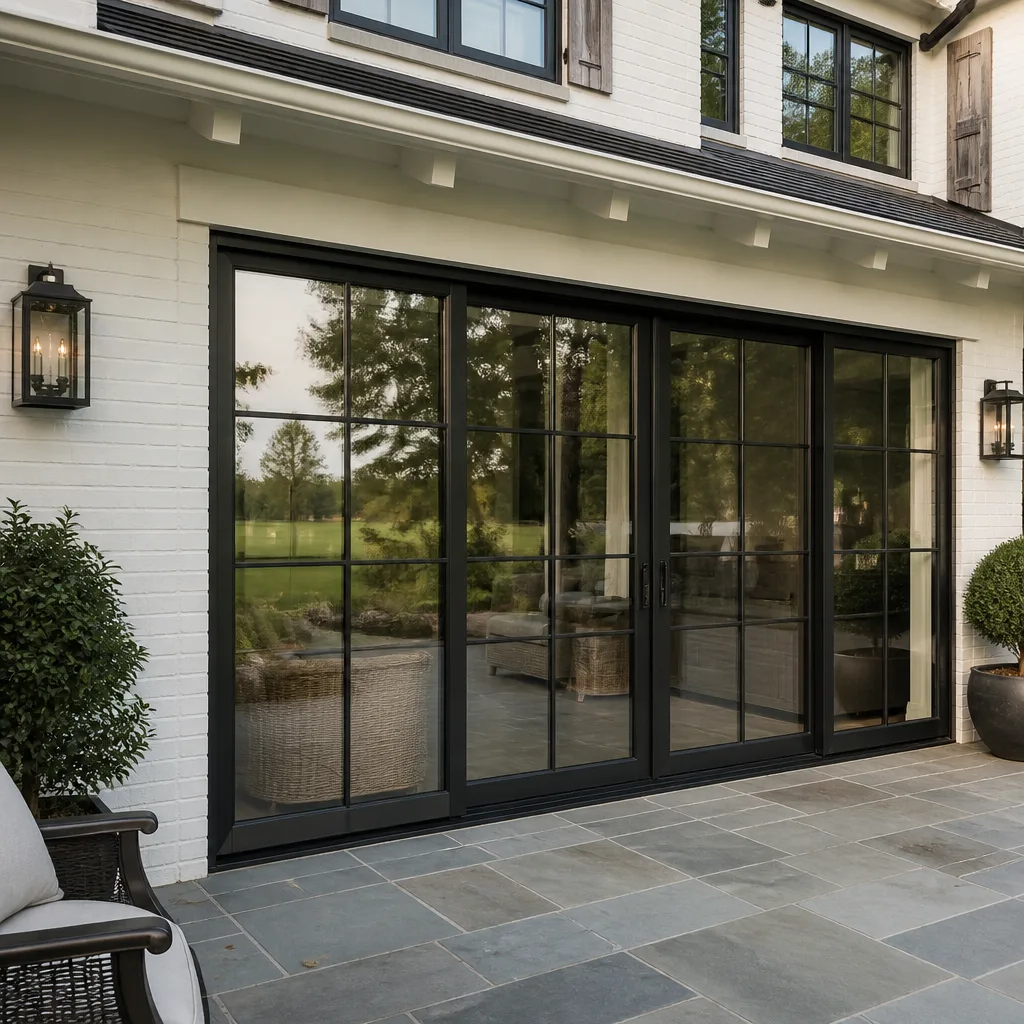
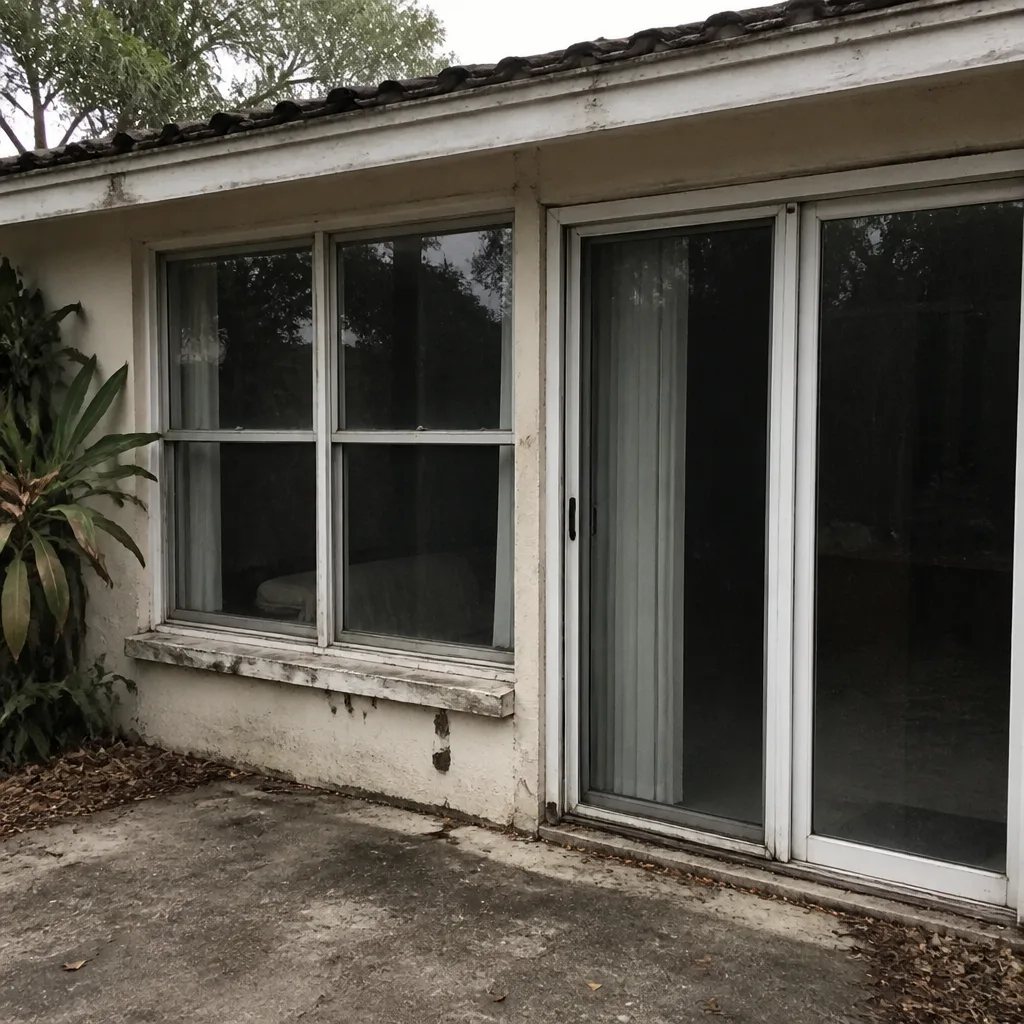 Before
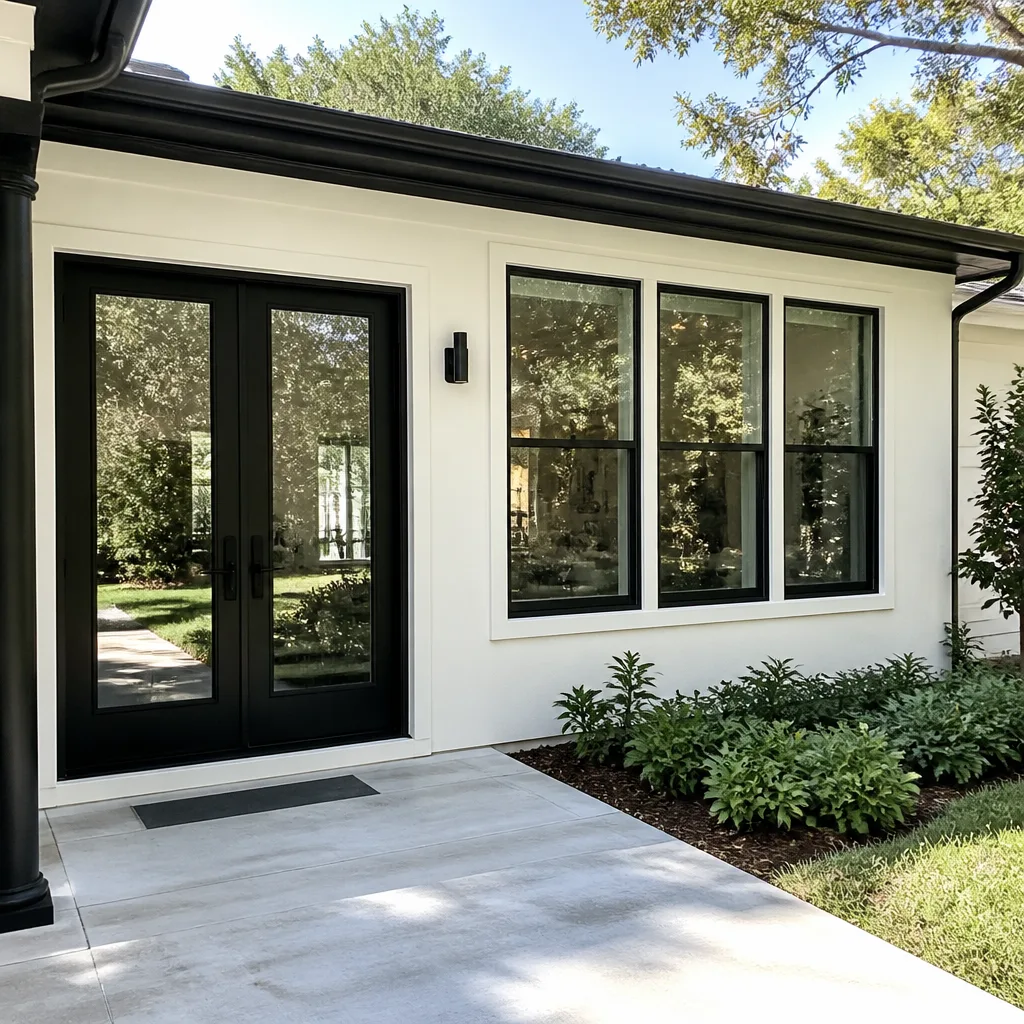 After
After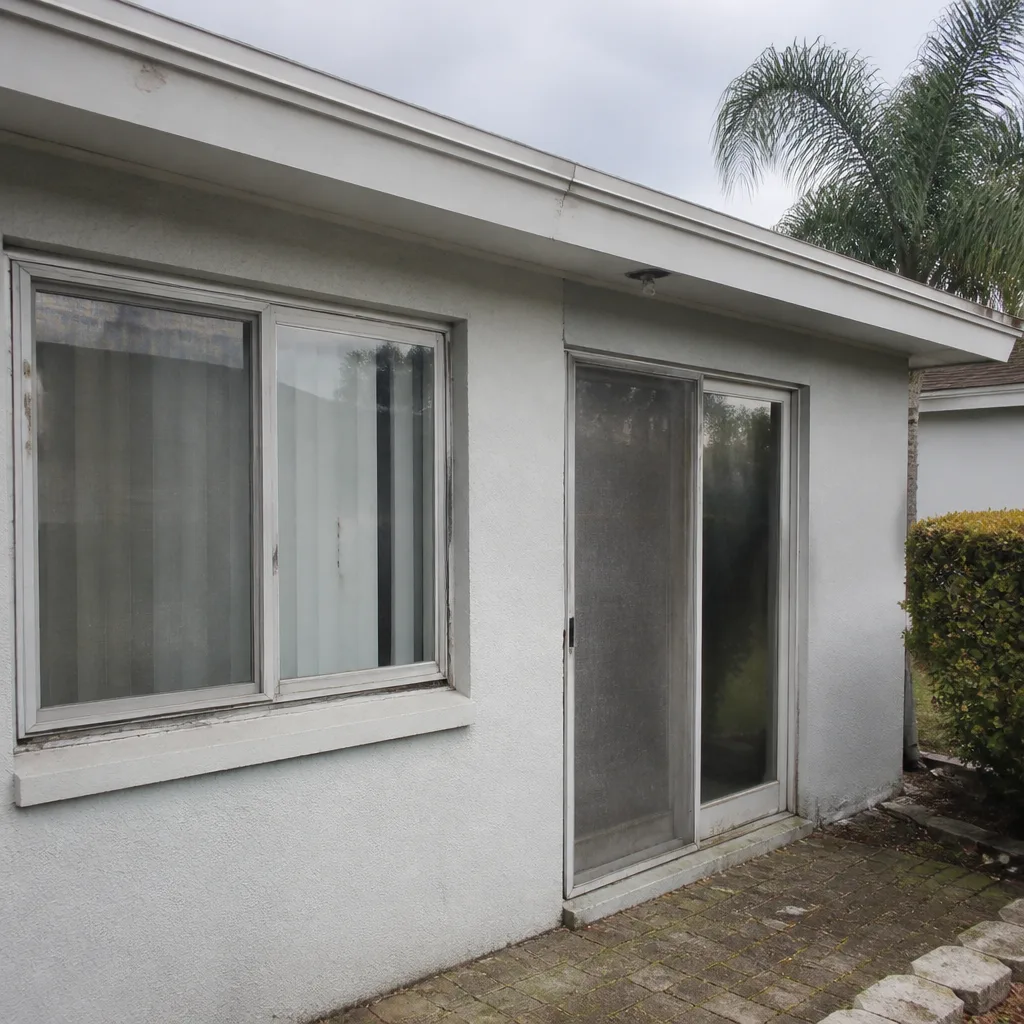 Before
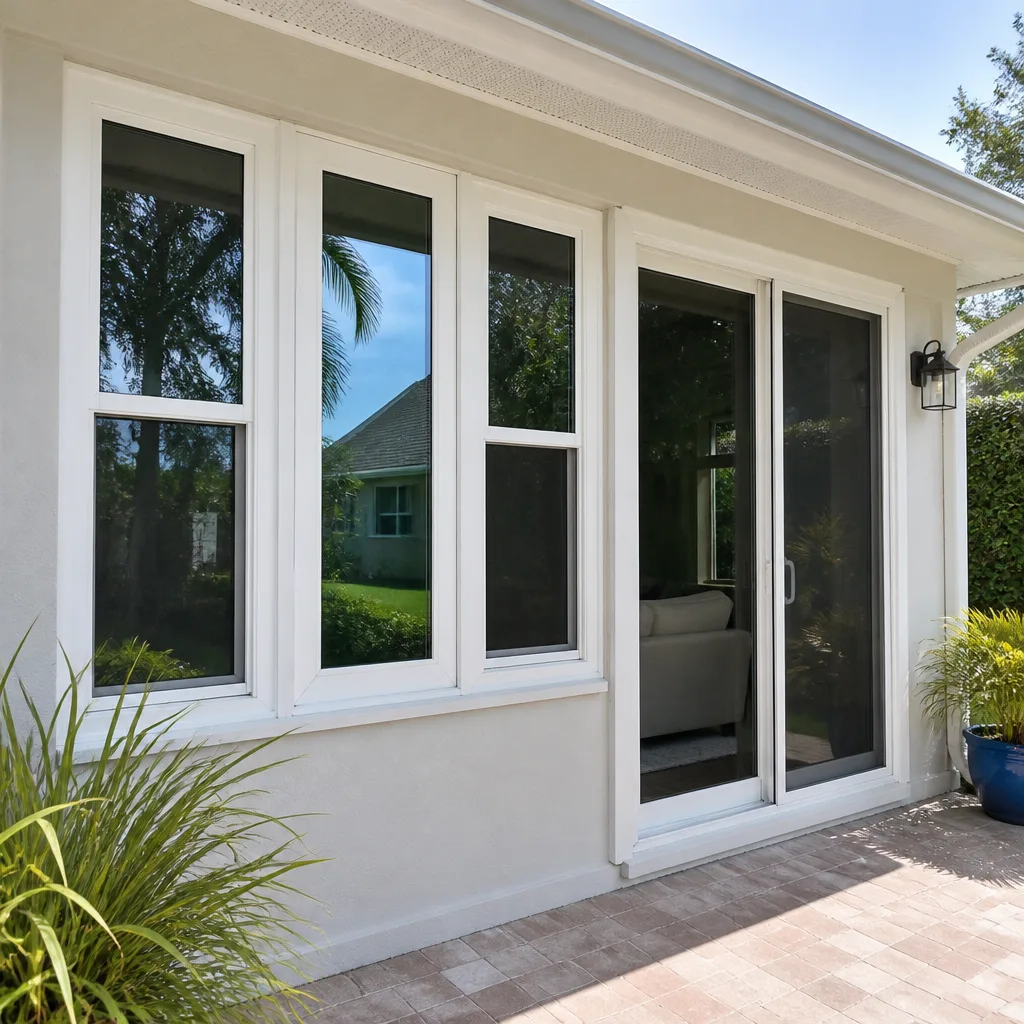 After
After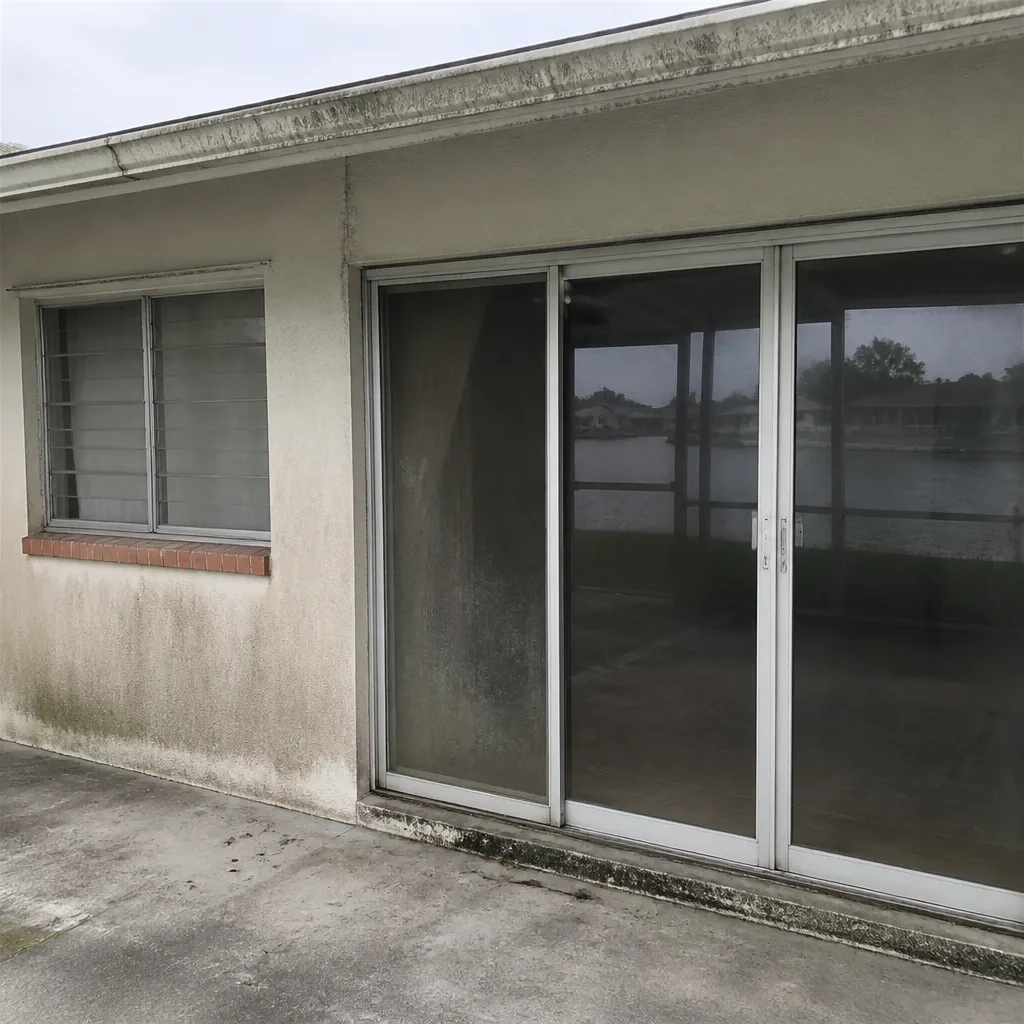 Before
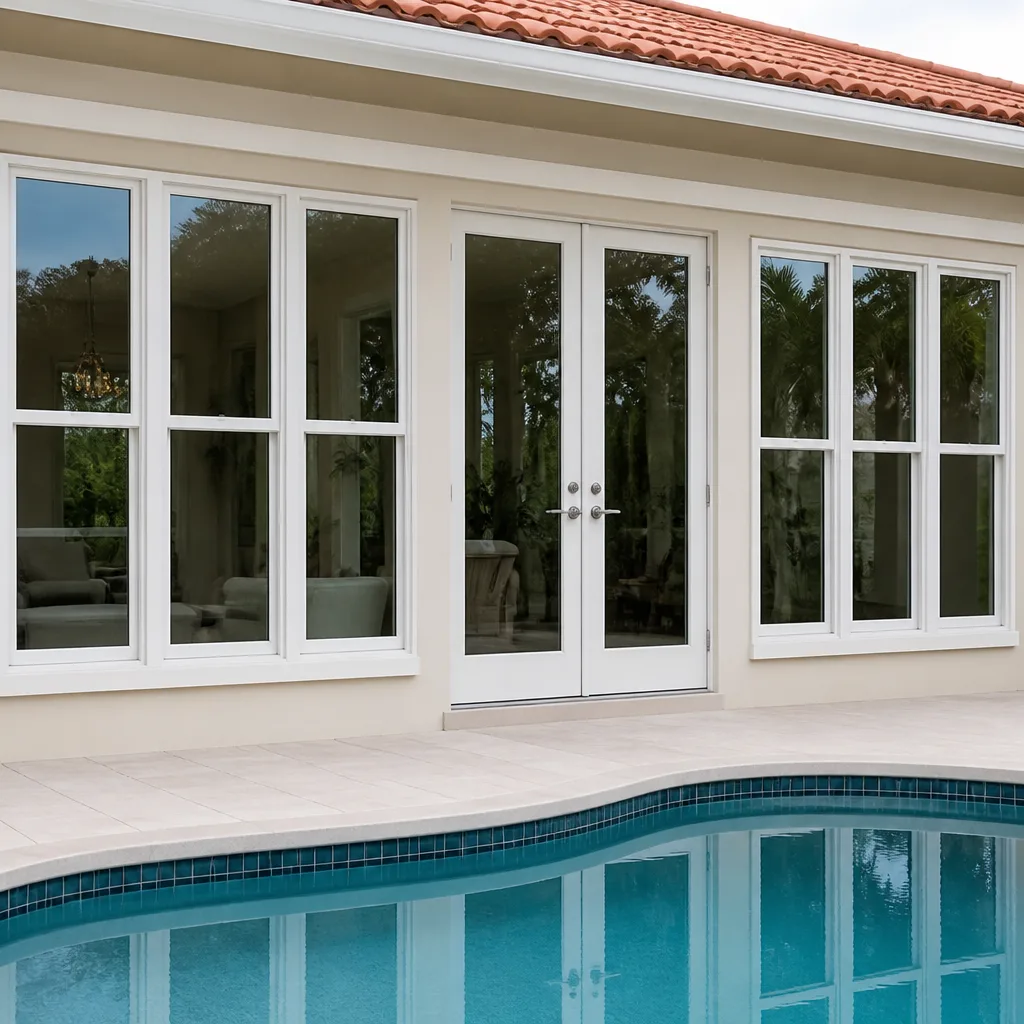 After
AfterThe Complete Guide to Windows & Doors in Sarasota
A window rated for Miami-Dade impact compliance can still fail prematurely in Sarasota’s barrier island corridor because salt spray degradation of frame seals is a separate failure mode that no impact rating measures. That single fact reshapes how a smart Sarasota homeowner should think about every window and door decision, and it is almost never mentioned in generic Florida window guides. This guide is written for people who live here, deal with the salt and the sun and the storms, and want the work done right the first time. For DIY vs Professional Windows & Doors: The Sarasota Homeowner’s Decision Guide and more, explore our resources. We’ll cover coastal exposure zones, code compliance, insurance credits, permit sequences, and the hidden cost of the lowest bid in Sarasota.
Quick Answer
The right windows and doors for a Sarasota home depend on your exposure zone: barrier island properties need aluminum or reinforced vinyl frames with stainless hardware and Miami-Dade NOA-approved impact glazing, while inland homes can often use standard impact-rated units with vinyl or aluminum frames at a lower cost. Sarasota County and the City of Sarasota both require permits and inspections, the insurance wind mitigation credits range from roughly $400 to $2,800 per year depending on your policy and product choices, and the lowest bid routinely omits registered manufacturer warranty documentation that protects you when a seal fails in year four.
Table of Contents
- How Sarasota’s Coastal Exposure Zones Change Your Window and Door Choices
- Hurricane-Rated, Impact-Rated, and Miami-Dade NOA: What Actually Matters in Sarasota
- Florida Insurance, Wind Mitigation Credits, and What Sarasota Homeowners Can Expect
- The Permit Sequence: Sarasota County vs. City of Sarasota
- Frame Materials That Survive Sarasota: Aluminum, Vinyl, and What Fails
- Glass Packages, Low-E Coatings, and Salt Air: Choosing Glazing for Sarasota
- The Lowest Bid in Sarasota: What It Costs When a Seal Fails in Year Four
- Questions to Ask Before You Sign a Window or Door Contract in Sarasota
How Sarasota’s Coastal Exposure Zones Change Your Window and Door Choices
Sarasota is not one climate. The difference between a home on Siesta Key and a home east of I-75 is measurable in salt deposition, wind load, and UV degradation. We’ve replaced windows on Lido Key that were ten years old and showed frame pitting that inland windows don’t show in thirty years. If you live west of the Trail, your windows live in a different environment than a home in Palmer Ranch or Lakewood Ranch.
Barrier island properties, including Siesta Key, Lido Key, Longboat Key, and Casey Key, sit directly in the salt spray corridor. Salt settles on frames, tracks, hardware, and seals. Aluminum frames without a marine-grade finish will pit. Standard hardware will corrode. Rubber and silicone seals dry and crack faster under salt plus UV. For these properties, we recommend marine-grade aluminum or reinforced vinyl frames with stainless steel hardware and high-quality glazing. ES Windows and CWS both make product lines specifically engineered for coastal salt environments, and we quote both regularly for barrier island work.
Inland Sarasota, from roughly the Trail east to I-75 and beyond, has a different failure profile. Salt is less aggressive, but heat and UV are relentless. Vinyl frames hold up well inland, aluminum is still a solid choice, and wood-clad windows can perform if maintained. The glazing package matters more than the frame here, because cooling loads dominate. Homes in Gulf Gate, South Gate, and the neighborhoods around Bee Ridge Road benefit from Low-E coatings tuned for solar control rather than coastal corrosion resistance.
One more distinction worth knowing: homes within one mile of the Gulf but not on a barrier island, like parts of Osprey and western Nokomis, sit in a transition zone. We’ve found that treating them like barrier island properties only costs more. Treating them like inland properties risks premature hardware failure. A site-specific assessment of existing window conditions, prevailing wind direction, and landscaping cover is the only reliable way to choose correctly.
Hurricane-Rated, Impact-Rated, and Miami-Dade NOA: What Actually Matters in Sarasota
Three different terms get used interchangeably in Sarasota window sales, and they mean different things. Understanding the difference before you sign prevents a failed inspection or a voided insurance claim.
A hurricane-rated window is a loose marketing term. It implies the window met some standard, but it doesn’t tell you which one. Don’t make a purchase decision based on that phrase alone.
An impact-rated window has passed testing that simulates windborne debris strikes and pressure cycling, typically under Florida Building Code standards. If the window carries a Florida Product Approval number, it can be used in windborne debris regions. Most of Sarasota County is in a windborne debris region, meaning impact protection is required for new construction and for replacement windows that are not protected by shutters or panels.
A Miami-Dade NOA (Notice of Acceptance) is a stricter standard administered by Miami-Dade County. Products with a Miami-Dade NOA have passed a more demanding test protocol, including larger missile impacts and higher pressure cycles. Some Sarasota building officials ask for Miami-Dade NOA documentation even when Florida Product Approval would technically suffice. It’s also what most insurers recognize without hesitation. If you’re replacing windows on a barrier island in Sarasota, Miami-Dade NOA-rated products from manufacturers like CGI, PGT, or ES Windows remove friction from both the permit office and your insurance agent’s desk.
What matters for Sarasota building department approval is that the product carries either a valid Florida Product Approval or a Miami-Dade NOA, and that the installation follows the manufacturer’s published installation instructions exactly. We register both warranty layers in writing and match the product to the opening before the permit is pulled. The permit office cares about the paperwork matching the product. The insurance company cares about the same thing.
Florida Insurance, Wind Mitigation Credits, and What Sarasota Homeowners Can Expect
Florida’s property insurance market has changed more in the last five years than in the previous thirty. Citizens Property Insurance, the state-backed insurer of last resort, has taken on a large share of Sarasota policies. Citizens surcharges and rate adjustments are set by the state and are not tied to your individual home’s construction. But the wind mitigation credits available on your policy are directly tied to which windows and doors you install and how well they’re documented.
Here’s what we tell Sarasota homeowners to expect, based on what we’ve seen on insurance documents over the last several years:
- Opening protection credits: Impact-rated windows and doors with proper documentation typically reduce the windstorm portion of a policy by 15% to 35%. On a $6,000 annual premium, that’s $900 to $2,100 per year.
- Roof-to-wall connection credits: These are separate from windows, but a wind mitigation inspection that shows both opening protection and a strong roof-to-wall connection produces the largest combined credit. Windows alone don’t maximize the discount.
- Documentation quality matters: Insurers in Sarasota increasingly audit wind mitigation credits. If the product approval numbers don’t match the installed products, the credit gets clawed back. We provide homeowners a copy of every product approval document and both warranty registrations for exactly this reason.
If you’re replacing windows and doors in Sarasota and you plan to claim the credit, keep the permit record, the product approval documents, and the wind mitigation inspection report in one folder. You’ll need all three if your insurer requests an audit. A surprising number of homeowners lose their credit because they threw away the paperwork, not because the installation was deficient.
The Permit Sequence: Sarasota County vs. City of Sarasota
Sarasota County and the City of Sarasota are two separate jurisdictions with different permit offices, different inspection cadences, and different form requirements. If you live in unincorporated Sarasota County, you deal with the county. If your address is within the city limits, you deal with the city. The line between them is not always obvious, and we’ve seen homeowners pull permits from the wrong agency and lose two weeks fixing it.
Here’s the typical sequence, step by step:
- Confirm jurisdiction. Your address determines whether you pull from Sarasota County or the City of Sarasota. The two agencies do not share permit records. Guessing costs time and money.
- Prepare the permit package. This includes a floor plan or elevation diagram showing each window and door opening, the product approval documents for every product being installed, and the manufacturer’s installation instructions.
- Submit and pay. Both jurisdictions process residential window and door permits online, and both typically issue within one to two weeks for straightforward replacements. If you’re changing opening sizes, the review takes longer because structural questions arise.
- Install. The contractor installs per the approved plans and the manufacturer’s published instructions. No deviations without a plan revision.
- Inspection. The jurisdiction sends an inspector to verify the installation matches the permit. Both agencies inspect at rough-in or final, depending on the scope. Failed inspections are most often caused by installation details that diverge from the product approval documents.
- Close the permit. Only a closed permit counts for insurance purposes. An open permit is a liability when you sell the house, and it can complicate an insurance claim.
The difference in inspection cadence is real. The County has been scheduling window and door inspections faster in recent years, sometimes same-week. The City tends to run a little slower during storm season. Neither is a problem if the paperwork is complete. The homeowners who get caught off guard are the ones who didn’t know they needed a permit at all.
Frame Materials That Survive Sarasota: Aluminum, Vinyl, and What Fails
Frame material is the single biggest factor in how long a Sarasota window survives. The glass usually fails last. The frame and the hardware fail first, and the failure mode is almost always environmental: salt, UV, or moisture.
Aluminum is the most common frame material on Sarasota coastal homes for good reason. It’s strong, dimensionally stable, and holds large impact glass units without sagging. The catch is the finish. Standard anodized or painted aluminum will pit and chalk within a decade of salt air exposure. Marine-grade finishes, including AW-rated coatings, last much longer. If you’re on a barrier island and the quote doesn’t specify the finish grade, that’s a red flag.
Vinyl is the most common frame material inland, and modern reinforced vinyl is a solid performer in Sarasota’s heat. Vinyl doesn’t corrode, doesn’t require painting, and costs less than marine-grade aluminum. The failure mode in Sarasota is heat distortion: cheap, unreinforced vinyl frames soften in direct afternoon sun and can warp over time, particularly on large south-facing openings. Product lines from ECO Window Systems and CWS include reinforced vinyl options that handle the heat without distortion.
Wood and wood-clad are rare in new Sarasota window installations. The humidity and termite pressure make maintenance relentless. We install them when a homeowner in a historic district like Laurel Park or Gillespie Park insists on authentic materials, but we always include a written maintenance schedule and recommend factory-finished cladding.
What fails in Sarasota, in order of frequency: hardware corrosion on coastal homes, seal degradation from salt plus UV, and vinyl distortion from heat. Choosing the right frame material for your zone prevents all three.
Glass Packages, Low-E Coatings, and Salt Air: Choosing Glazing for Sarasota
The glass package matters as much as the frame, and the right choice in Sarasota is not the same as the right choice in Tampa or Orlando. Sarasota sits farther south, gets more direct sun, and carries higher humidity. Cooling load dominates our energy bills, not heating.
Here’s how to think about glazing for a Sarasota home:
- Low-E coating selection: South-facing and west-facing windows in Sarasota need a low-E coating tuned for solar heat gain reduction. The difference between a standard Low-E and a spectrally selective Low-E is measurable on a July electric bill.
- Double vs. triple glazing: Triple-glazed units are popular in northern markets. In Sarasota, the added cost rarely pays back in energy savings because our heating demand is minimal. A well-built double-glazed impact unit with the right Low-E coating performs nearly as well for a lot less money.
- Gas fills: Argon and krypton fills improve insulation values. In coastal Sarasota, argon-filled units lose their gas slowly through natural permeation. The performance difference is modest. We don’t upsell exotic gas fills; we’re honest about what they do and don’t do in this climate.
- Impact glass construction: Impact-rated glass is a laminated sandwich with a polymer interlayer. The interlayer holds the glass together when a projectile strikes. Quality varies by manufacturer, and the difference shows up in optical clarity at certain angles. We quote manufacturers side by side on paper so homeowners can compare the actual product, not just the price.
Salt air doesn’t degrade glass itself, but it attacks the sealant systems at the glass edge. A poorly made or poorly installed sealant system allows moisture ingress, and that’s how a fogged unit starts. On barrier island installations, we specify glazing with proven edge seal durability and marine-grade sealant compatibility. This is one of the reasons we register the manufacturer warranty in writing before we leave the driveway. If the seal fails, the warranty is already documented and active.
The Lowest Bid in Sarasota: What It Costs When a Seal Fails in Year Four
Sarasota has no shortage of window and door contractors. Homeowners who gather three or four bids typically find a spread of 30% or more between the highest and lowest. The lowest bid is almost never built on better products or better installers. It’s built on omissions.
We’ve seen it repeatedly. A homeowner buys replacement windows from the low bidder in Sarasota. The windows look fine for the first two or three years. Then a seal fails in year four, or a hardware component corrodes, or the frame starts to bind. The homeowner calls the number on the invoice and gets a voicemail that’s full, or a disconnected line, or a person who says the warranty doesn’t cover seal failure. The paperwork never registered the manufacturer warranty, because registering the warranty in the homeowner’s name takes time and costs nothing, but the low bidder skipped it anyway.
Here’s what that fourth-year seal failure costs in Sarasota:
- Replacement glass unit: $400 to $900 for a standard double-glazed impact unit, depending on size and manufacturer.
- Labor to remove and reinstall the sash: $150 to $350 per window.
- Time and inconvenience: A fogged window sits for months while the homeowner tries to get the original contractor to return a call.
Compare that to a job where both manufacturer warranty layers were registered in writing at installation. The homeowner calls, the manufacturer ships a replacement unit under warranty, and the installer returns to swap it. The difference in cost is not the price of the window. It’s the price of the documentation discipline behind the installation. This is why window installation in Sarasota should always include warranty registration as part of the job, not as an afterthought. That’s the Keystone Standard we’ve applied on every job since 2008.
Questions to Ask Before You Sign a Window or Door Contract in Sarasota
The contract is where problems start or stop. Here are the questions we recommend every Sarasota homeowner ask before signing:
- Will both manufacturer warranty layers be registered in my name, in writing, before the job is complete? If the answer is anything other than yes, keep looking.
- Does this price include the permit and both inspections? Some low bids in Sarasota exclude permit fees, which then appear as a surprise line item after the contract is signed.
- Which specific product line is being quoted, and can I see the side-by-side comparison? “Impact window” is not a product. You need the manufacturer, the series, the glass package, and the product approval number.
- Who installs the windows, and are they background-checked and uniformed? Subcontractors are common in Sarasota. We hire local, train apprentices into journeymen, and send our own people.
- What happens if a seal fails in year four? The answer tells you everything about the company’s documentation discipline and whether the warranty is real or rhetorical.
- How long will the job take, and will the crew be there when they say? We’ll be there when we say. It’s the baseline, not the exception.
Common Mistakes to Avoid
- Buying based on a hurricane-rated label without checking the product approval. Sarasota building officials require documentation, not marketing language. Verify the Florida Product Approval or Miami-Dade NOA number before you buy.
- Treating a barrier island home like an inland home. Salt spray degradation of hardware and seals is real and expensive. Choose marine-grade finishes and stainless hardware west of the Trail.
- Assuming the insurance credit is automatic. Wind mitigation credits require a valid inspection report and matching product documentation. Losing the paperwork loses the discount.
- Pulling a permit from the wrong jurisdiction. Sarasota County and the City of Sarasota are separate agencies. Confirm which one covers your address before submitting anything.
- Signing the lowest bid without reading the warranty terms. An unregistered manufacturer warranty is worthless when a seal fails. Register both layers in writing.
- Skipping the permit altogether. Unpermitted window replacements create problems when you sell, when you file an insurance claim, and when the inspector finds out.
- Choosing windows for a northern climate. Triple glazing and high-insulation packages designed for cold winters rarely pay back in Sarasota. Buy glazing tuned for solar heat rejection.
When to Call a Professional
Window and door work in Sarasota touches structural openings, code compliance, insurance documentation, and product warranties. The time to bring in a professional is before you buy, not after a problem appears. If you’re unsure which exposure zone your home sits in, whether your current windows meet Sarasota code, or whether your insurance documents support a wind mitigation credit, a professional walkthrough answers those questions in one visit. If you’re seeing fogged glass, corroded hardware, or frames that bind in summer, the failure is already underway and the repair scope needs assessment. TruePane Windows & Doors offers free estimates in Sarasota. Call (941) 214-2069 and a live person answers, 24 hours a day, seven days a week.
Frequently Asked Questions
Full-frame replacement windows in Sarasota typically cost between $900 and $2,800 per window installed, depending on frame material, glazing package, impact rating, and whether you’re on a barrier island or inland. Insert replacements run lower, large custom openings run higher. The best way to get an exact number is a site walkthrough with a written, line-item quote. Call (941) 214-2069 for a free estimate.
Florida Building Code allows either impact-rated windows or an approved shutter or panel system for opening protection in windborne debris regions. Impact windows cost more upfront but require no seasonal installation and typically produce larger insurance credits. Shutters cost less initially but depend on someone being home to deploy them. Both satisfy Sarasota code when properly documented.
Both jurisdictions require permits and inspections for replacement windows and doors, but they operate separate permit systems with different forms and inspection scheduling. The jurisdiction is determined by whether your address falls within city limits or unincorporated county territory. Pulling from the wrong agency wastes time and money.
Quality impact windows in Sarasota typically last 20 to 35 years, but barrier island properties can see hardware and seal degradation in 10 to 15 years if the products weren’t specified for salt exposure. Follow our Impact Windows Maintenance Checklist for Sarasota Homeowners to extend that lifespan. Inland homes generally see full lifespan performance from quality vinyl or aluminum frames. The material choices matter more than the warranty length.
Yes, documented impact-rated windows and doors typically reduce the windstorm portion of a policy by 15% to 35%, depending on the insurer and the rest of the wind mitigation profile. The credit requires a valid wind mitigation inspection and product approval documents that match the installed products. Registration of both warranty layers also protects you if an insurance audit occurs.
Replacing all windows at once typically costs less per window due to mobilization efficiency, produces a uniform appearance, and simplifies the permit and insurance documentation. Phased replacement works, but it means multiple permits, multiple inspections, and the risk of product discontinuation between phases. Most Sarasota homeowners replace everything at once when budget allows.
The Bottom Line
Sarasota’s salt air, hurricane exposure, and year-round UV create a window and door environment that rewards specificity and punishes generic choices. The products and practices that work in Tampa or Orlando don’t automatically translate here. Match the frame material and glazing to your exposure zone, verify the product approval documentation before you buy, pull the permit from the right jurisdiction, and keep every piece of paperwork that supports your insurance credit. The lowest bid usually costs more by year four, when an unregistered warranty leaves you paying for a replacement unit out of pocket. Done right, the first time, is the only standard that holds up on this coast. For more guides & resources, visit our blog.
Written by Dale Kessler, Owner at TruePane Windows & Doors, serving Sarasota since 2008.
For more on our approach, visit the TruePane Windows & Doors home page, or read about Impact Windows in Sarasota and Window Replacement in Sarasota.
Six Reasons Homeowners Choose TruePane Windows & Doors
Impact systems engineered to design pressures up to +/-100, matched to your wind zone - your openings hold when the storm arrives.
Low-E insulated impact glass from our manufacturer lines commonly cuts monthly cooling bills 20-30%.
Laminated impact glass shuts out up to 40% of outside noise - traffic, neighbors, weather.
Monitoring services run $30-90 a month. Laminated impact glass resists forced entry around the clock, with no subscription.
Florida homeowners average around 25% savings on the windstorm portion of their policy after protecting every opening - some homes qualify for more.
A full impact package upgrades curb appeal, buyer confidence and appraised value in one project.