
Free in-home measure and quote - PGT, CGI and CWS impact lines compared on your actual openings, style by style
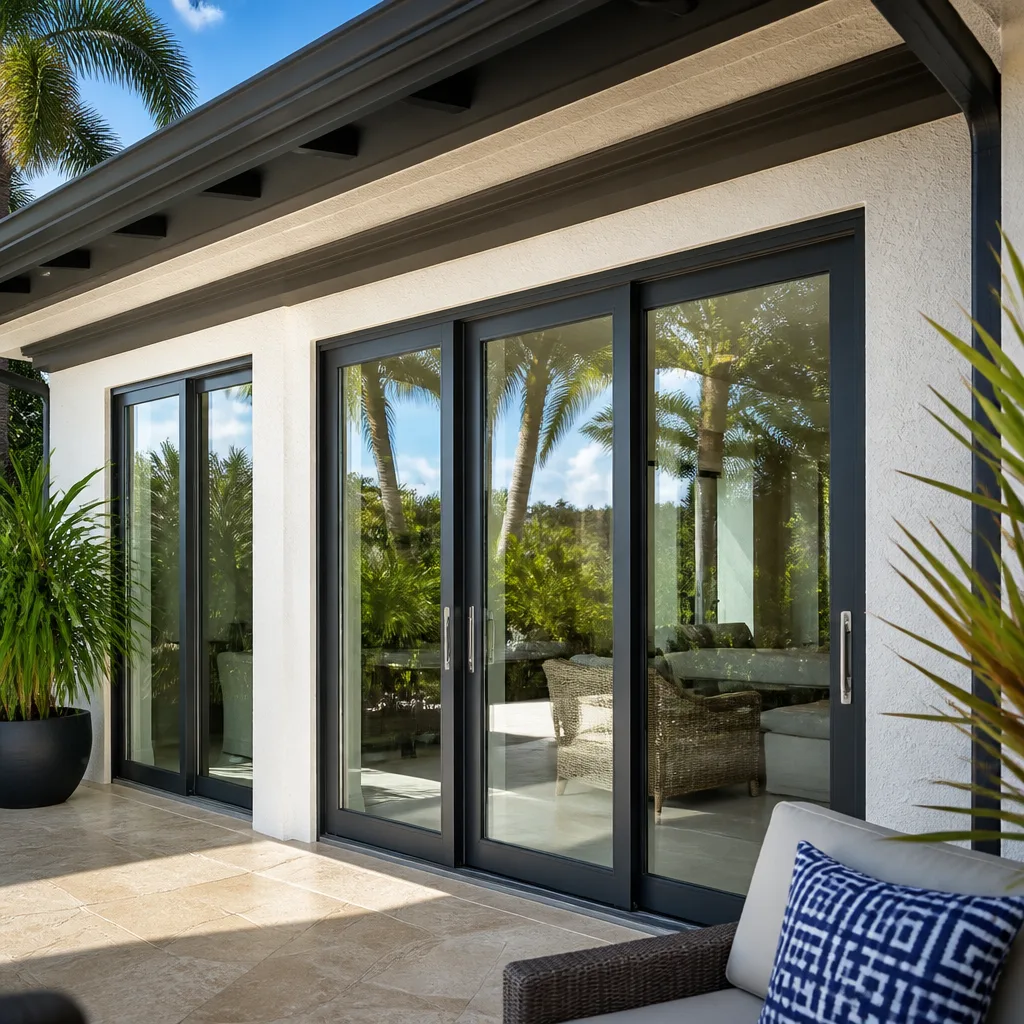
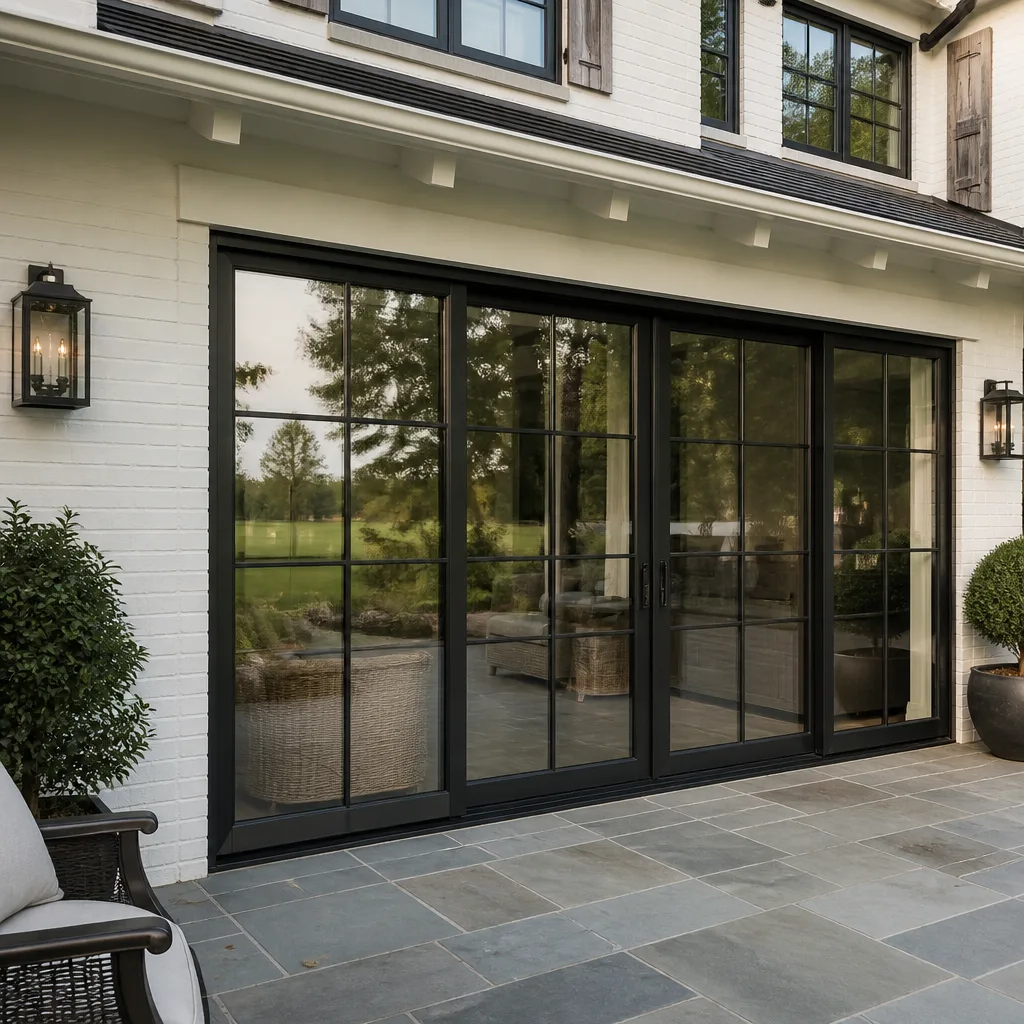
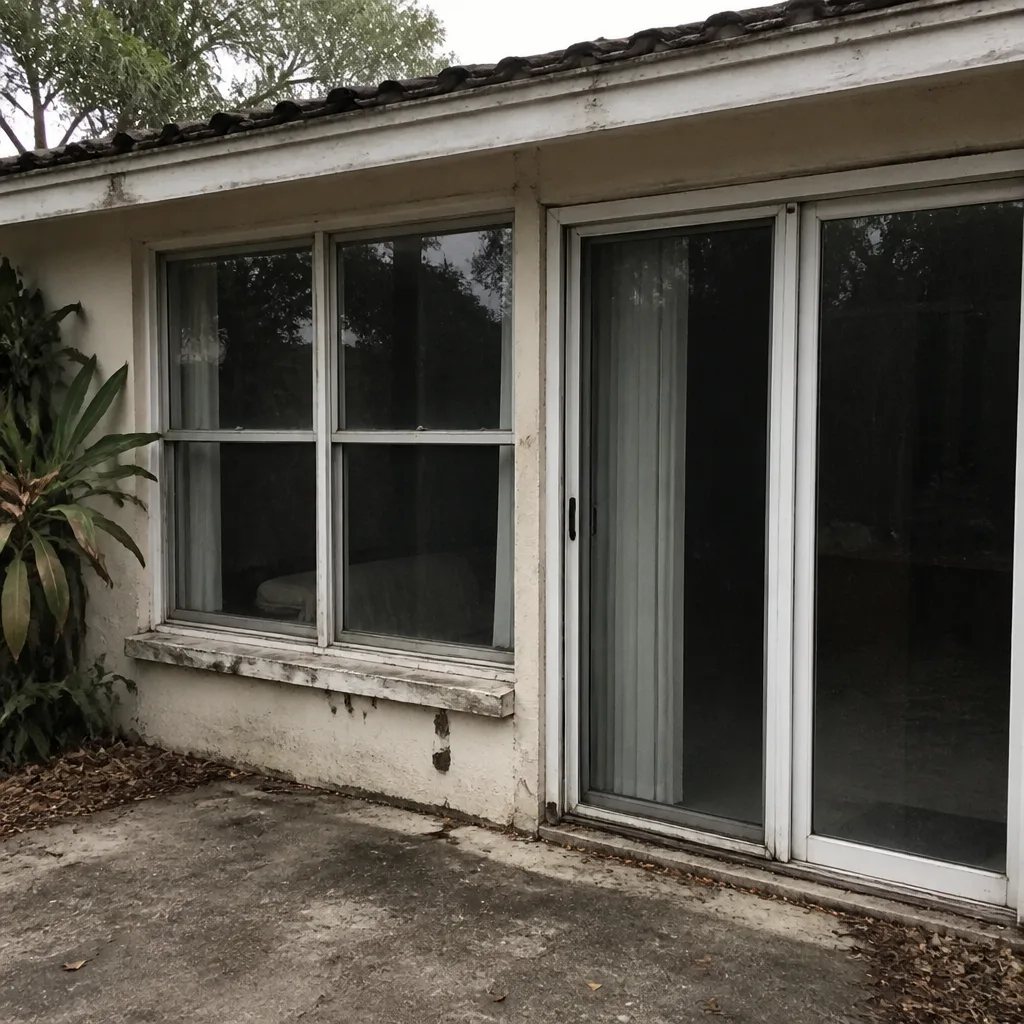 Before
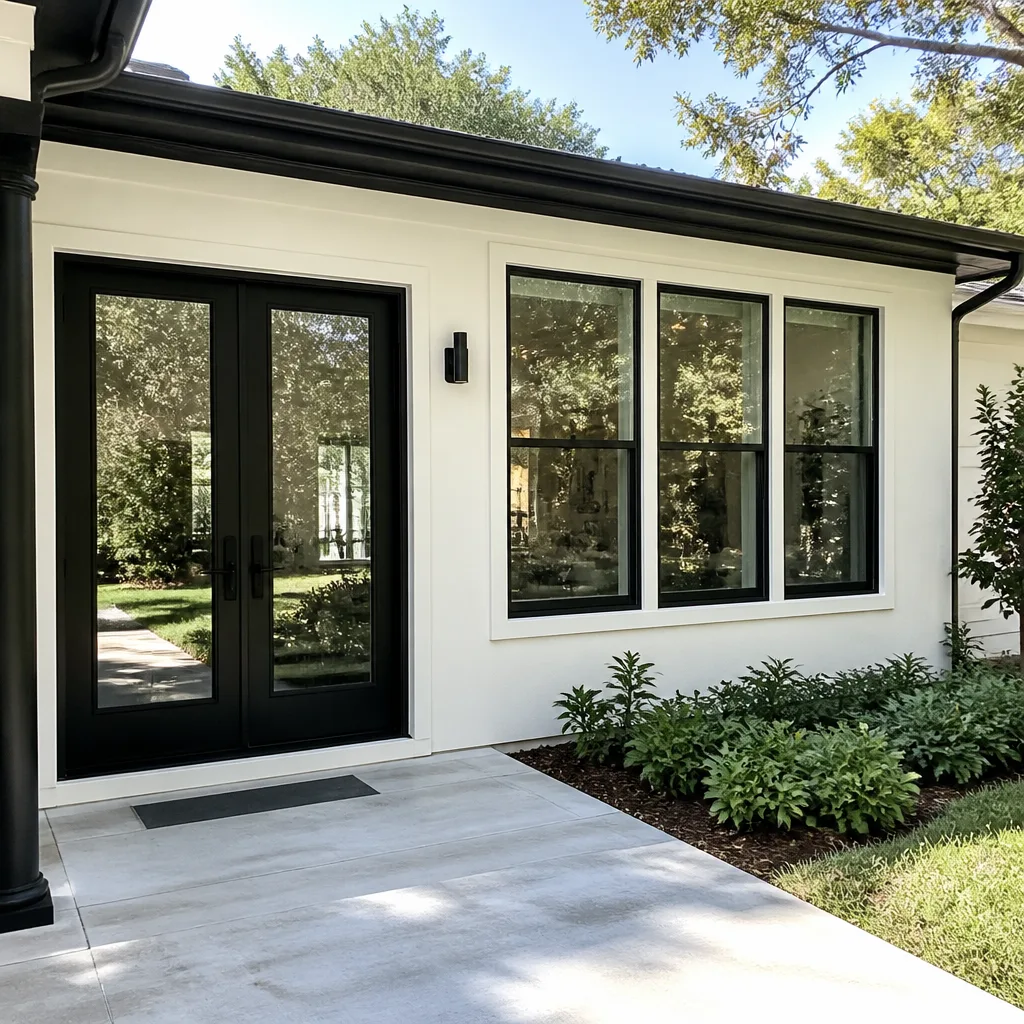 After
After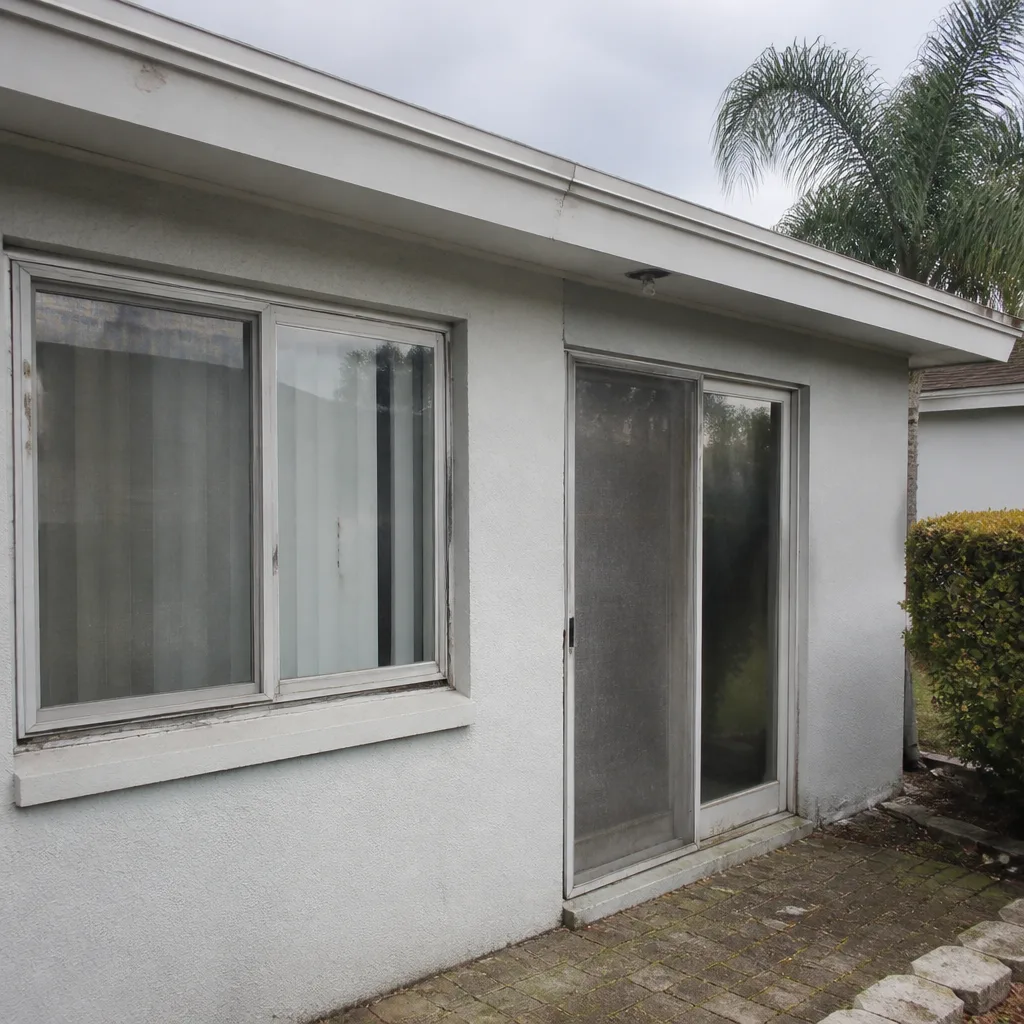 Before
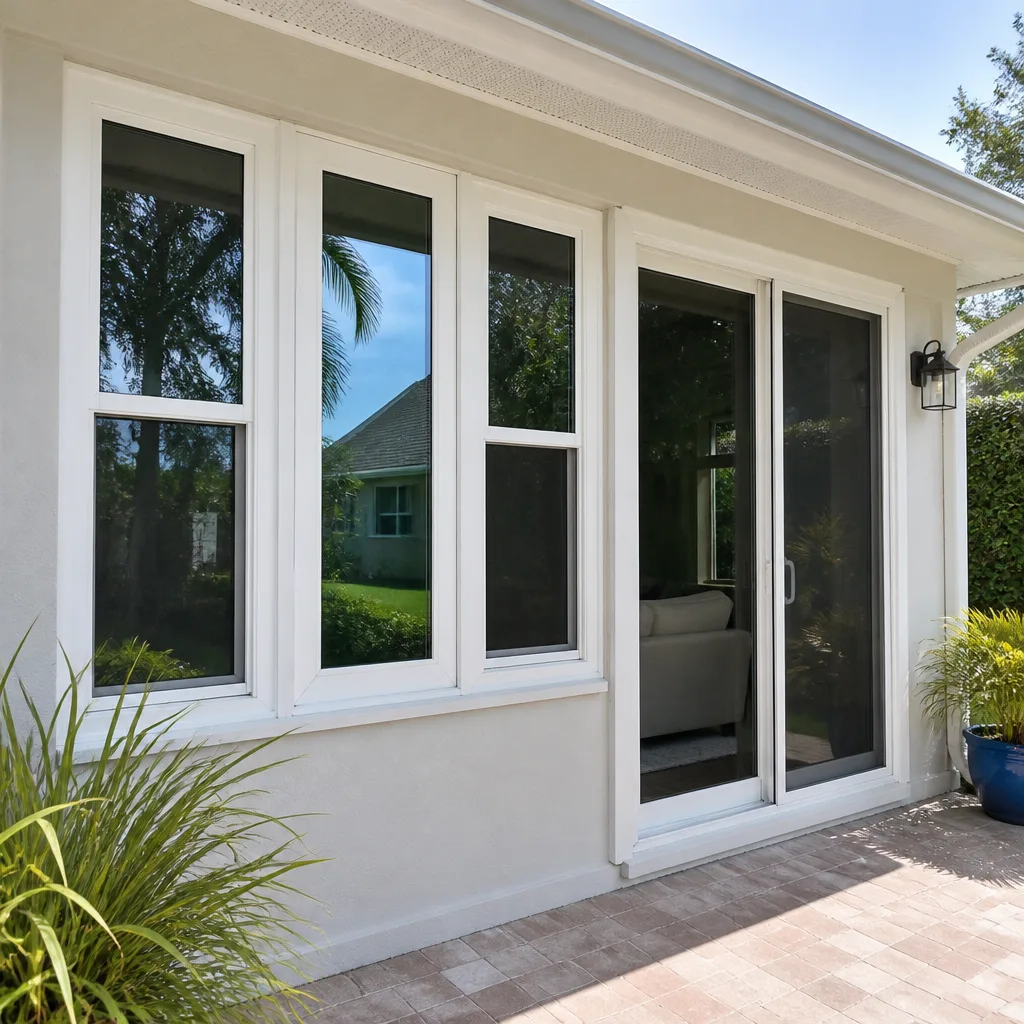 After
After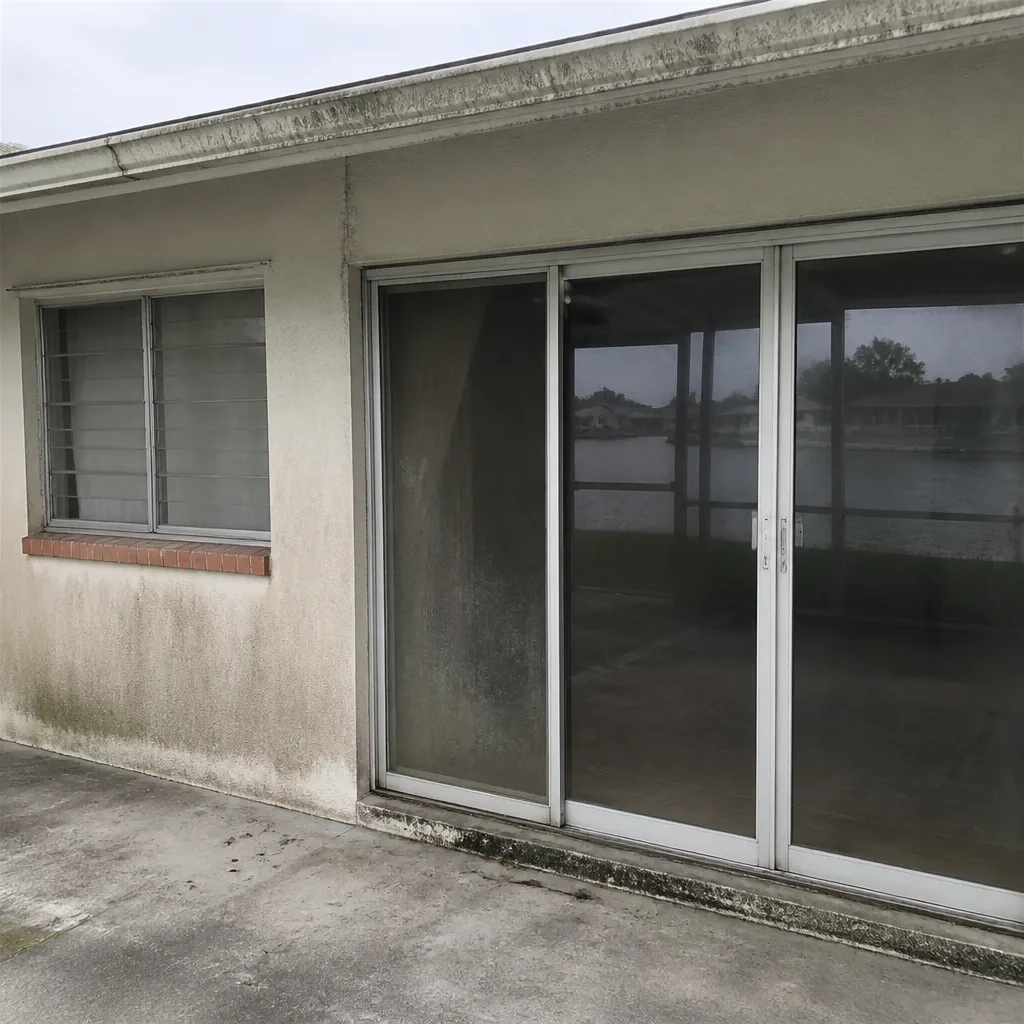 Before
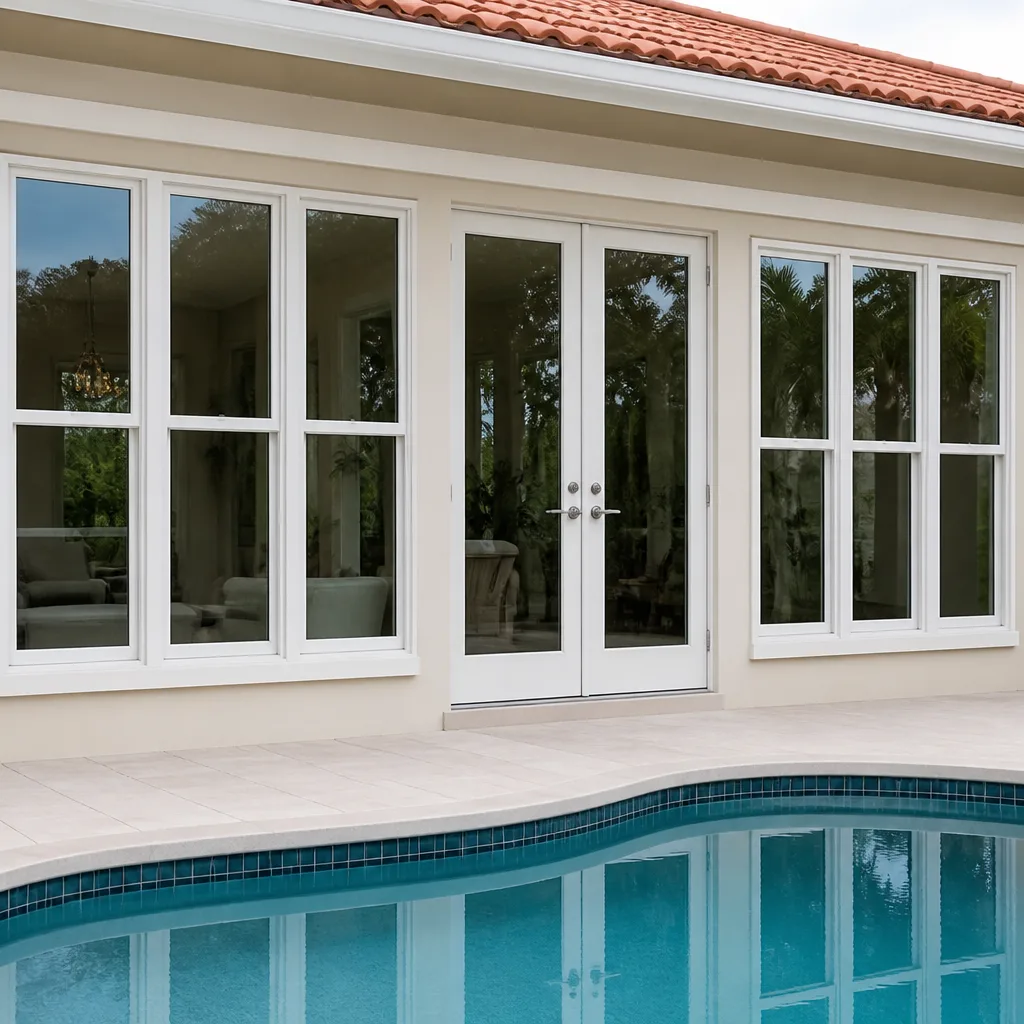 After
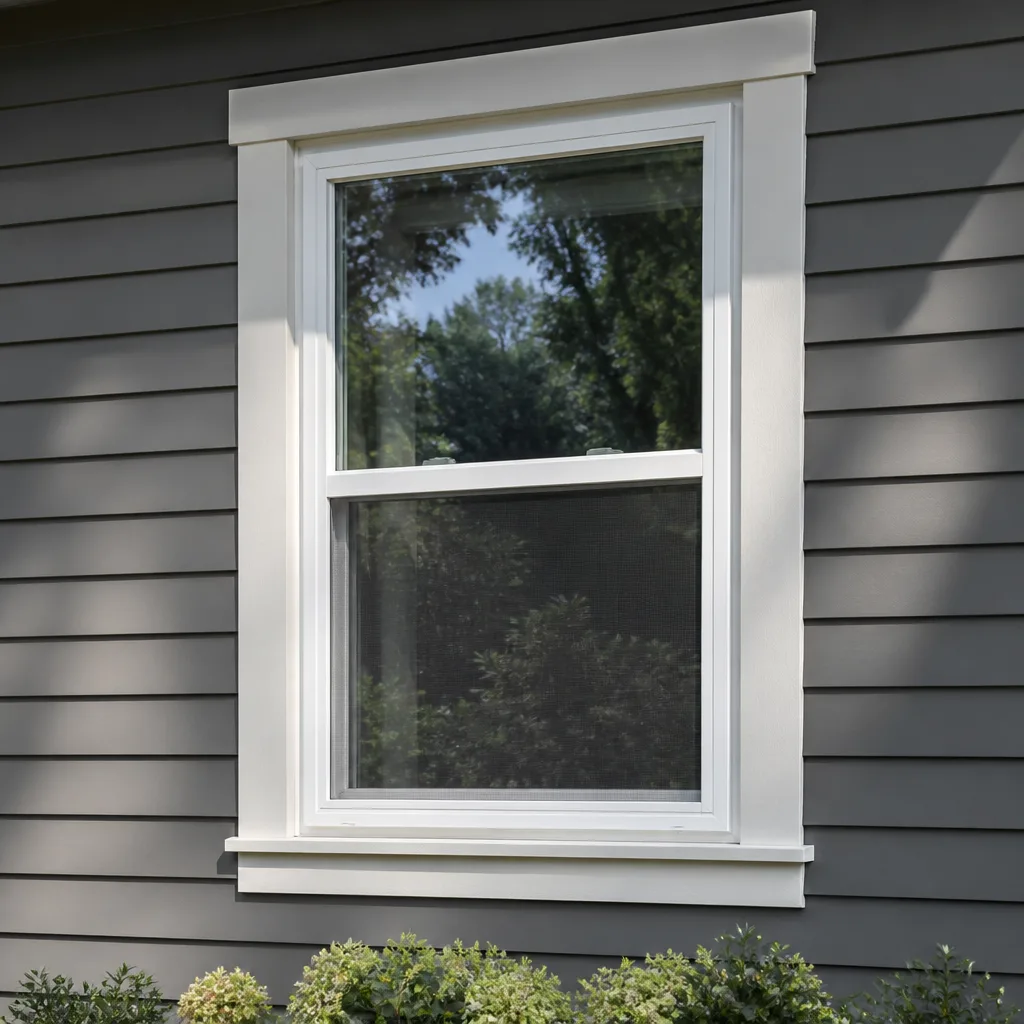
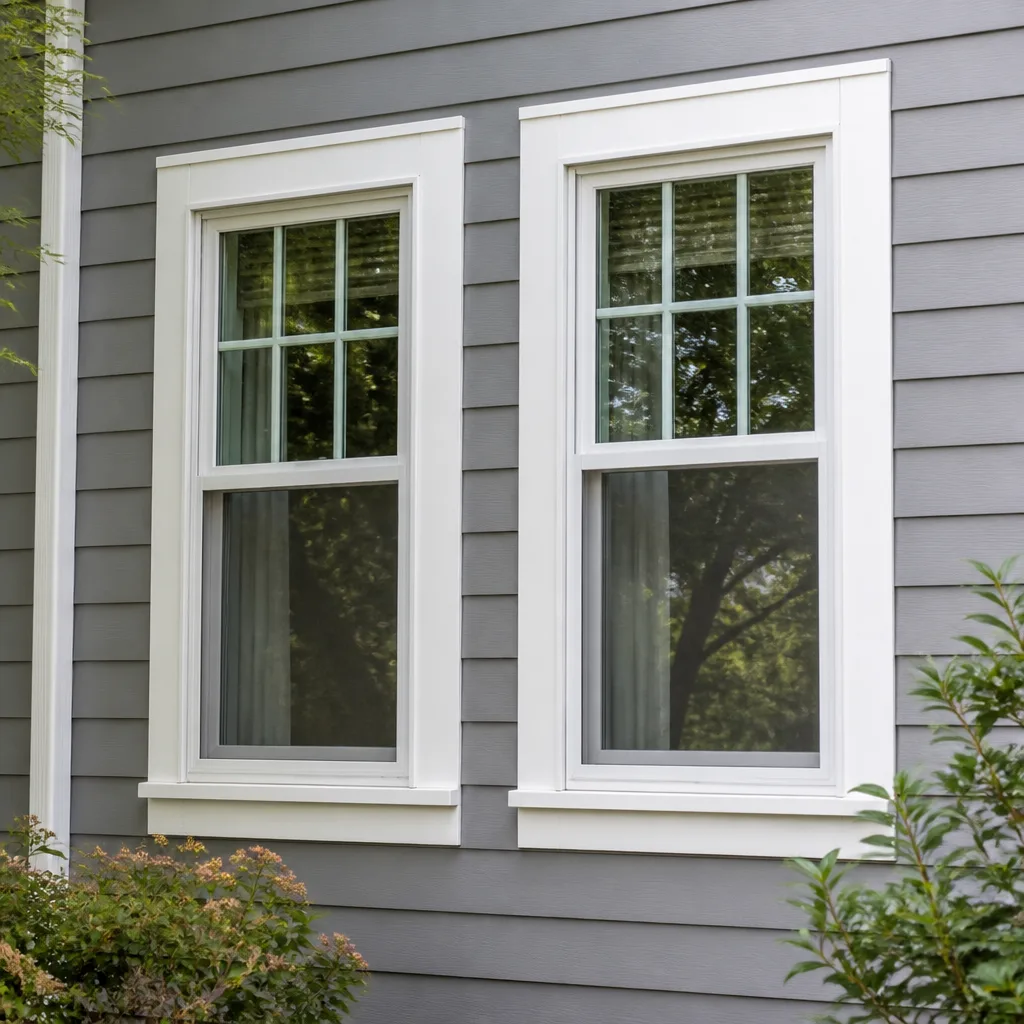
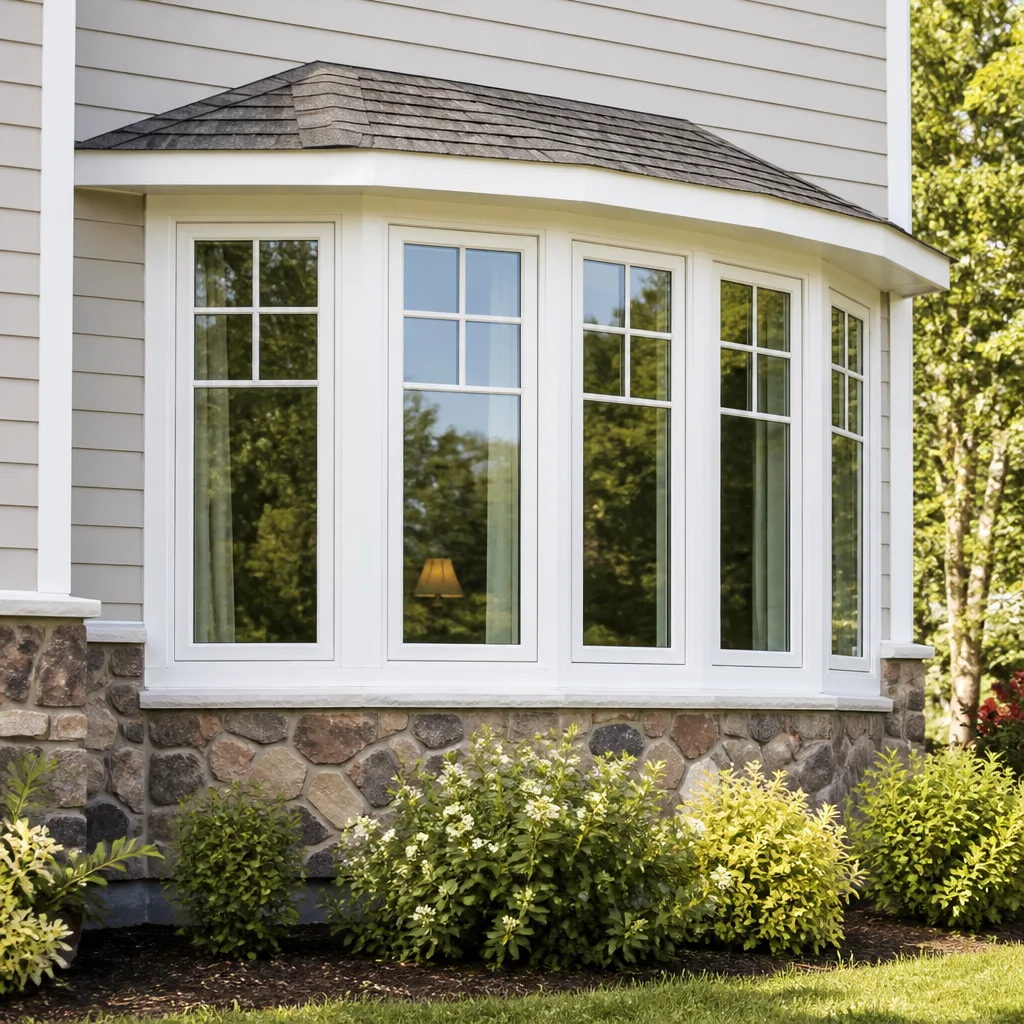
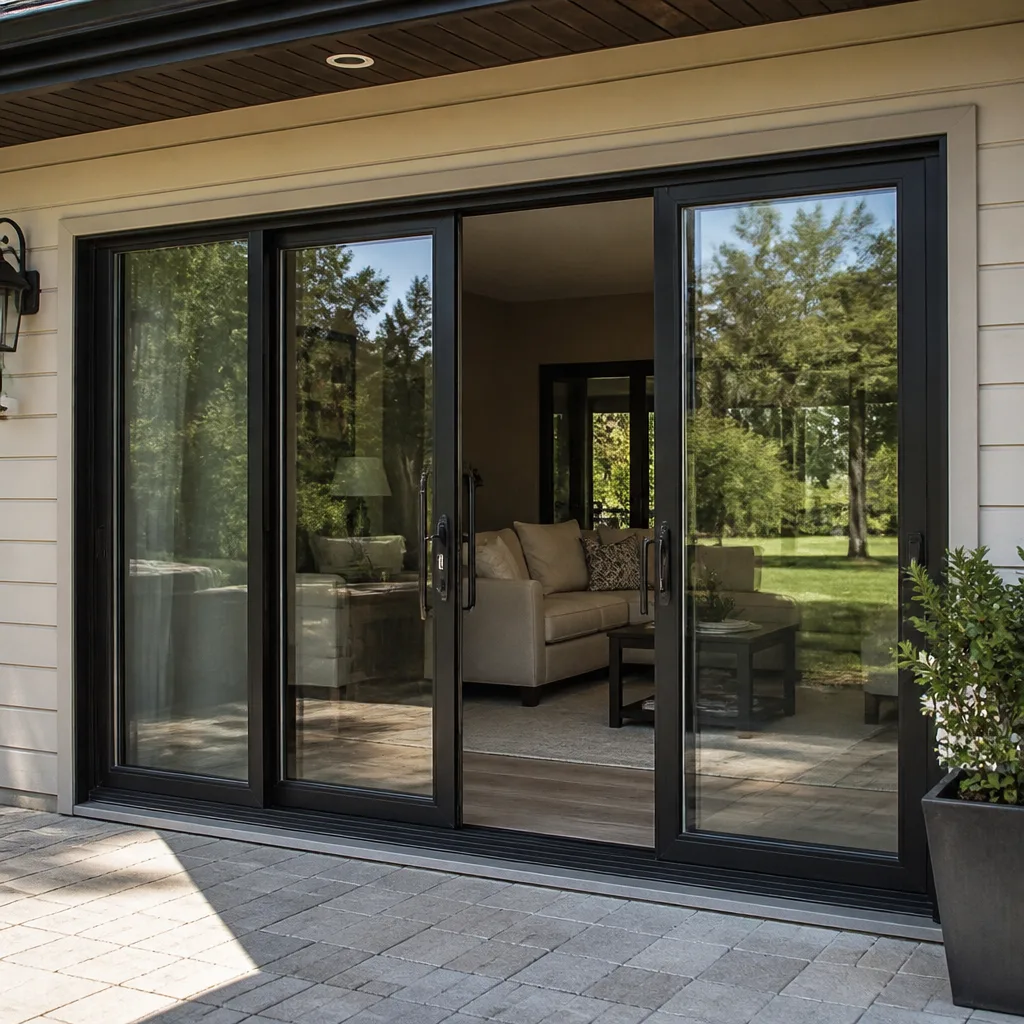
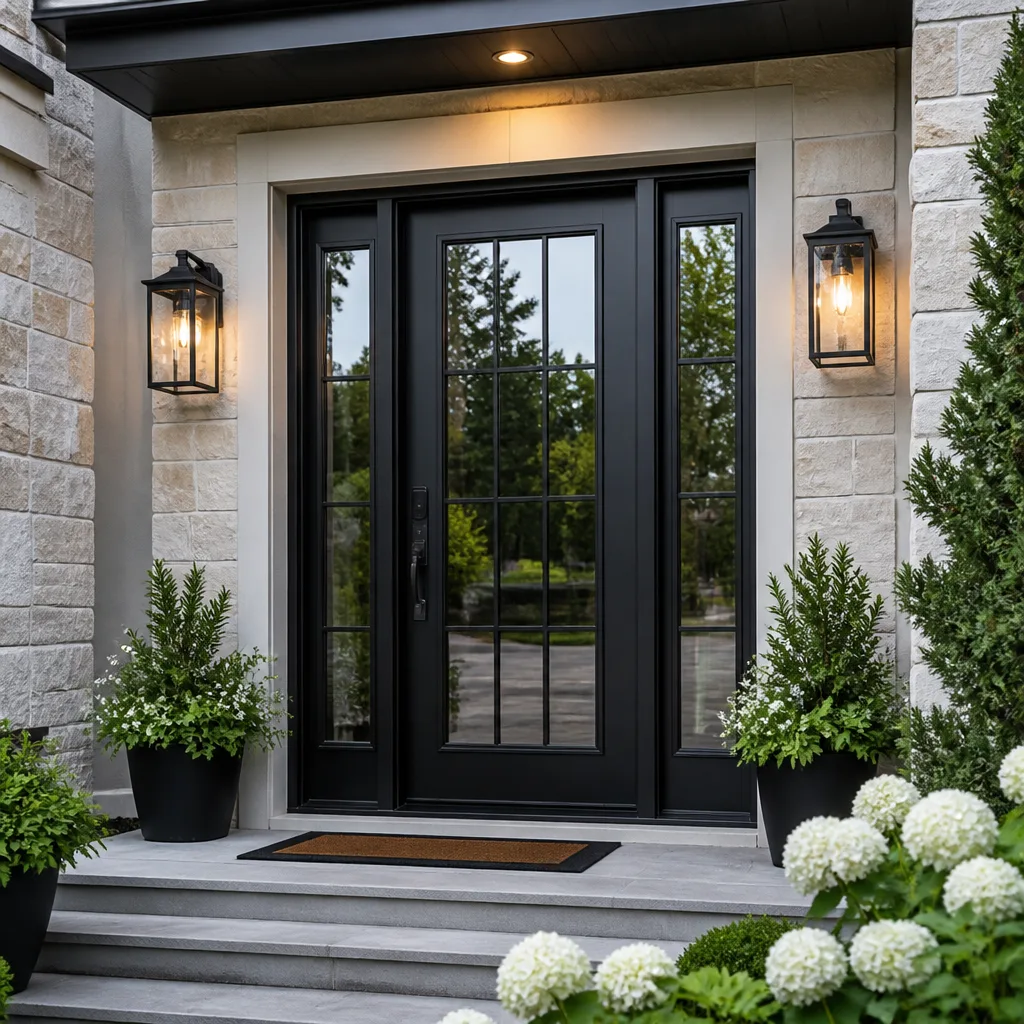
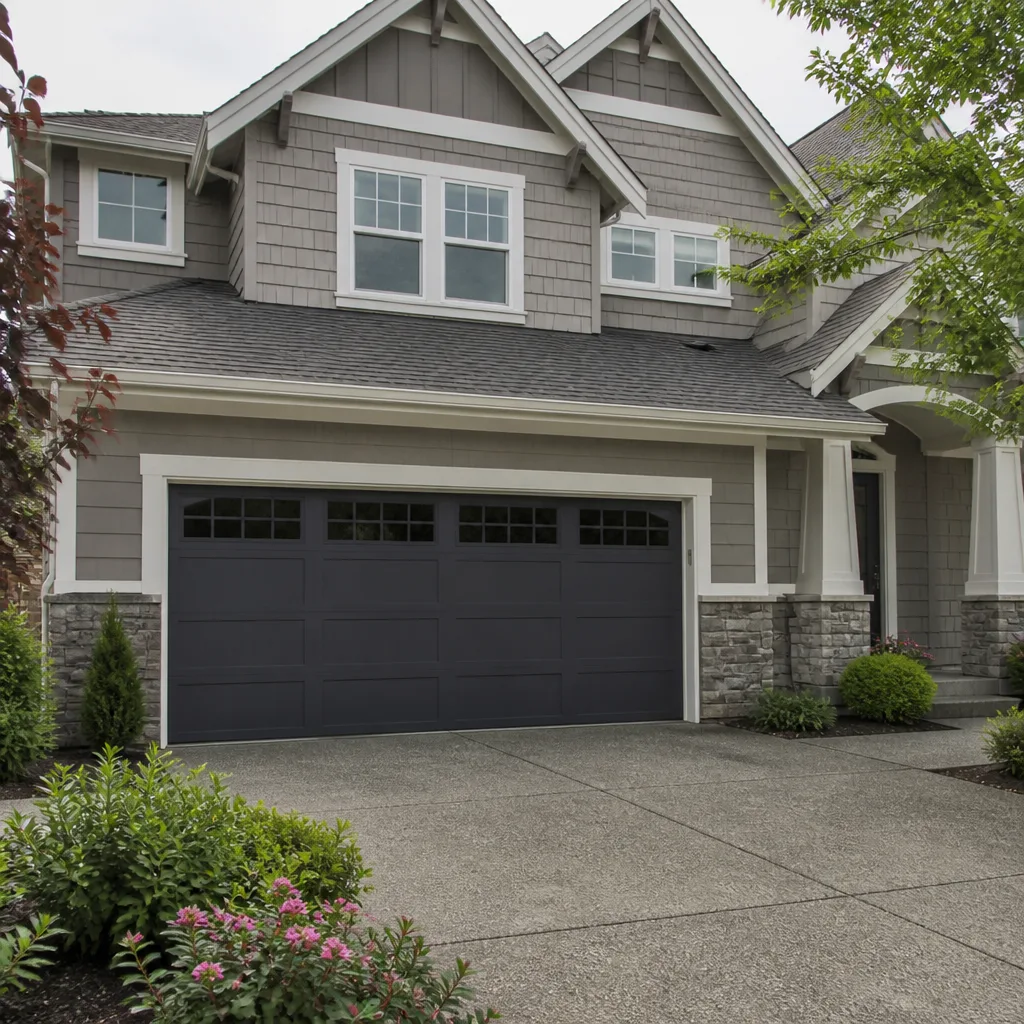
AfterLow-E & Argon Gas Glass in Sarasota, FL
Low-E and argon gas glass is an insulated glazing technology that applies a microscopically thin metallic coating to the glass surface, then fills the space between the panes with argon gas to slow heat transfer. In Sarasota’s climate, where afternoon sun can push interior temperatures well above what your air conditioner can comfortably handle, the right glass unit can cut solar heat gain by 40 to 70 percent compared to standard double-pane clear glass. Most homeowners who call us for Energy-Efficient Windows services at (941) 214-2069 see a noticeable drop in cooling costs within the first full billing cycle after installation.
This page covers everything specific to this one glass technology – what it does, what it costs in the Sarasota market, and how we install it. If you want the broader picture of window replacement options first, our Energy-Efficient Windows in Sarasota page is the right starting point.
Dale Kessler started TruePane Windows & Doors in 2008 on a simple principle: the glazing trade had too many installs that looked finished but weren’t. Fogged seals, improperly registered argon fills, coatings specified wrong for the orientation – these were problems that showed up two summers later and left homeowners with no recourse. Over 42 years of combined craft heritage in this company means we’ve seen every failure mode this coastal Florida climate can produce, and we install against each one deliberately.
When You Need Low-E & Argon Gas Glass
Not every window situation calls for a full-frame replacement, but several specific conditions in Sarasota homes point directly to this glazing upgrade as the right answer.
- Your west- or south-facing rooms feel like a greenhouse by 2 p.m. Sarasota’s afternoon sun hits western exposures hard from April through October. Standard clear glass offers almost no solar control. Low-E coatings are formulated to reject that wavelength of heat before it passes through the glass, which is exactly what west-facing rooms in Sarasota neighborhoods like Osprey and Palmer Ranch need most.
- You can see visible fogging, haze, or moisture trapped between the panes. That cloudiness means the seal on your existing insulated unit has failed and the argon gas has escaped. The unit is now performing no better than a single pane of glass, and no amount of cleaning will fix it. The glass itself needs to be replaced.
- Your utility bills have climbed steadily even though your usage habits haven’t changed. Seal failure and coating degradation are quiet – you won’t always see the fog until it’s advanced. If your FPL bills have drifted upward over the past few years and your HVAC is otherwise in good shape, the glazing is a likely culprit worth investigating.
- You’re replacing impact windows and want to combine storm protection with energy performance. Many Sarasota homeowners upgrading to PGT or CGI impact units don’t realize that the laminated glass in most impact windows comes standard with a solar control Low-E coating option. Specifying the right coating at the time of order costs very little extra and pays back every summer thereafter.
- You have older single-pane jalousie or slider windows and the frames are still structurally sound. In some cases, particularly in mid-century homes in the Southgate or Pinecraft areas, the frame can be retained and only the glass unit replaced. This is less common than a full replacement but worth evaluating to control cost.
- Your home runs on a fixed income and the air conditioner runs nearly continuously from May through September. Sarasota’s heat index regularly exceeds 100 degrees during summer afternoons. For homeowners who have lived in the same house for twenty or more years and have no plans to leave, the energy savings from proper Low-E argon units compound annually – the investment case is straightforward.
Our Low-E & Argon Gas Glass Process
Every job follows the same sequence, in the same order, without shortcuts. The process below reflects how Dale Kessler set it up at the start and how every TruePane technician is trained to execute it.
- Measure and orientation assessment. We measure every rough opening twice – that’s the rule, not a suggestion. We also note which direction each window faces, because the correct Low-E coating specification for a south-facing window in Sarasota is different from the right spec for a north-facing one. A south-facing unit benefits from a high-solar-rejection coating; a north-facing unit may perform better with a lower-E coating that admits more visible light without significant heat gain. Getting this wrong at the spec stage is a mistake that lasts the life of the window.
- Side-by-side manufacturer quotes on paper. We are authorized installers for more than a dozen lines, including PGT and CGI for impact-rated products, and we quote them side by side so you can see exactly what you’re buying and what each product’s published solar heat gain coefficient and U-factor are. No single-brand pitch, no manufacturer loyalty that costs you money. You choose with full information in front of you.
- Factory order with argon fill and coating confirmed in writing. When the order goes in, the Low-E coating designation and the argon gas fill are documented on the order confirmation. We don’t assume the factory got it right – we verify the unit specifications when product arrives before scheduling the installation day.
- Frame preparation and old unit removal. Old glazing compound, failed sealant, and any debris that would prevent a true seal are removed completely. On older Sarasota homes with wood or aluminum frames, we check for corrosion or wood rot at this stage – not as a way to upsell work, but because installing a $600 glass unit into a frame that’s failing underneath is a waste of your money.
- Installation and seal verification. The new unit is set, shimmed, and secured to manufacturer specification. Every perimeter joint is sealed with compatible sealant – compatible meaning approved for the frame material, the local UV exposure level, and the thermal expansion rates this Florida climate demands. We don’t use generic caulk on a job that needs a UV-stable silicone.
- Keystone Standard warranty registration before the truck leaves. Both warranty layers – the manufacturer’s glass unit warranty and TruePane’s 90-Day Done Right Promise – are registered in writing with durations stated before we leave the property. You get a copy. If anything is not right within 90 days, we make it right without paperwork battles or fine print arguments.
Low-E & Argon Gas Glass Pricing in Sarasota
Low-E argon gas glass replacement in Sarasota runs in a range that depends primarily on unit size, frame material, whether the opening is impact-rated, and the specific glass specification required. The numbers below reflect current market pricing for this area – not national averages, and not the number from three years ago before material costs shifted.
| Scope of Work | Typical Sarasota Range |
|---|---|
| Single insulated glass unit replacement (seal failure, standard size) | $180 – $380 per unit |
| Low-E argon glass unit, standard double-pane, retrofit into existing frame | $240 – $520 per unit |
| Low-E argon glass unit, impact-rated laminated (PGT or CGI spec) | $420 – $850 per unit |
| Full window replacement, Low-E argon, standard residential size | $550 – $1,100 per window installed |
| Full window replacement, Low-E argon, impact-rated unit, installed | $900 – $1,800 per window installed |
| Whole-home package (10-15 windows, standard size, non-impact) | $5,500 – $13,000 installed |
What moves a job toward the higher end of these ranges: larger custom unit sizes, historic or non-standard frame profiles that require custom-order glass, triple-pane upgrades, and high-end manufacturer lines like Andersen or Marvin when a homeowner has a specific product preference. What keeps cost toward the lower end: standard opening sizes, aluminum or vinyl frames in sound condition, and non-impact specifications for interior-facing windows in communities where the exterior envelope is already impact-rated at the opening.
Senior homeowners receive a standing 5% discount, and veterans receive the same. Any repair over $250 qualifies for $50 off. These are standing offers – not limited-time promotions, not something you need to ask about in a particular way. We also offer an $89 Seasonal Tune-Up that includes a full inspection of glass seals, frame condition, and hardware across your home’s windows and doors.
Estimates are free and given in writing. Call (941) 214-2069 and a live person will answer – not a callback form, not a voicemail queue. We’ll schedule a time that works, arrive when we say we will, and give you a number you can hold us to.
FAQs – Low-E & Argon Gas Glass
What does Low-E glass actually do, and is it worth the cost in Sarasota?
Low-E glass works by blocking infrared and ultraviolet radiation while allowing visible light to pass through – the coating reflects heat back toward its source rather than letting it conduct through the glass. In Sarasota’s climate, where cooling accounts for the majority of residential energy use from roughly May through October, a properly specified Low-E argon unit can reduce solar heat gain through the glass by 40 to 70 percent depending on orientation and coating grade. For a home that has been running standard clear glass for twenty or more years, the payback period on a quality installation is typically four to eight years in energy savings alone, not counting the improved comfort and our UV-Blocking & Fade Protection for furniture and flooring. Call (941) 214-2069 for a free estimate and we’ll pull the actual published numbers for the specific unit we’d recommend for your openings.
How can I tell if the argon gas in my current windows has leaked out?
Argon loss is not usually visible – the gas itself is colorless and the process is silent. The most reliable indicator is visible fogging or a hazy film trapped between the panes, which signals seal failure and means both the gas and the desiccant protection are compromised. A subtler sign is a noticeable increase in radiant heat coming off the glass surface when you hold your hand near it, or condensation forming on the interior glass surface during humid Sarasota mornings. Seal failure in this market often traces back to thermal cycling – the repeated expansion and contraction of aluminum frames through hot summer days and cooler winter nights weakens the perimeter seal over eight to fifteen years. If your windows are approaching or past that age, a professional inspection is worth scheduling before the next cooling season.
Can Low-E argon glass be installed into my existing window frames without replacing the whole unit?
Yes, in many cases – this is called an insulated glass unit (IGU) replacement, and it’s a cost-effective option when the frame itself is structurally sound, square, and free of corrosion or rot. We evaluate this at the time of measure. If the frame is in good condition, swapping the glass unit alone can deliver most of the energy benefit at roughly half the cost of a full window replacement. If the frame shows problems – warping, corrosion, a poor original installation – replacing only the glass puts a new unit into a failing shell, and the result won’t hold. We’ll tell you honestly which situation applies to your home.
Does Low-E glass affect how much natural light comes into the room?
Standard Low-E coatings have a minimal effect on visible light transmission – most quality units pass 60 to 70 percent of visible light while blocking the majority of infrared heat. In practice, most homeowners notice no perceptible change in how bright their rooms feel. Where there is a visible tint effect, it tends toward a very slight neutral or blue-gray cast depending on the coating grade. High-solar-rejection coatings specified for south- and west-facing Sarasota exposures sit toward the more aggressive end of that range, but even these are a far cry from the dark or reflective appearance of older Solar & Tinted Glass Options. If you have a particular concern about a specific room or exposure, bring it up when we measure – we’ll show you the visible light transmittance spec on each product we’d quote before anything is ordered.
Key Takeaways
- Low-E argon glass is the most effective single glazing upgrade for reducing cooling costs in Sarasota’s climate, particularly for south- and west-facing windows.
- Visible fogging between panes means seal failure – the unit needs replacement, not cleaning.
- Coating specification matters by orientation: the right grade for a south-facing window is different from the right grade for a north-facing one. Getting this wrong at the order stage is a costly error.
- Sarasota pricing for Low-E argon glass replacement runs $180 to $850 per unit for glass-only work, and $550 to $1,800 per window installed for full replacements, depending on impact rating and size.
- TruePane registers both manufacturer warranty layers in writing before leaving the job, and backs every install with a 90-Day Done Right Promise – no paperwork fights.
- A live person answers at (941) 214-2069 around the clock. Free estimates, upfront pricing, no surprises on the invoice.
Schedule Your Free Estimate in Sarasota
If you’re ready to stop paying to cool glass that’s working against you, call TruePane Windows & Doors at (941) 214-2069. A live person will answer and schedule a time that fits your calendar. We’ll measure every opening, give you side-by-side quotes in writing, and tell you plainly which glass specification makes sense for each exposure in your Sarasota home, backed by our Window Energy Audits & Ratings. The estimate costs nothing. The work, when you’re ready for it, comes with both warranty layers registered in writing and Dale Kessler’s name behind every step. If the pane is not true, the job is not done – that’s been the standard here for over 42 years, and it’s not changing.
Written by Dale Kessler, Owner at TruePane Windows & Doors, serving Sarasota since 2008.
Six Reasons Homeowners Choose TruePane Windows & Doors
Impact systems engineered to design pressures up to +/-100, matched to your wind zone - your openings hold when the storm arrives.
Low-E insulated impact glass from our manufacturer lines commonly cuts monthly cooling bills 20-30%.
Laminated impact glass shuts out up to 40% of outside noise - traffic, neighbors, weather.
Monitoring services run $30-90 a month. Laminated impact glass resists forced entry around the clock, with no subscription.
Florida homeowners average around 25% savings on the windstorm portion of their policy after protecting every opening - some homes qualify for more.
A full impact package upgrades curb appeal, buyer confidence and appraised value in one project.