
Free in-home measure and quote - PGT, CGI and CWS impact lines compared on your actual openings, style by style
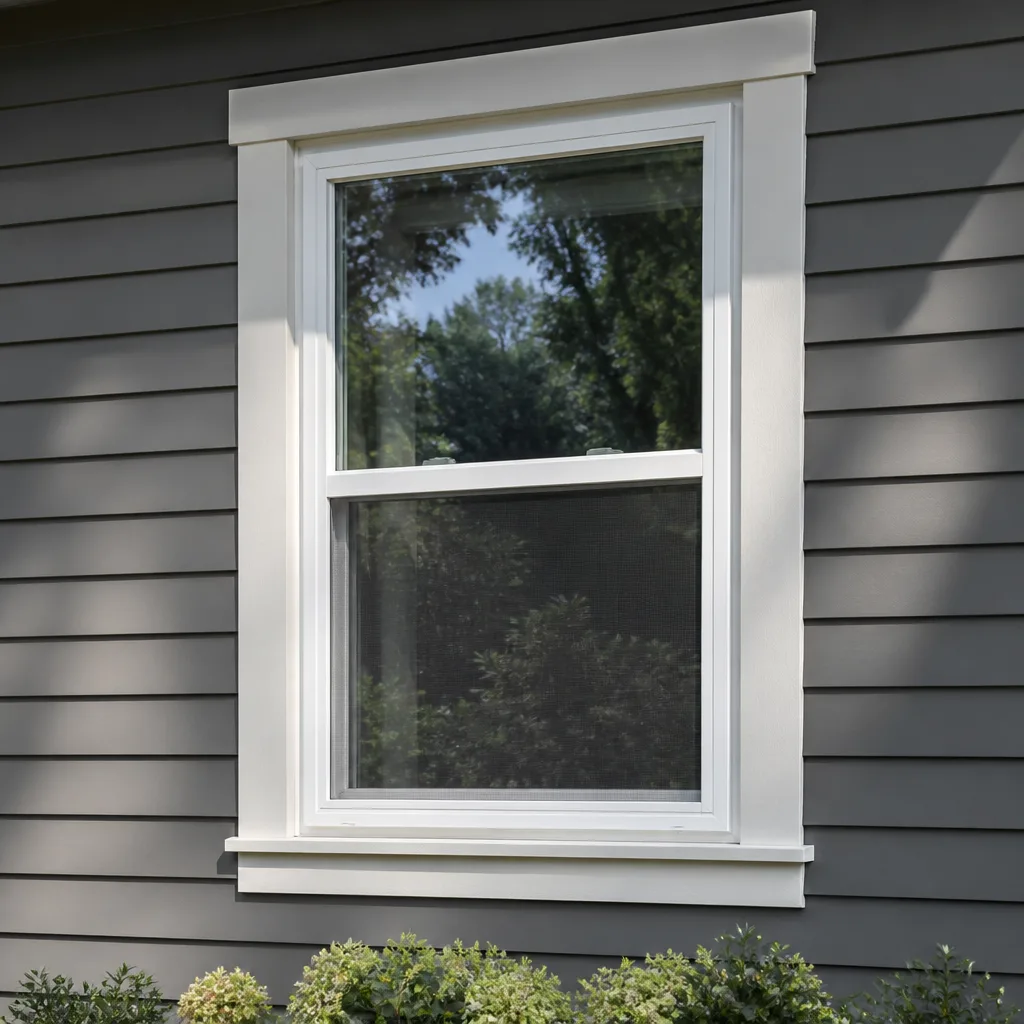
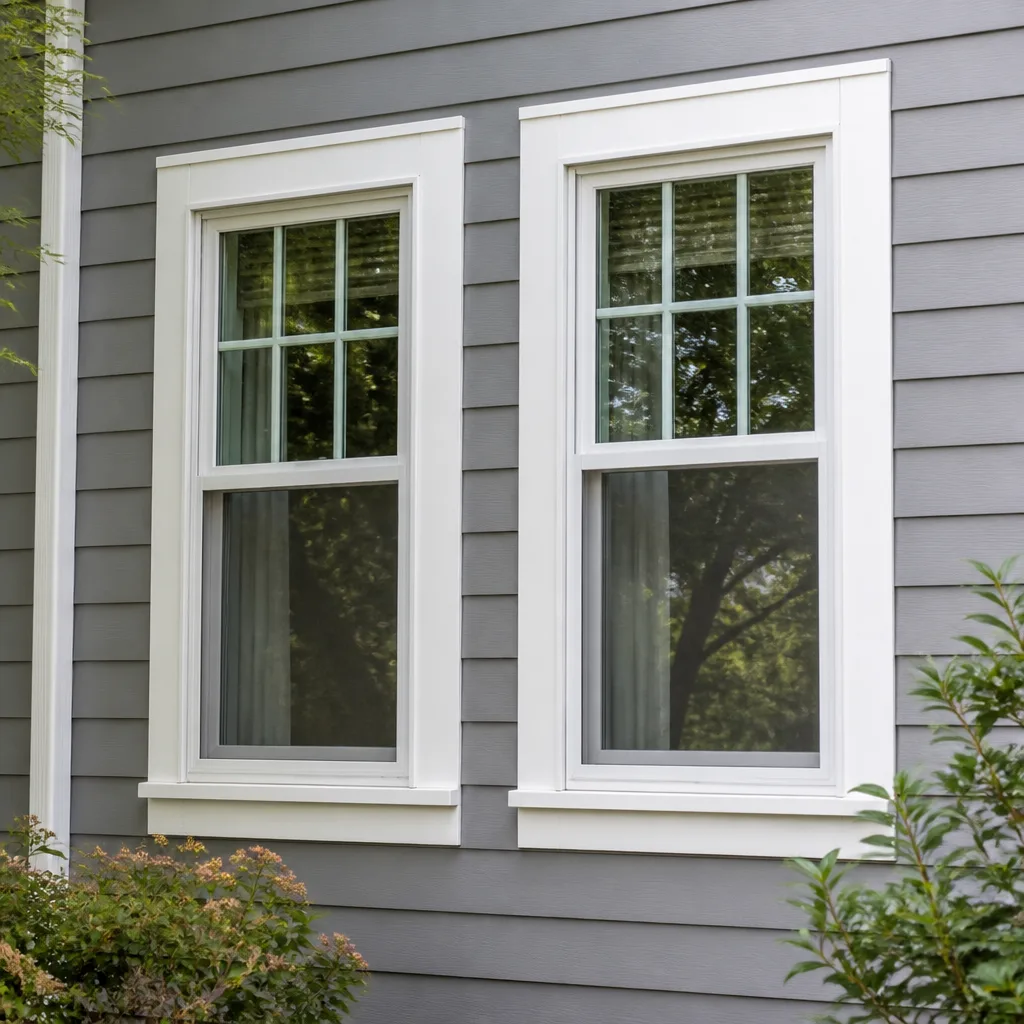
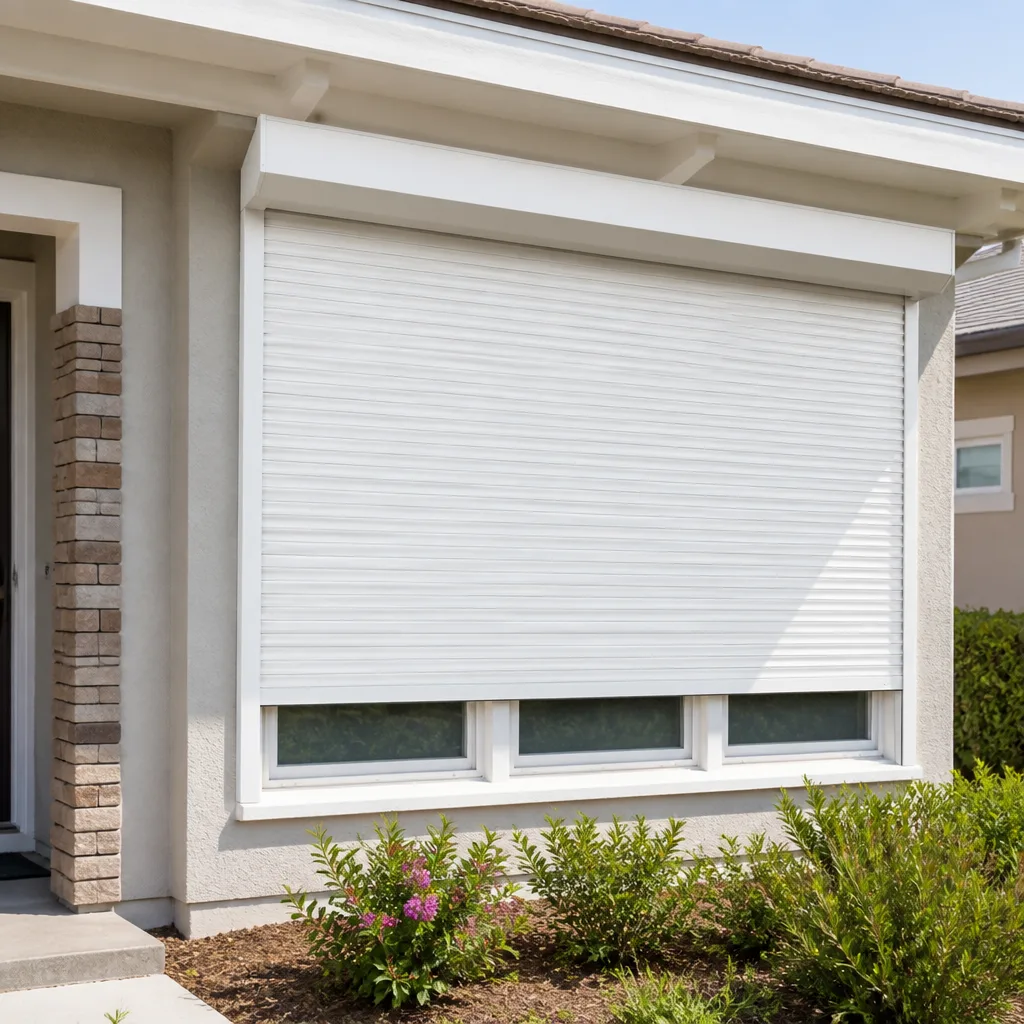
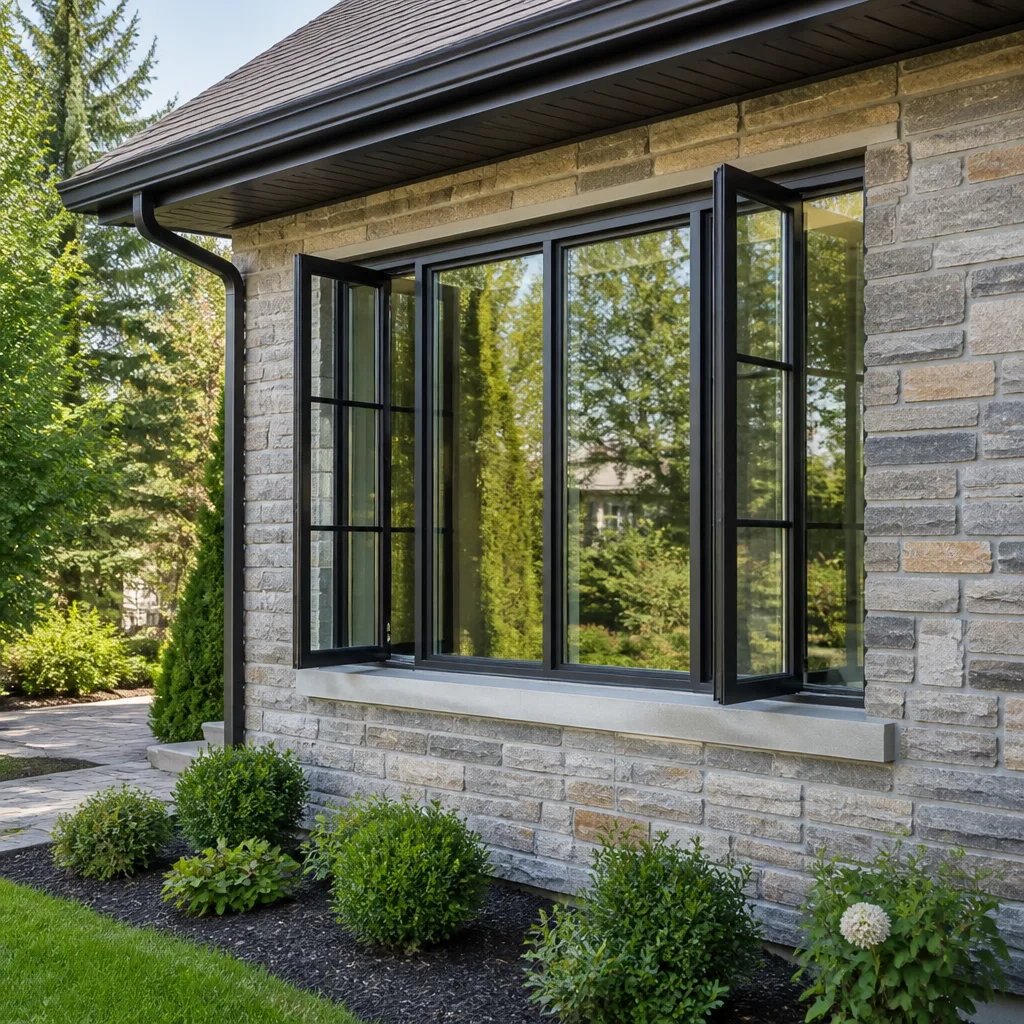
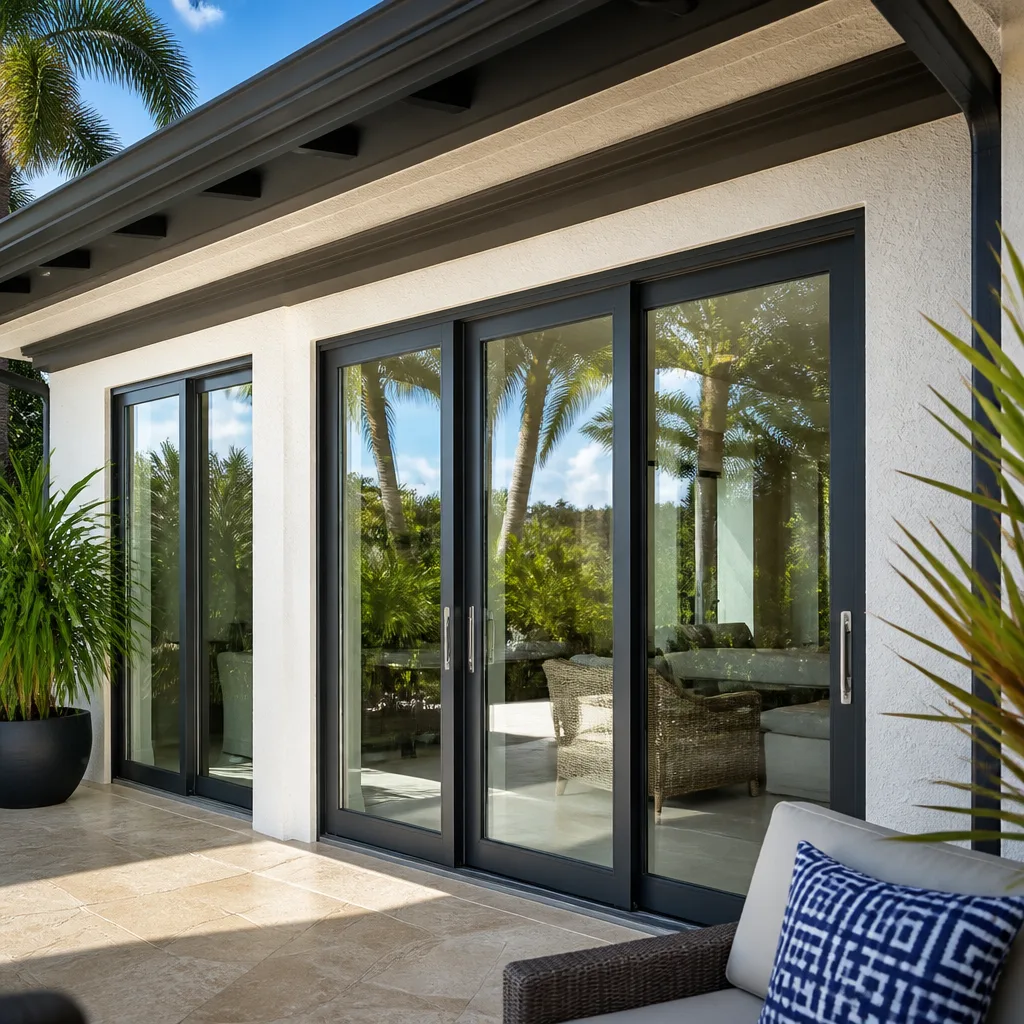
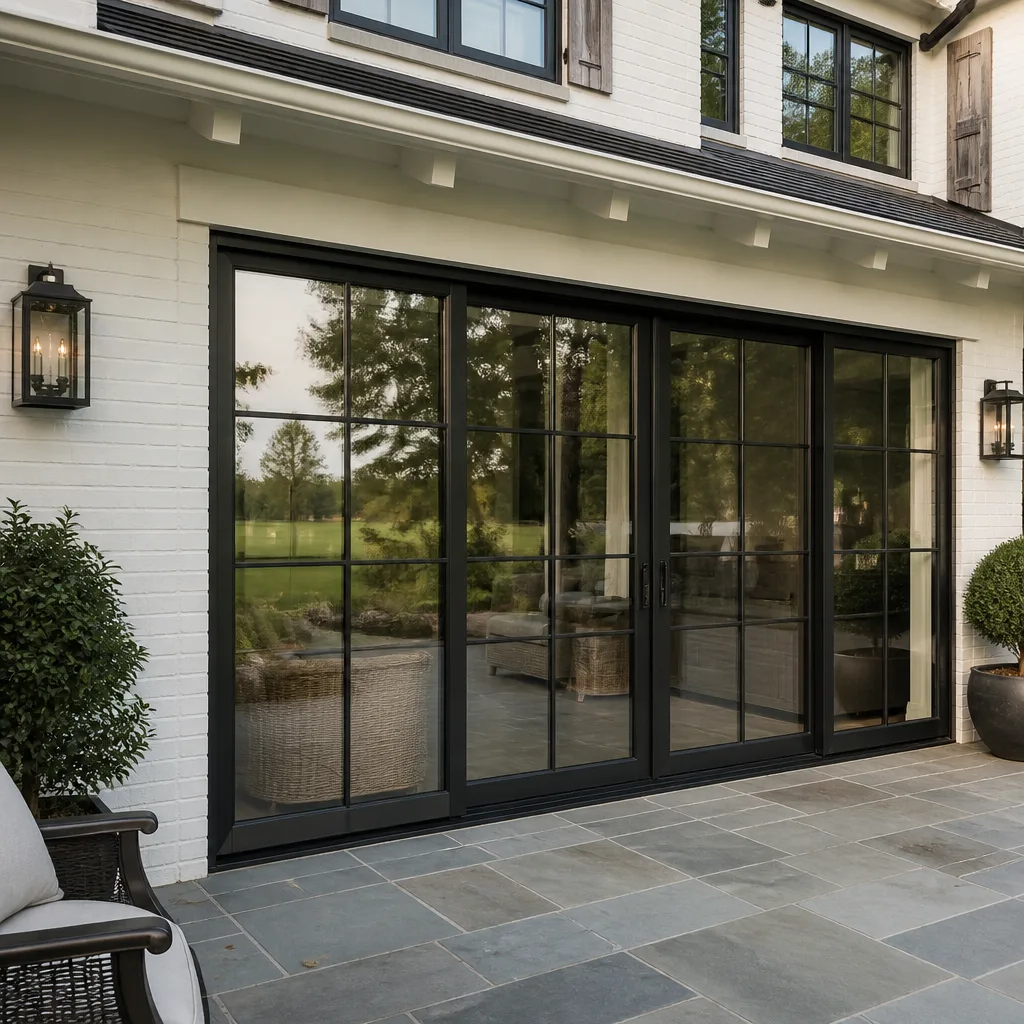
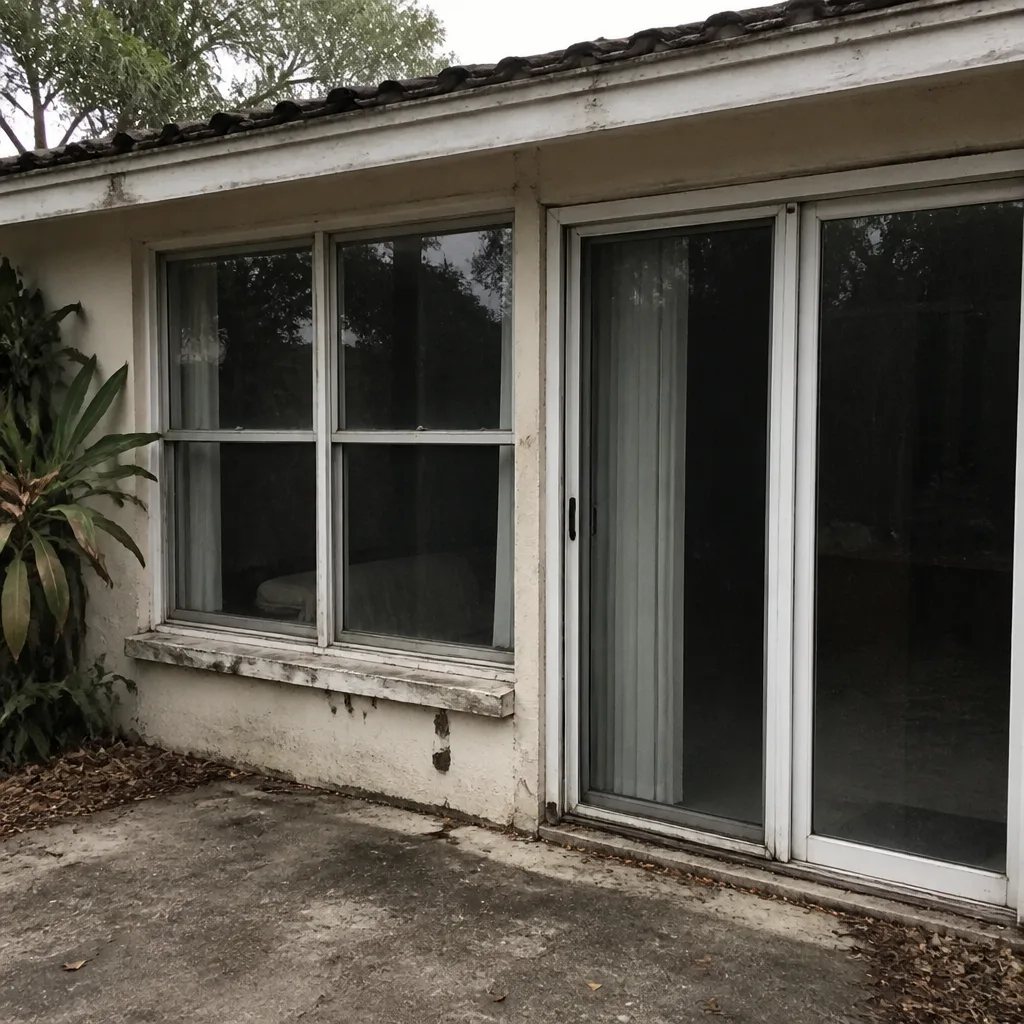 Before
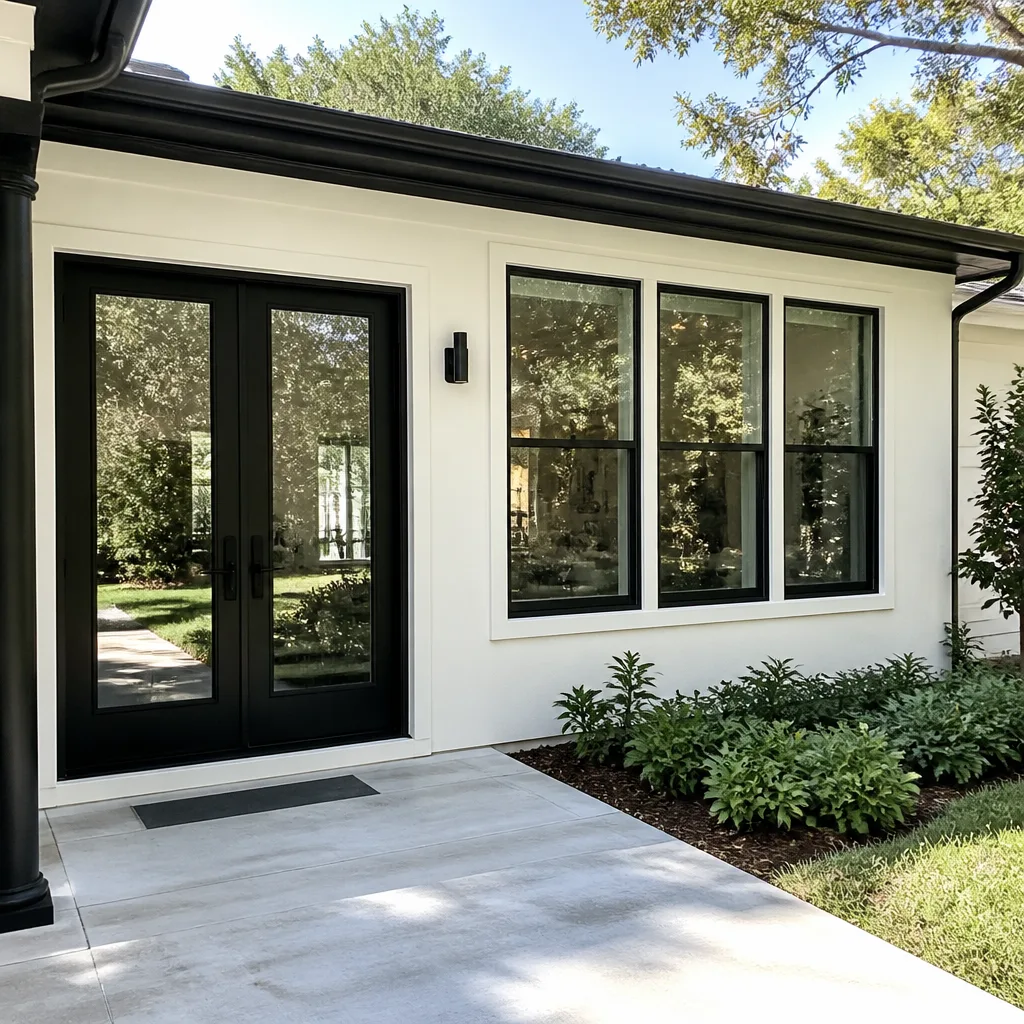 After
After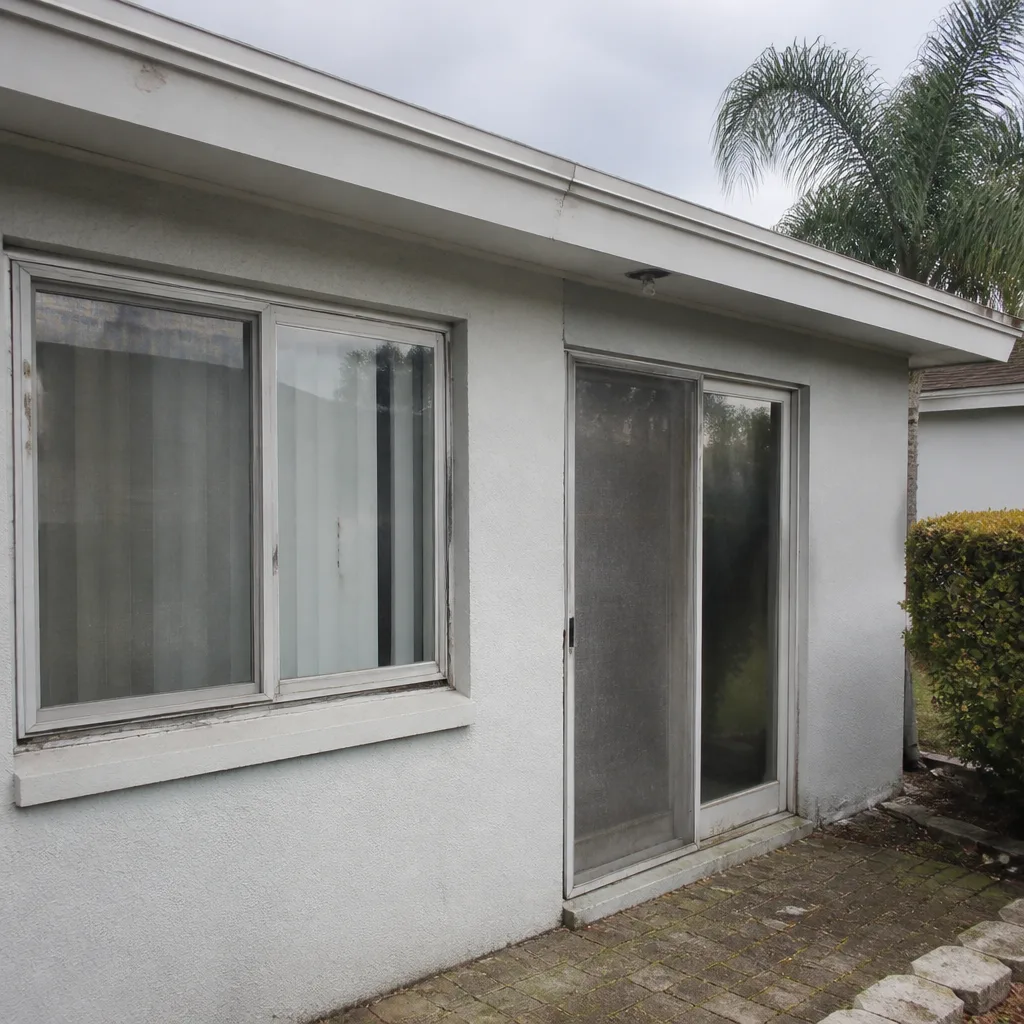 Before
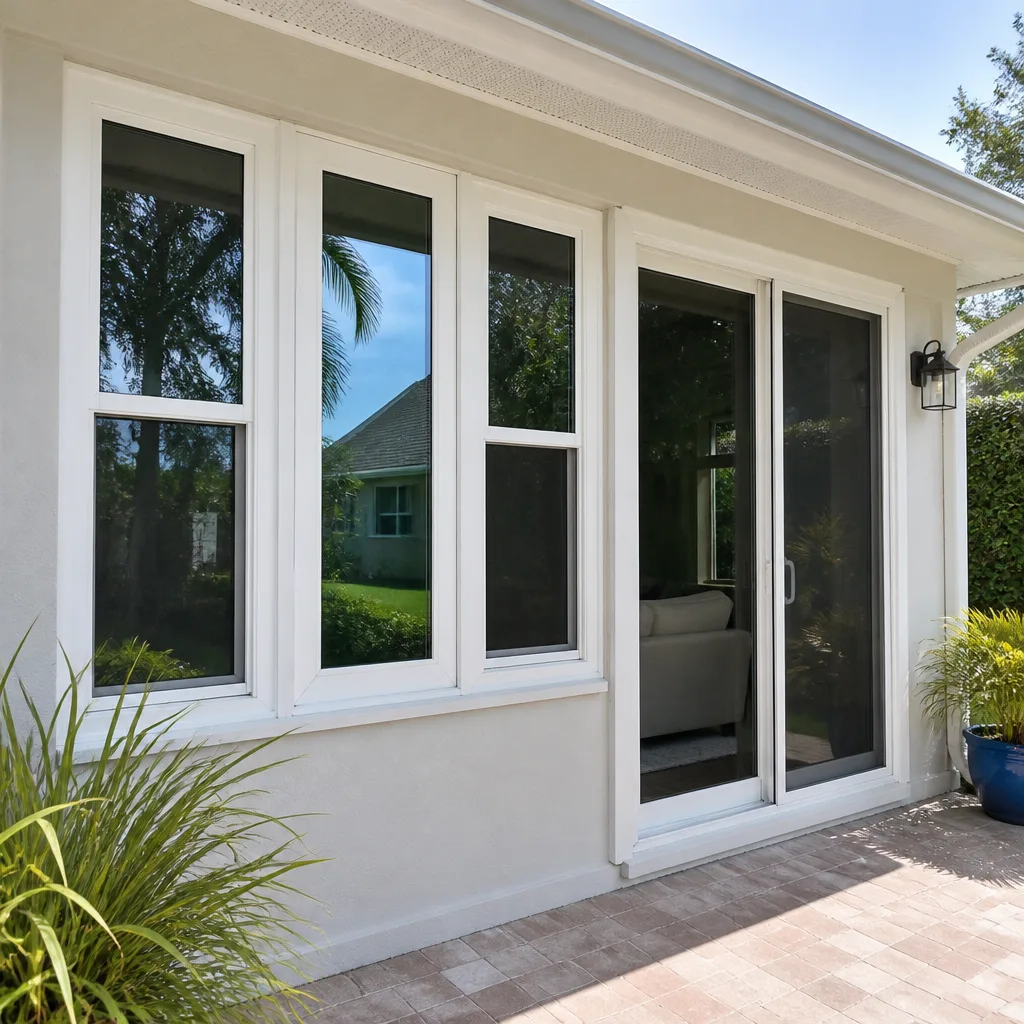 After
After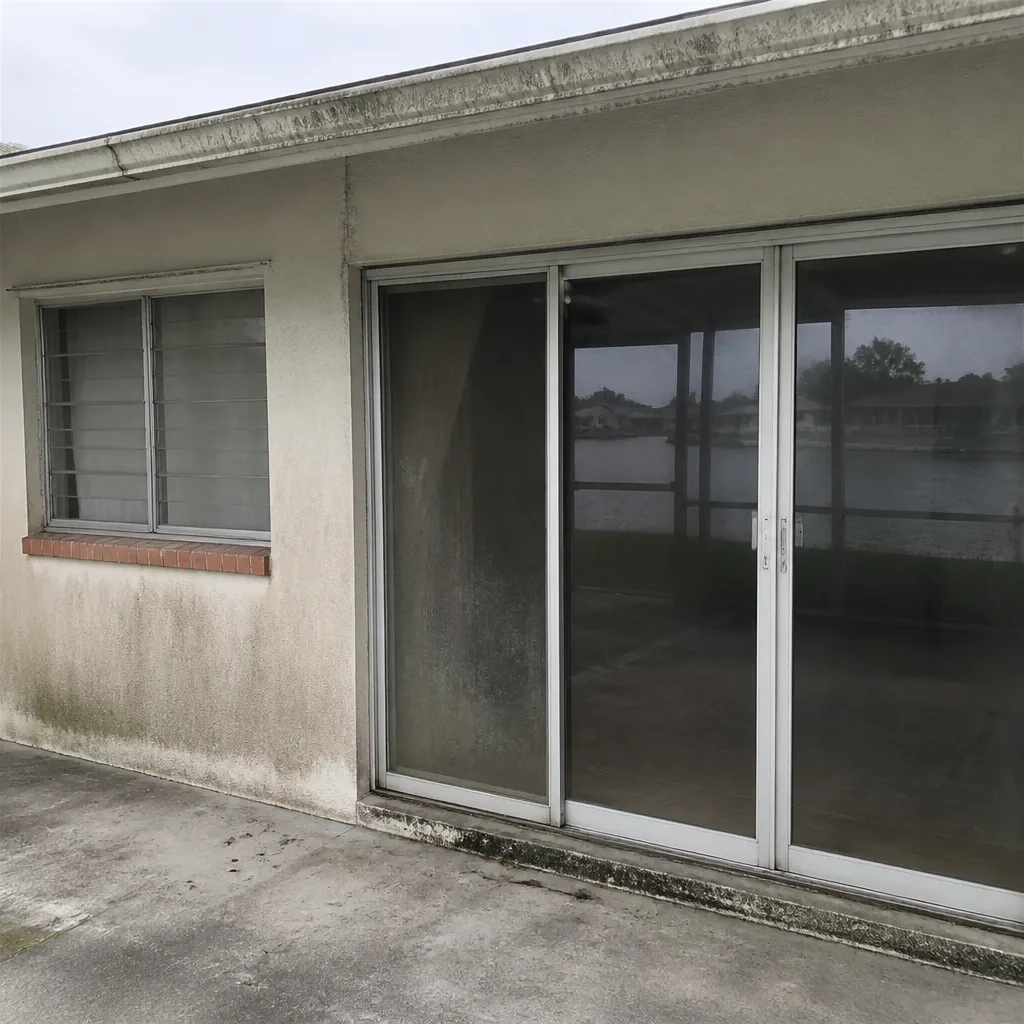 Before
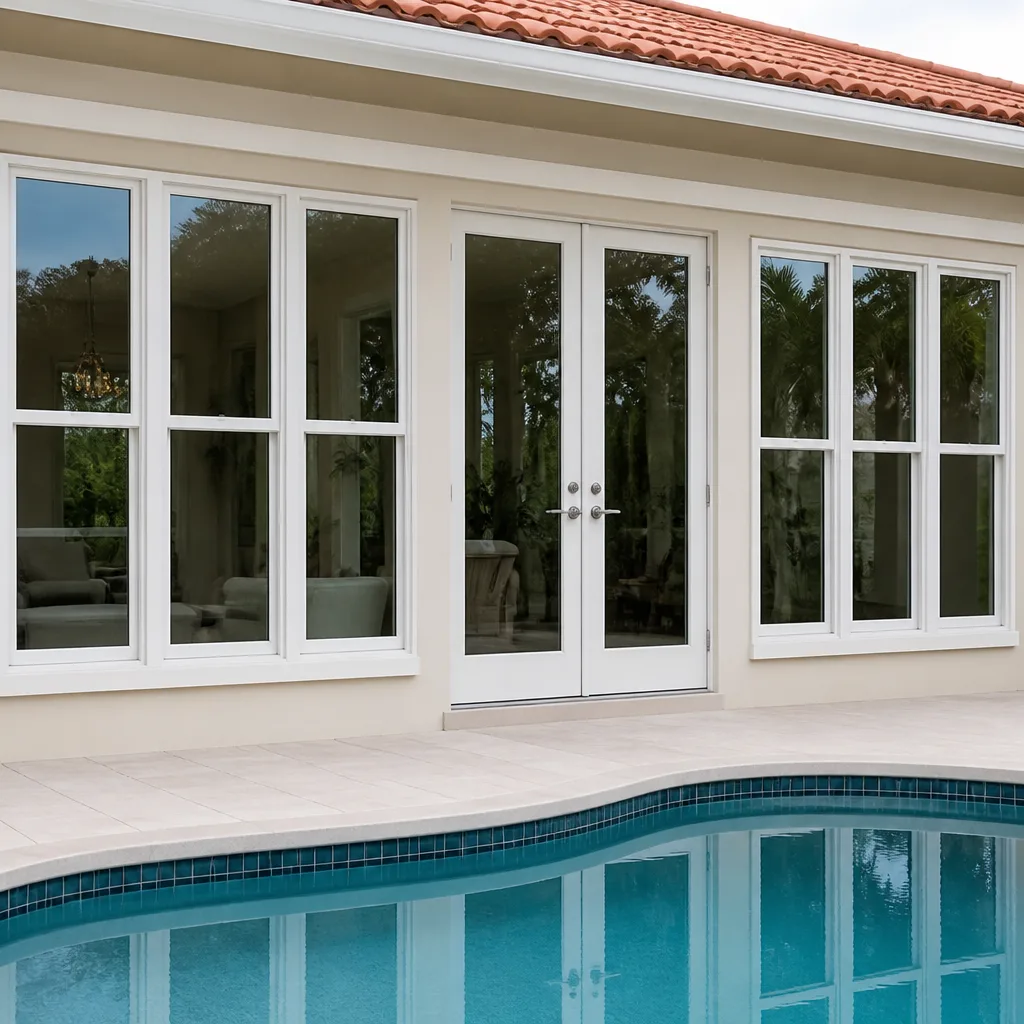 After
AfterCWS Window Installation: The Sarasota Owner’s Guide
CWS window installation in Sarasota typically runs $185 to $420 per opening for a full reset and reseal when the original install has failed, and we stock the fasteners, shims, flashing, and sealants on the truck to handle most CWS units same-day. What usually brings a homeowner to this page is a window that has started moving in its rough opening, a steady draft along the frame, or water staining on the drywall after a hard coastal rain. In our experience, the failure is rarely the window itself. It’s almost always the install: a unit that was undershimmed, overcaulked to hide a gap, or set without proper flashing against Sarasota’s particular combination of humidity, salt air, and afternoon downpours.
Where CWS units differ from the big Florida impact lines is the sealant chemistry they specify and the frame depth tolerance. They run a narrower reveal than PGT or CGI, which means a sloppy installer has less margin to hide a mistake. That’s the first thing we check when a homeowner says the window “never felt right.”
Which CWS Models This Applies To
CWS has produced several residential lines over the years, and we see three in Sarasota most often: the CWS 4000 single-hung, the CWS 7000 casement, and the CWS 9000 horizontal roller, which is common on older lanai-facing walls and mid-century ranch houses out toward Gulf Gate. Each series uses a slightly different frame extrusion profile, so a shim or a backer rod that works on the 4000 won’t seat correctly on the 9000.
If the sticker on the head of the frame is gone, you can still identify the series by measuring the frame depth at the sill: the 4000 sits at 3-1/4 inches, the 7000 and 9000 are both 4-1/2 inches but the 7000 has a visible release tab on the upper hinge. Knowing the series matters because CWS changed its sealant spec between production years, and using the wrong product voids the install warranty. We carry the OEM-grade equivalent for each generation, and for older units where the original sealant is no longer made, we’ll tell you that before we touch the window, not after.
One compatibility gotcha worth knowing: CWS frames from 2008 to 2014 used a square-corner gasket seat, and the current stock is radiused. That sounds small, but it means the corner seals from a new kit will not lay flat in an older frame. We keep both on every truck.
We are an independent Sarasota installer, not affiliated with CWS. Our people know the product line because we have been resetting and replacing them for years, not because we answer to a manufacturer’s territory map.
Signs Your CWS Window Installation Is Failing
- Drafts that move the curtains on calm days. The original installer shimmed the frame too loosely around the perimeter and the unit has settled out of square. The glass itself is usually fine; the reveal gap is not. This is the most common CWS issue we see in homes built before 2000.
- Water staining on the interior drywall under the window, especially on the south and west walls. That means the sill pan flashing was skipped or flashed flat instead of sloped. In Sarasota, a summer storm can drive rain sideways for an hour; the water needs somewhere to go that isn’t your wall cavity.
- A sash that binds in July but opens fine in January. Vinyl and aluminum move through Florida’s humidity swing, but a properly set CWS frame allows for that expansion. A binding sash means the rough opening clearance wasn’t left between the frame and the buck.
- Condensation between the panes that never clears. The seal on the insulated glass unit has failed, which happens faster in coastal air if the frame isn’t allowed to drain. This is a glass replacement, but we will not put new glass into a frame that isn’t set right; you’d be paying twice.
- You can slide a business card behind the exterior trim at the corners. The original caulk line has separated from the stucco or siding. This is the start of every full install failure, and it is the cheapest moment in the life of a window to fix. We’d rather reset the perimeter now than tear out the wall in three years, and our pricing reflects that: $50 off any repair over $250.
Replacement Cost & What’s Included
For a standard CWS 4000 or 9000 in Sarasota, a full removal, opening inspection, flashing correction, and reset runs $185 to $320 when the frame is still sound. If the rough opening has rot or the king studs have wetted from years of a bad install, you’re in the $350 to $420 range by the time we sister framing, replace the sill pan, and reflash. A full-unit replacement with glass runs higher and depends on the CWS series and glass package; we quote that line by line on paper before any work starts.
Included in our price: removal and disposal of the old unit if it’s being replaced, a frame-depth measurement to confirm series compatibility, new shims, backer rod, sealant matched to CWS’s spec, inside and outside trim reset, and a written registration of the work. We don’t bury disposal fees or a “shop supply” surcharge. The price on the estimate is the price on the bill, and we stand behind the install with the 90-Day Done Right Promise. If something isn’t right, we make it right. No fine print, no arguing.
DIY or Call Us?
Here’s the honest split. You can and should check the easy things yourself: run a dollar bill along the weatherstripping to feel for weak compression, look for daylight at the corners with the lights off, and run your hand along the interior drywall after a storm to feel for dampness. That information helps us diagnose before we even load the truck.
What we don’t recommend is loosening or resetting the frame yourself. If the window is an impact unit, that frame is also holding the laminated glass package, and a window that shifts during a storm because the install was done wrong at 2 a.m. is a liability nobody wants to explain to their insurance carrier. The sealant chemistry on CWS units is also specific, and the wrong caulk will peel off the vinyl within a season. If you’ve got a draft, a stain, or a window that’s just not square, call (941) 214-2069. We’ll tell you whether it needs a reset or a full replacement, and the estimate is free.
FAQs
A properly set CWS window should stay square and sealed for 20 to 30 years in Sarasota’s climate, though the sealant at the exterior trim line typically needs rework every 10 to 15 years because of UV and salt exposure. The install itself, if done with the right flashing and drainage plane, should outlast the original paint on the house. If yours is failing in year six or eight, the problem is the install, not the window. Call (941) 214-2069 and we’ll confirm what’s actually going on.
In most cases the install can be repaired without replacing the window; we remove the trim, reset the shims and flashing, and reseal the perimeter with the correct product for the CWS series. If the frame itself is bowed from being shimmed wrong for years or the opening has rot, replacement is sometimes cheaper than the repair. We’ll tell you which one you’re looking at before you spend a dollar.
A standard single-window reset on a CWS unit in Sarasota takes two to three hours from setup to cleanup, including removing and reinstalling both interior and exterior trim. Most jobs are done in a single visit. If we find rot or framing damage, that may add a second visit, but we’ll tell you before we start, not after we’ve opened the wall.
Yes, our Sarasota trucks carry CWS-compatible gasket seats for the square-corner and radius-corner frame generations, series-matched sealants, shims, flashing, and backer rod. For seal-failed glass replacements we order the IG unit to spec, and we also stock parts for PGT, CGI, and ES Windows where homeowners have mixed-brand homes. If you’re not sure which series you have, call (941) 214-2069 and we’ll help you identify it over the phone.
Written by Dale Kessler, Owner, TruePane Windows & Doors at TruePane Windows & Doors, serving Sarasota and nearby areas.
Six Reasons Homeowners Choose TruePane Windows & Doors
Impact systems engineered to design pressures up to +/-100, matched to your wind zone - your openings hold when the storm arrives.
Low-E insulated impact glass from our manufacturer lines commonly cuts monthly cooling bills 20-30%.
Laminated impact glass shuts out up to 40% of outside noise - traffic, neighbors, weather.
Monitoring services run $30-90 a month. Laminated impact glass resists forced entry around the clock, with no subscription.
Florida homeowners average around 25% savings on the windstorm portion of their policy after protecting every opening - some homes qualify for more.
A full impact package upgrades curb appeal, buyer confidence and appraised value in one project.